My first podcast of 2026 is out! In this episode Richard Moon, a lifelong martial artist and performer, shares his journey from playing in a jug band and performing with bands like the Grateful Dead to becoming deeply involved in yoga and eventually Aikido, which he encountered by accident and learned as a “way of life more than a way of fighting.”
Richard Moon describes developing a “very freestyle, jazz-oriented approach” to Aikido, which eventually led to corporate coaching with Chris Thorsen and international peace building initiatives with Louise Diamond and a $30 million project in Bosnia funded by Dan Whalen. Richard Moon emphasized the importance of centering, intentional transformation, and harmonizing with the universal movement through practices like the “universal breath” and the “drop back, sink open” technique, concluding with O Sensei’s teaching that “Aikido is the realization of love.”
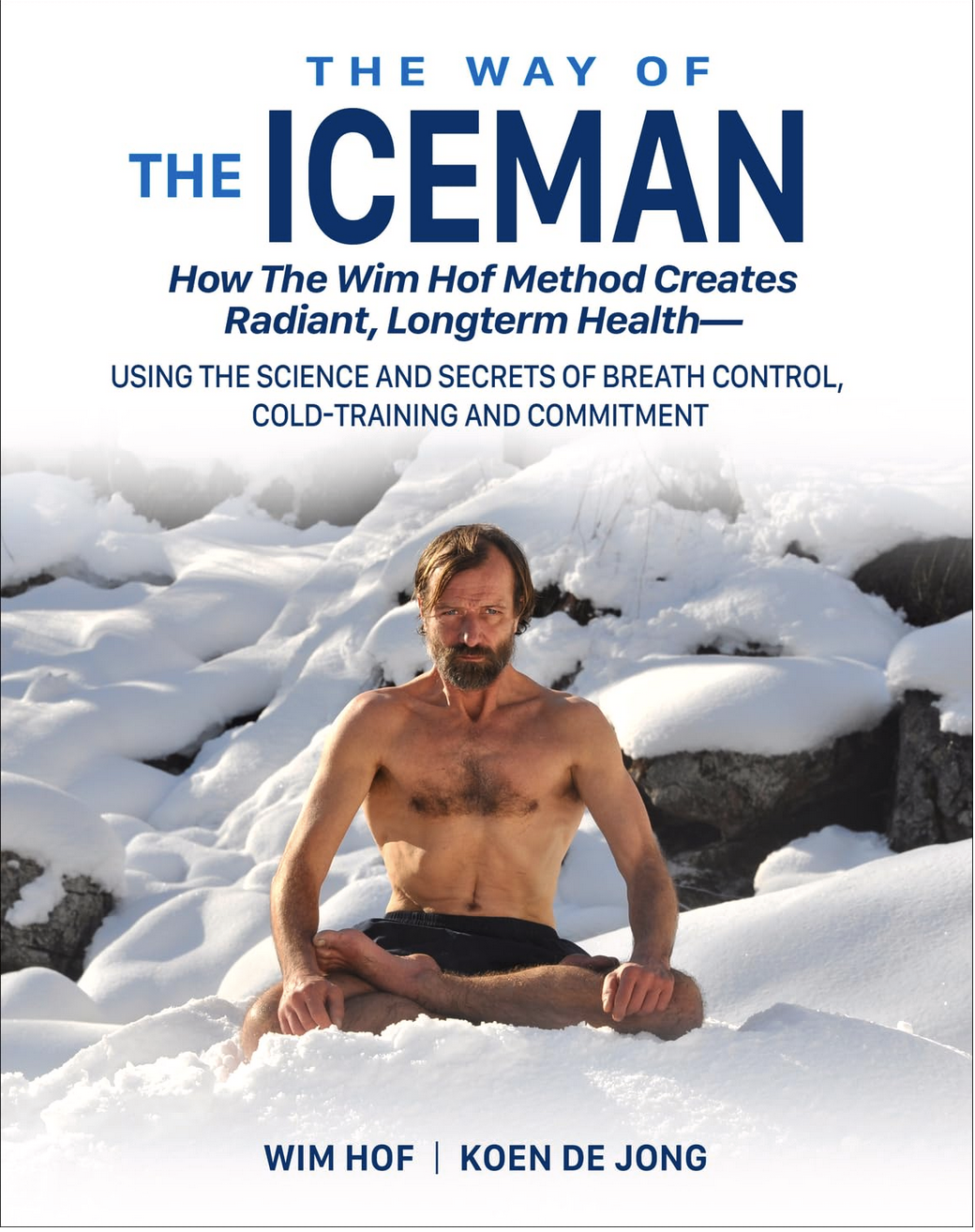
I’ve never been interested in Hoff’s breathing methods myself, I felt they weren’t going down the same track as the Qigong and Chinese Martial Arts I practiced, so I never tried them. But really, I’m just not a fan of: 1) cold and 2) holding my breath, so it never appealed to me.
And it turns out it’s a really dangerous thing to do in water. People have died doing it.
Carney’s description reads:
“He was once the most popular breathwork instructor in the world. He galvanized the ice bathing movement. But all good things come to an end. And Wim Hof’s end has been a long time coming.
As you age your hips definitely get less flexible. If you do BJJ as well, like I do, then the wear and tear seems to add up exponentially, which is why I’m always interested in mobility routines for the lower back and hips, and I think I’ve found one I really like.
“The main goal here is to get comfortable with “uncomfortable” positions by re-searching them on a daily basis. Ideally first thing in the morning, or as a warm up to your practice. Note: A mobility sequence will not necessarily improve your mobility permanently, but is mostly useful for opening up your normal range of motion by releasing unnecessary tension. For more specific mobility issues, you need more specific and targeted practice”.
A lot of these movements remind me of Yoga for BJJ by Sebastian Brioche, which is no bad thing. I like the way the set it put together, and it makes my hips feel great afterwards. It seems to target all the right areas for me. I could see myself running through this each morning.
Have a go (N.B. consult your doctor first, you do so at your own risk, etc) and let me know how you get on!
Thank you for supporting The Tai Chi Notebook. If you are reading this on a website that isn’t thetaichinotebook.com, then it’s highly likely it’s been stolen. Please let me know so I can issue their webhost a DMCA takedown notice for copyright breach. Thanks.
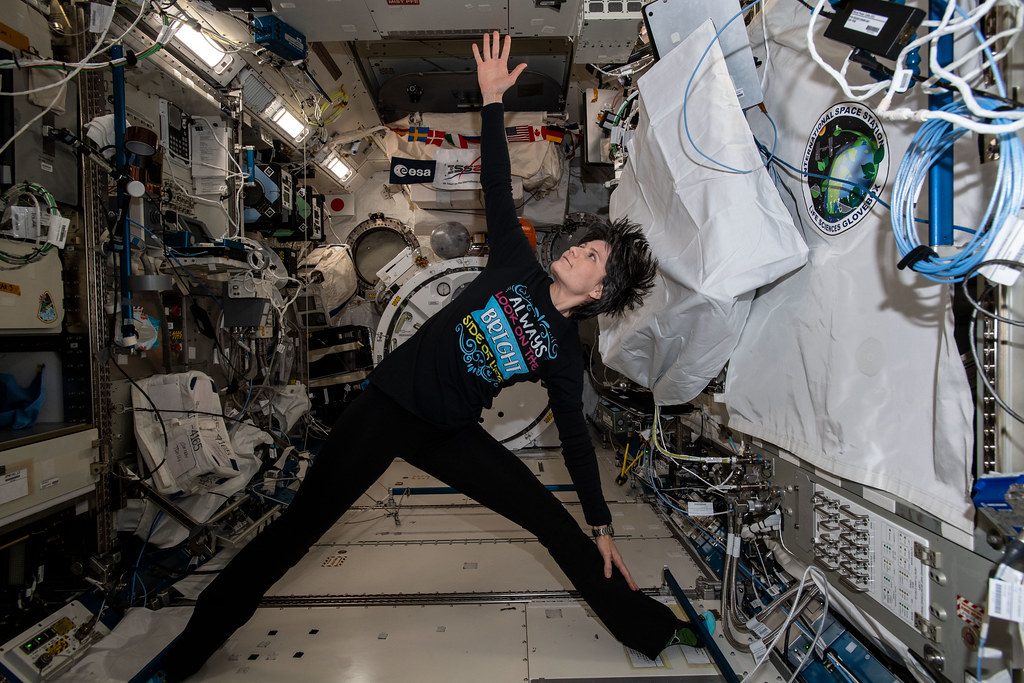
I really enjoyed the latest Martial Arts Studies podcast by Paul Bowman on Portable practices – Yoga and Tai Chi. (That’s not Paul Bowman in the picture, but I thought it illustrated the point nicely – Yoga is so portable, you can do it in space!
A usual for the Martial Arts Studies crew, the talk is about a lot more than just one idea, particularly interesting here for me was the nature of something being authentic. So many times now you see the labels “authentic”, “orthodox” and “traditional” added on to Taijiquan, and I think it’s always wise to be wary of these things. The reality is that what we think of as “traditional” are often modern recreations or what people thought people where doing a hundred years ago, but have been vastly influenced by modern practices.
If you’ve been doing Tai Chi, meditation or yoga for any length of time you’ll have heard the old adage to ‘put your tongue behind the two front teeth‘. The explanation given for this is usually that it “connects the two meridians that go up the back and down the front of the body called the Ren and Du meridians, creating the micro-cosmic orbit”.
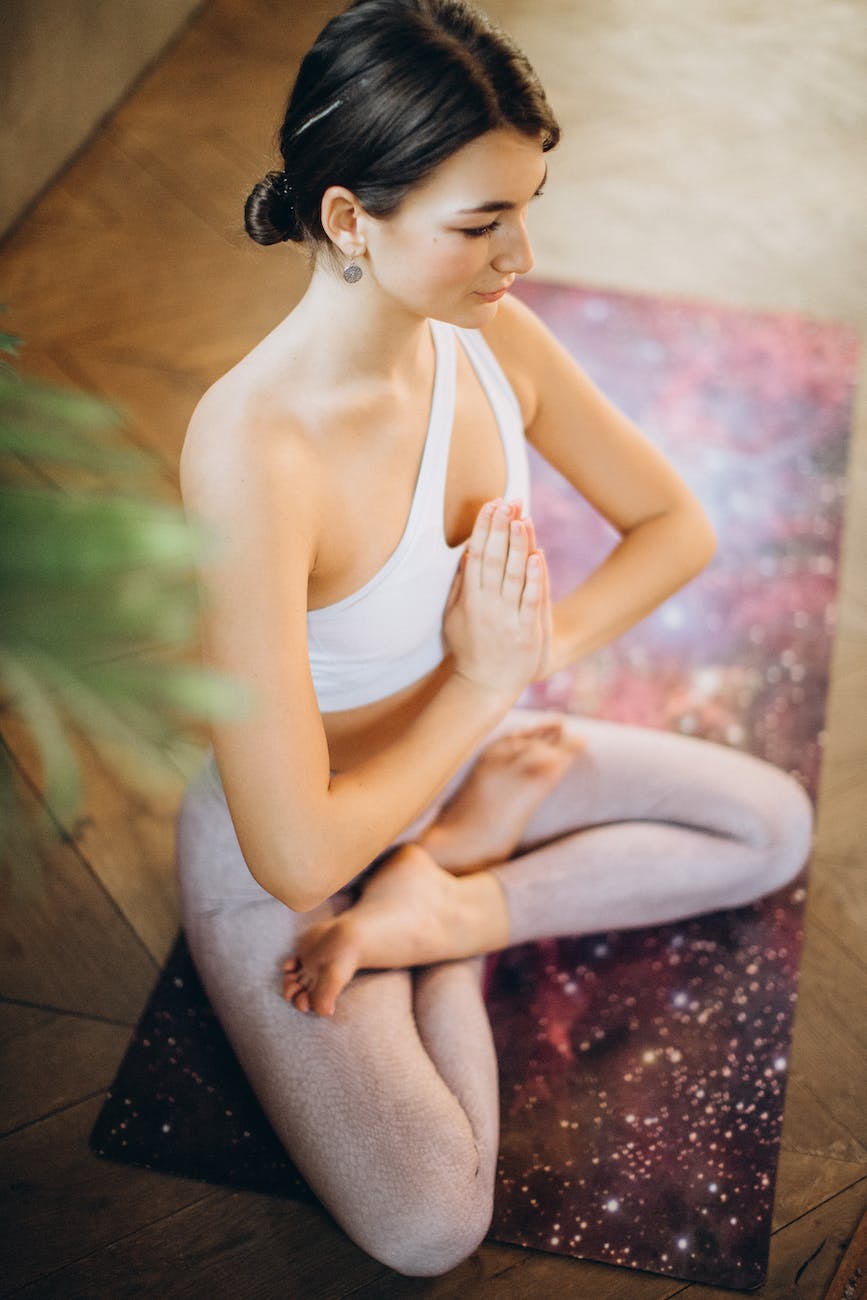
Micro cosmic orbit connected… man. Photo by Elina Fairytale on Pexels.com
Personally, I have my doubts about the whole idea of ‘energy’ or Qi ‘flowing’ around the body. I often think it’s really an ancient aberration of the simple idea of forces moving inside the body. In Chinese martial arts there’s a phrase you often hear – rise, drill, overturn, fall, which matches this circuit in the body with a martial technique. The best example of which is Pi Quan from Xing Yi, during which forces in the body (jin) rise up and then come crashing down into a strike.
Strength and balance
However, it’s not just Chinese medicine that recommends this tongue position. I’ve recently discovered that there are a lot of Western sources advocating the same tongue position. For example, Colgate toothpaste has an article about correct tongue position on its website that recommends the exact same thing – the tongue resting on the upper palette behind the two front teeth. The article links to a study in Radiology and Oncology called “Three-dimensional Ultrasound Evaluation of Tongue Posture and Its Impact on Articulation Disorders in Preschool Children with Anterior Open Bite“, which notes that “children with poor tongue posture were reported to have a higher incidence of anterior open bite, a type of malocclusion where the front teeth don’t touch when the mouth is shut. This may be because the tongue puts pressure on the teeth which can shift their position over time.” (Colgate).
In this article from Healthline, Dr. Ron Baise, dentist of 92 Dental in London explains “Your tongue should be touching the roof of your mouth when resting… It should not be touching the bottom of your mouth. The front tip of your tongue should be about half an inch higher than your front teeth.“
While dentists may be aware of the benefits of good tongue position for your teeth and preventing problems with your speech, or mouth breathing from occurring, some exercise enthusiasts are going further and claiming that proper tongue position actually increases your strength and balance, something that is undoubtedly important for martial arts, like Xing Yi.
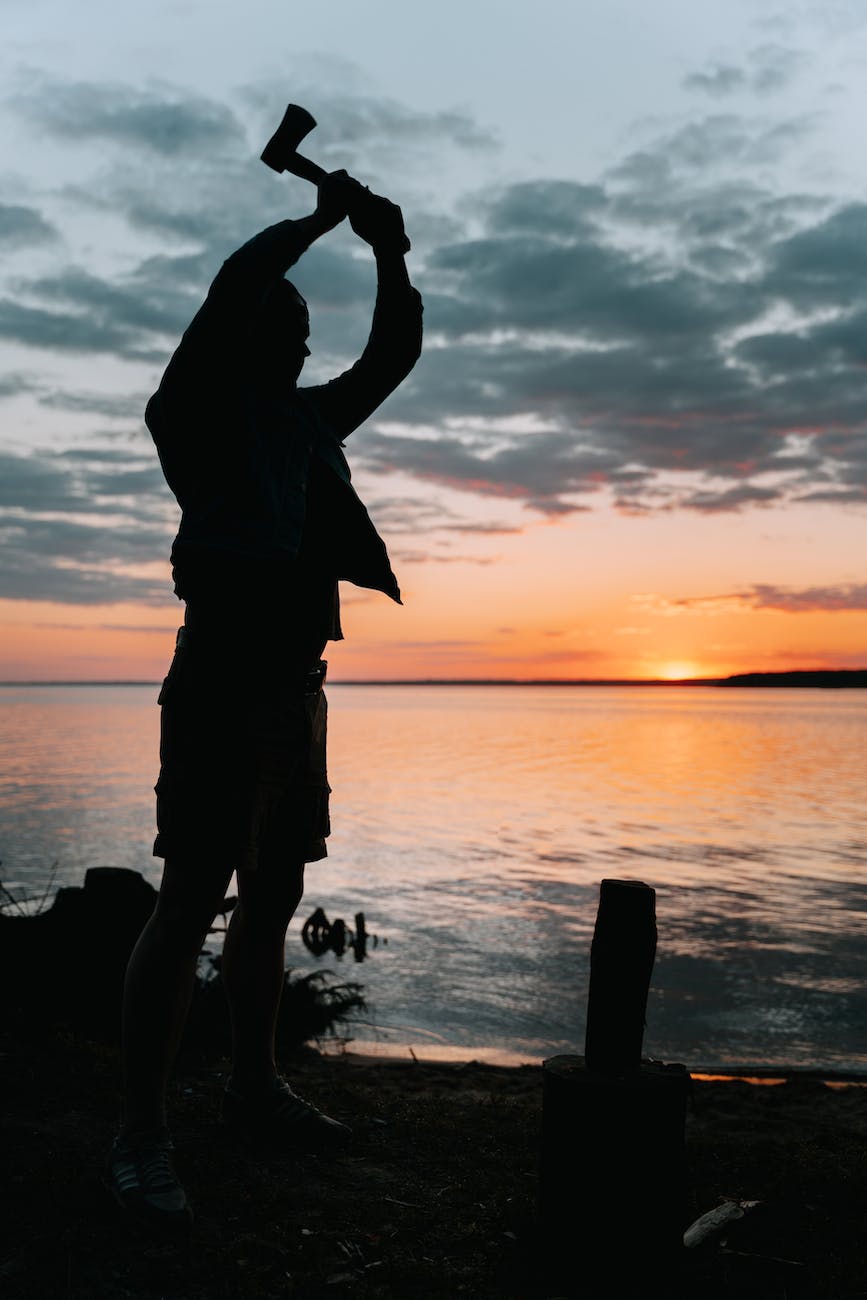
Pi Quan is said to be like the swinging of an axe. (Photo by Ivan Samkov on Pexels.com)
Now, I’m as aware as the next Tai Chi blogger that cherry picking studies that confirm your beliefs (and presumably ignoring everything that doesn’t) is a bit of a red flag. However, the idea that your tongue position effects strength and balance makes more sense to me than imaginary energy channels (Du/Ren) that may, or may not, exist in real life.
Apparently, good tongue placement can give you superpowers!
I remain slightly skeptical about the whole issue, however, my tongue does naturally rest behind my two front teeth on the upper pallet of my mouth… I can feel it there now as I write this. Was it always there? Or have I turned this into my natural position thanks to starting Tai Chi in my 20s?… I don’t know. All I can say is that it feels comfortable, and if my Ren and Du channels are connecting because of it, and my strength and vision is better because of it then…. so much the better.
“What did it mean that many of the poses I was teaching were identical to those developed by a Scandinavian gymnastics teacher less than a century ago? This gymnast had not been to India and had never received any teaching in asana. And yet his system, with its five-count format, its abdominal “locks,” and its dynamic jumps in and out of those oh-so-familiar postures, looked uncannily like the vinyasa yoga system I knew so well.” –
Mark Singleton, Yoga Body: The Origins of Modern Posture Practice
I really love discovering these odd curiosities of 19th and early 20th century European gymnastic or martial arts that look incredibly like what we practice in the Asian martial arts styles, Qigong or Yoga. The link between 19th century French Savate (kickboxing) and the Japanese version of Karate is another fascinating connection that I’ve looked at before.
Recently I watched another video about 19th century Swedish Free Gymnastics:
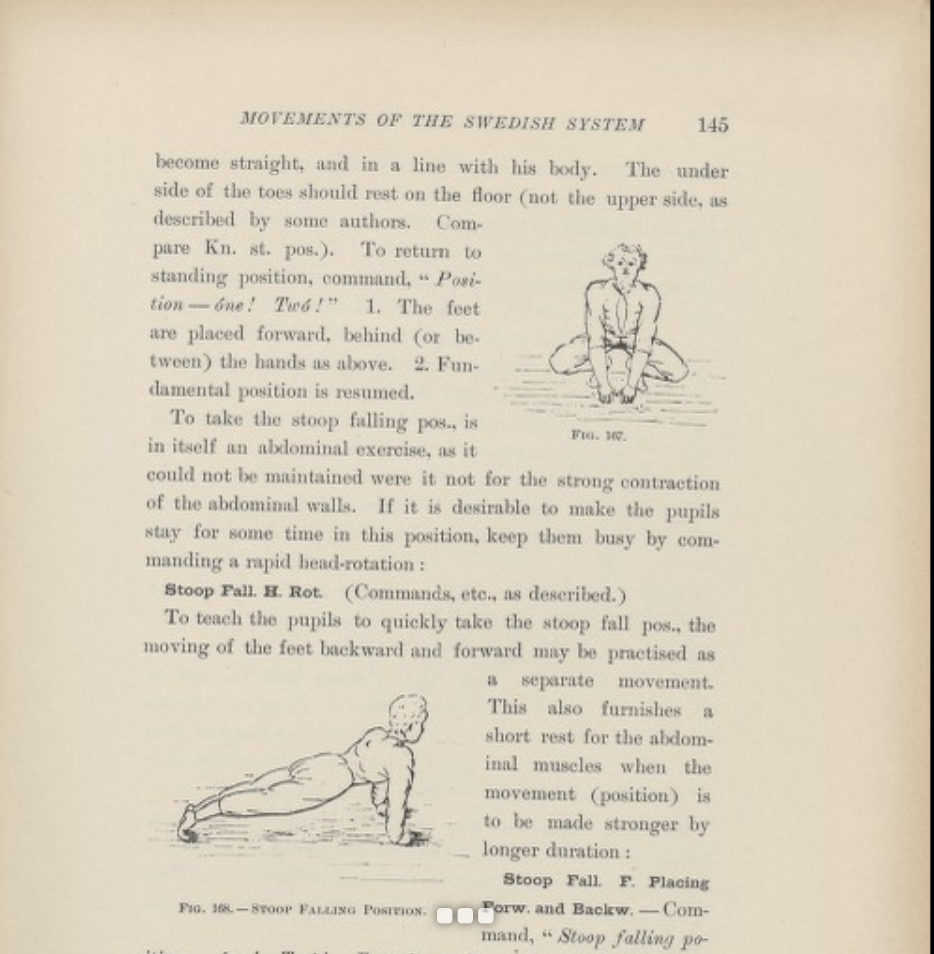
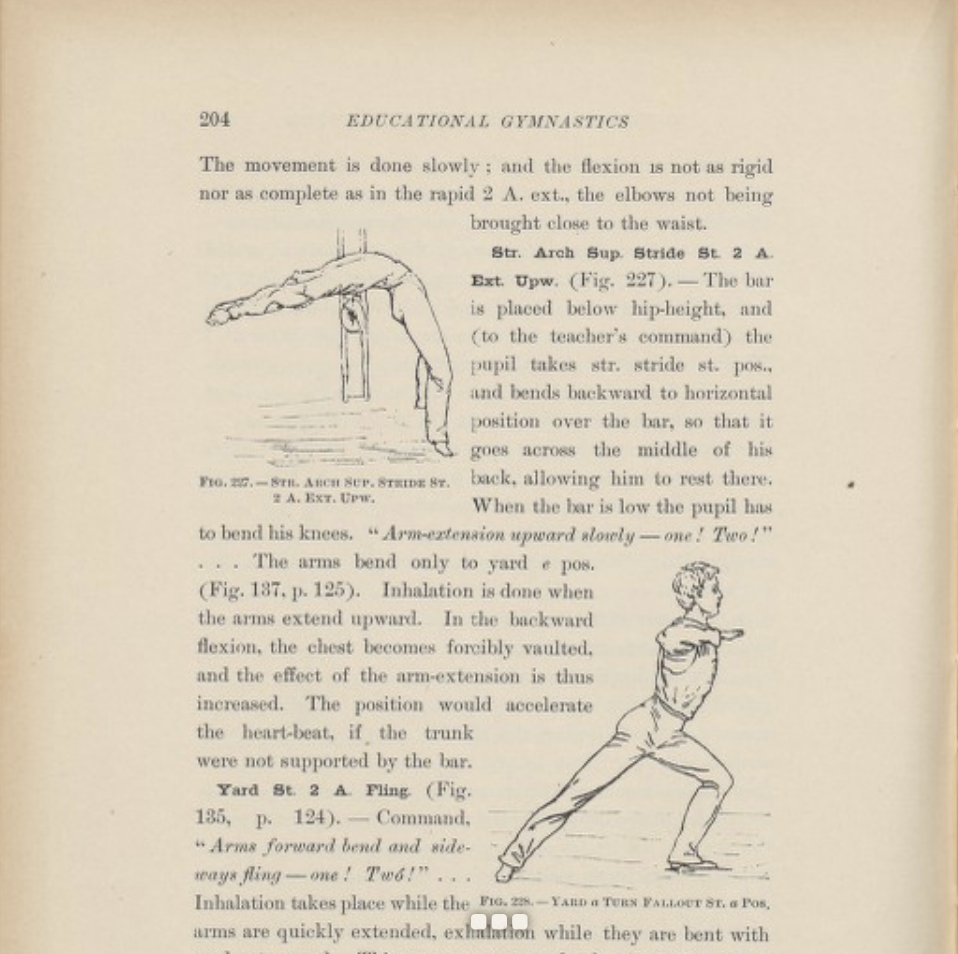
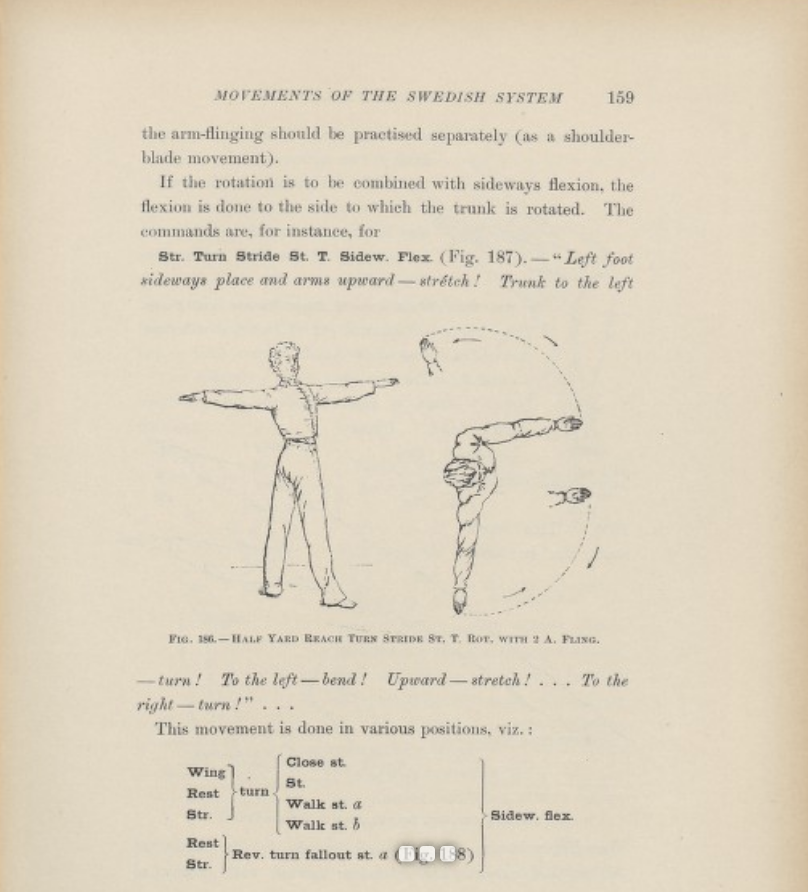
Swedish Free Gymnastics has long since declined, but was pretty popular in the 19th century. There are some great archive pictures and video of the movements in that video above, and they look incredibly like what we know in China as Qigong – the idea of slow, smooth, elegant movement with force balanced around the body. In fact, some of the positions look exactly like Qigong movements I’ve been taught and practiced myself.
“The Swedish system of gymnastics is distinguished from other methods in the fact that a special apparatus is not absolutely needed for its exercises. If any argument were necessary to prove the hygienic and intellectual benefits of physical exercise, in these days of varied athletics, a scrutiny of the handbook now under notice would excite due enthusiasm. The whole range of gymnastic performance, from the simplest to the most complex exercises, is herein put before the reader with explicit directions for practice, and with a gratifying abundance of illustrations. The fact that the English language has hitherto had no comprehensive manual on the Swedish system is the occasion of the publication ; the official service of Baron Posse confirms his fitness for the authorship of this book of rules; while in mechanical arrangement nothing seems to have been omitted that would induce fondness for gymnastic practice.”
Posse, Nils. The Swedish system of educational gymnastics. B
Pages from Posse, Nils. The Swedish system of educational gymnastics. Boston : Lee and Shepard, c1890.
As the video says, the similarities have lead some people to wonder if Tai Chi Chuan (Taijiquan) was actually the inspiration for these movements. There was, after all, a political connection between China and colonialist Europe powers in the 19th century, that culminating in the Opium Wars.
The author of the video sensibly disagrees with the connection to Tai Chi Chuan, and so do I. For a start, I think these movements from Sweden are likely older than Tai Chi Chuan, The general assumption amongst people is that Tai Chi Chuan must be really, really old, yet there’s no evidence of its existence before Yang LuChan arrived in Beijing in the 1860s.
But leaving the Tai Chi Chuan question aside, the movements of Swedish Free Gymnastics look more like Qigong than Tai Chi Chuan anyway, but there are records of Chinese health movements (“tao yin”) stretching back thousands of years in China, so I don’t think we can claim a European origin for Qigong. Some sets like the Muscle tendon change set are really famous.
However, I wouldn’t discount the role of influence. The Europeans arriving in China in the 19th century in large numbers and with superior military force resulted in huge changes. As China began to experience defeat at the hands of the European powers, it turned it attention to modernising and adopting these new methods or warfare, economics and exercise. We talked a lot about this in our podcast episodes on the history of Tai Chi Chuan.
As China looked to the West new ideas of commerce, military methods and politics were considered for the first time. I wouldn’t be surprised if some element of the gymnastics of the time slipped in as well, as it did in India, with Yoga.
“What did it mean that many of the poses I was teaching were identical to those developed by a Scandinavian gymnastics teacher less than a century ago? “
I’m sharing this article again because I really like it. I like the moments where your perspective of the world is turned upside down. When your perspective suddenly shifts and what you thought was permanent is shown to be on the same shifting sands as everything else.
These moments seem to be happening on a daily basis with the political turmoil in the UK at the moment. Democracy lurches left and right. The once unthinkable becomes thinkable, normal, everyday reality.
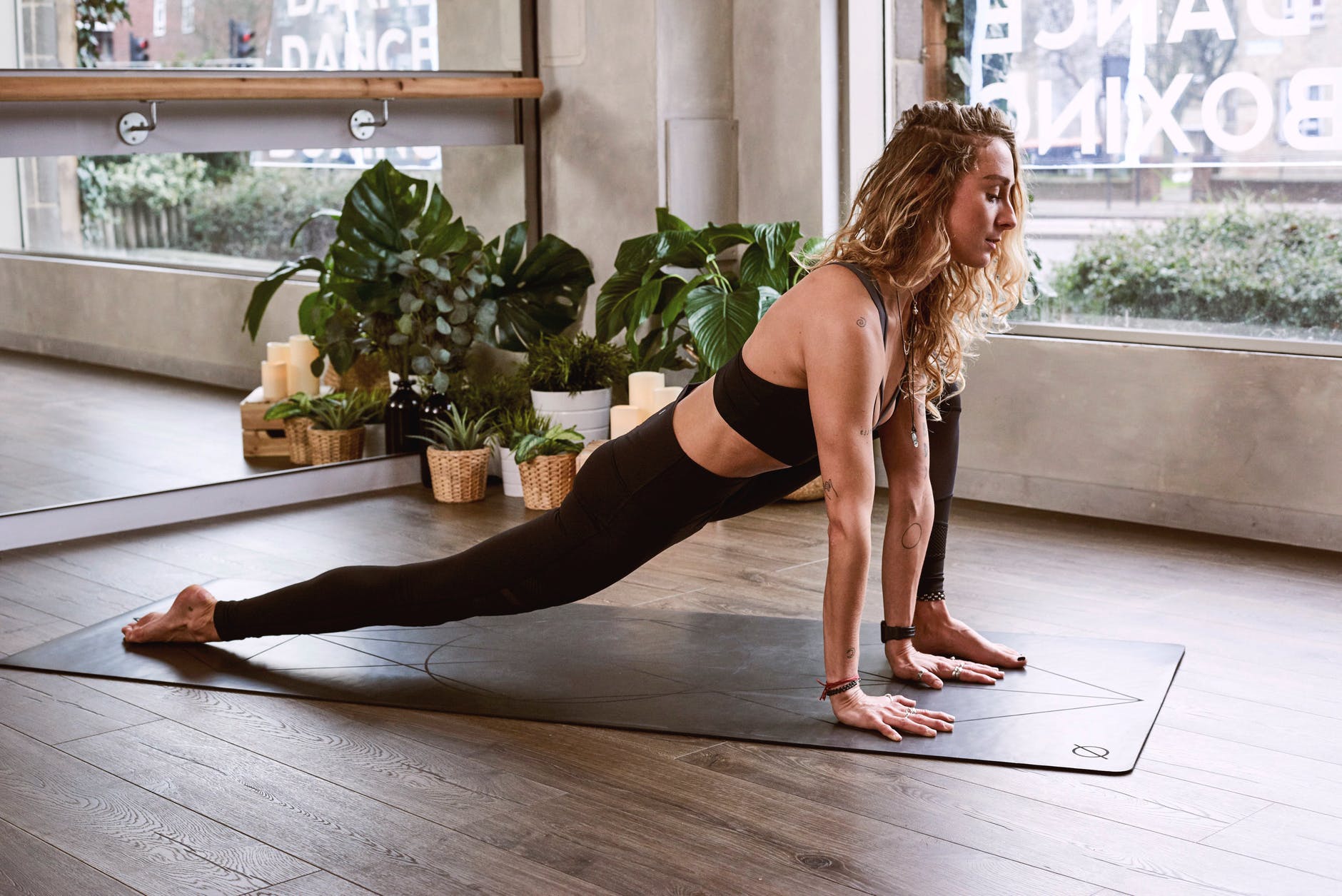
But the thing is, we invented Yoga. Not the ancient Hindu practice. The modern-day Yoga of tight pants and sweaty mats. The Yoga you see practiced in classes all over the country on wooden floors in rooms with steamy windows. It is Western culture given an Eastern polish and exported back to us to pander to our fetish for spirituality.

 The Tai Chi Notebook