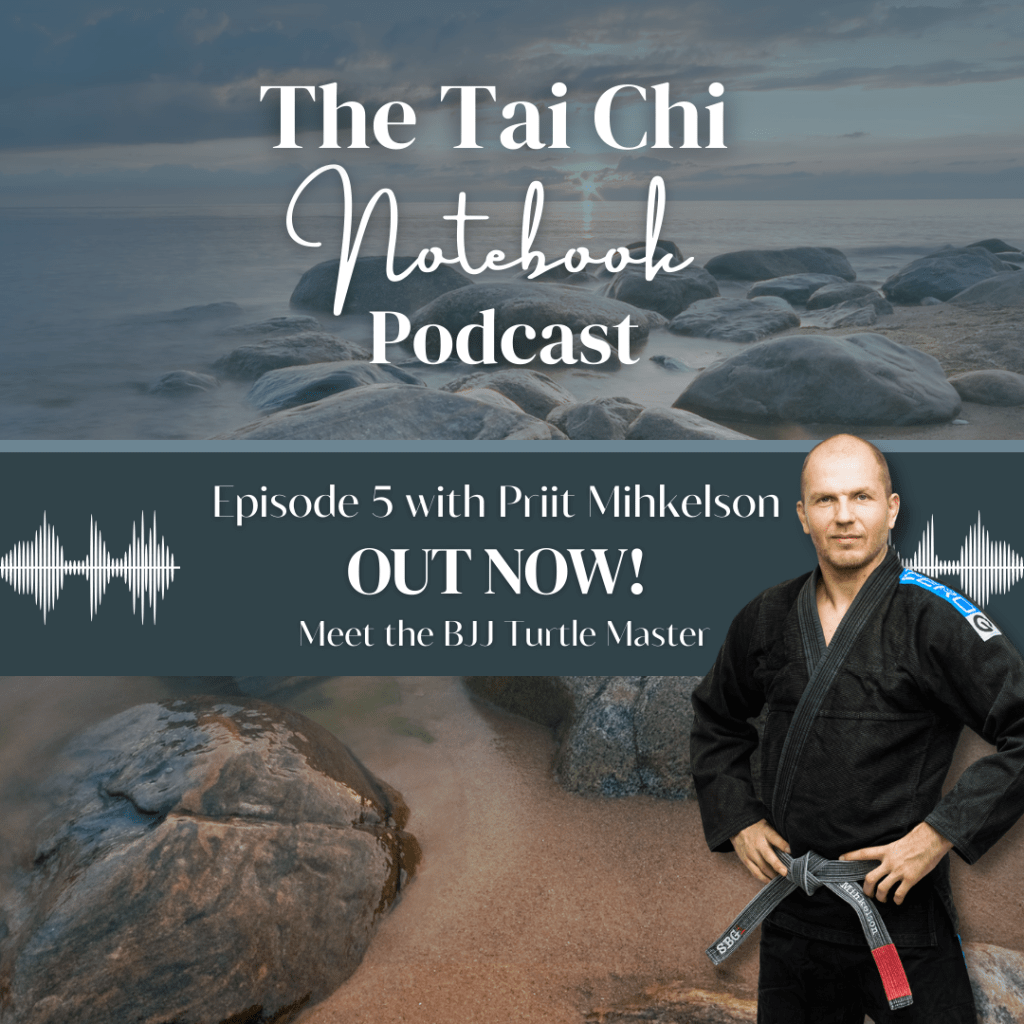
My guest in this episode is my first from the world of Brazilian Jiujitsu. He’s Estonian Jiujitsu coach Priit Mihkelson.
For over 15 years now Priit has been pioneering an innovative, logical and defensive style of jiujitsu that has been taking the BJJ world by storm.
He’s just back from running a training camp held in a castle in Italy and his seminars are sold out until mid June next year, so it was great to grab some of his precious time and catch up with him before he jetted off for his next training camp.
In this podcast we talk about defensive BJJ, training methods and technical innovations.
Click the link above, or you’ll find it on iTunes, Spotify, or wherever you get your podcasts. Search for The Tai Chi Notebook.
Paul Bowman is a professor of cultural studies at Cardiff University. He’s the author of multiple books on martial arts, including several about Bruce Lee, and most recently, “The invention of martial arts: popular culture between Asia and America”, which was published by Oxford University press in 2020.
Paul also helped establish the academic journal Marital Arts Studies, and organised conferences for the Martial Arts Studies Research Network.
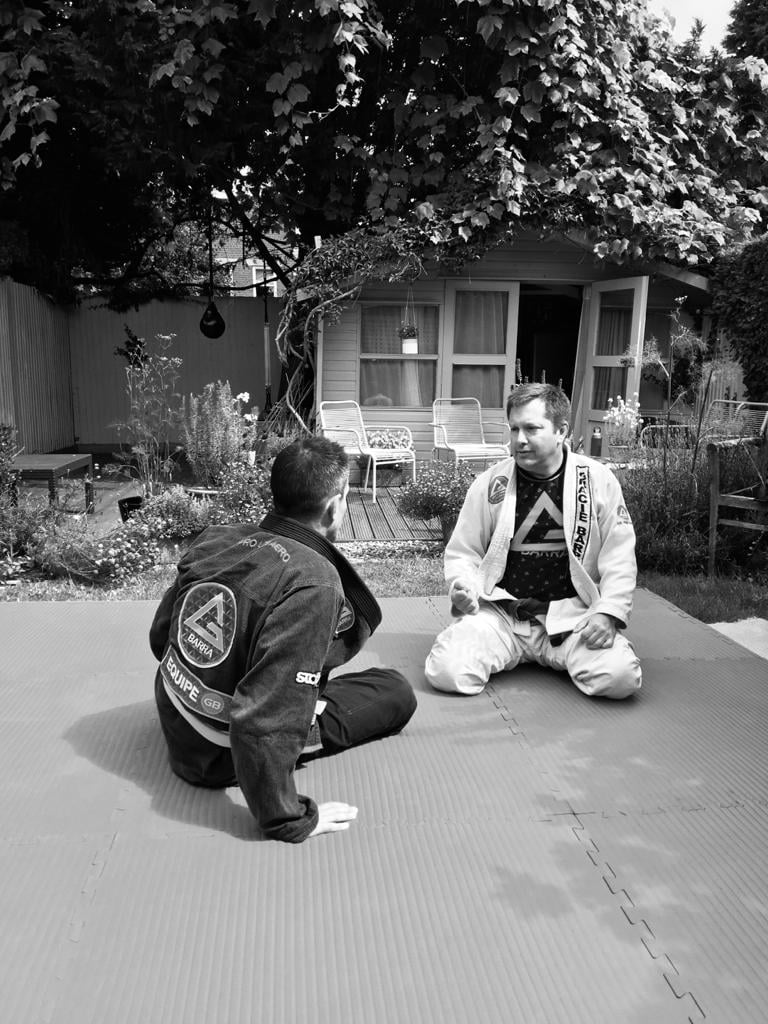
In this chat we reminisce about our times training together, talk about paul’s recent discovery of Brazilian jiujutsu and discuss the emergent field of martial arts studies.
In the last episode of the Heretics podcast we talked about Chinese wrestling – Shuai Jiao – but Damon also mentioned Manchu wrestling quite a bit. He described it, but you can’t get a proper idea of how it works without seeing it done, so let’s look a little closer.
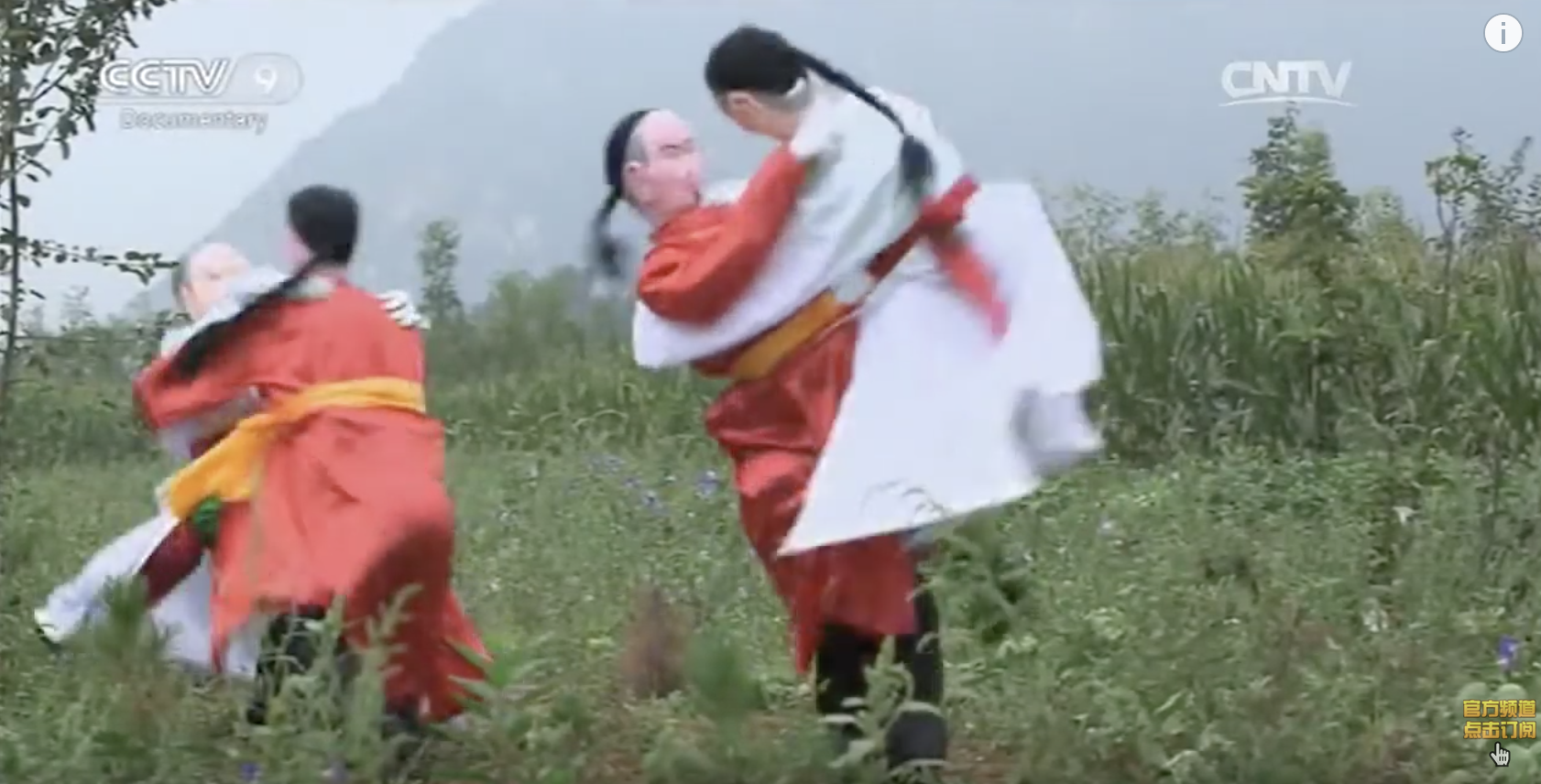
Manchu wrestling is a unique form of puppetry popular in certain parts of China where the participant wears a life-sized puppet of two wrestlers in a costume that turns ther legs and arms into both the puppet’s legs. Various wrestling maneuvers are then performed. The skill is to make it look like the two puppets are really wrestling and pulling off moves on each other.
To a western martial artist interested in only “learning how to defend myself” this might all look a bit silly, but if you watch this documentary you’ll see that there’s quite a lot to it:
There are so many things here worthy of note.
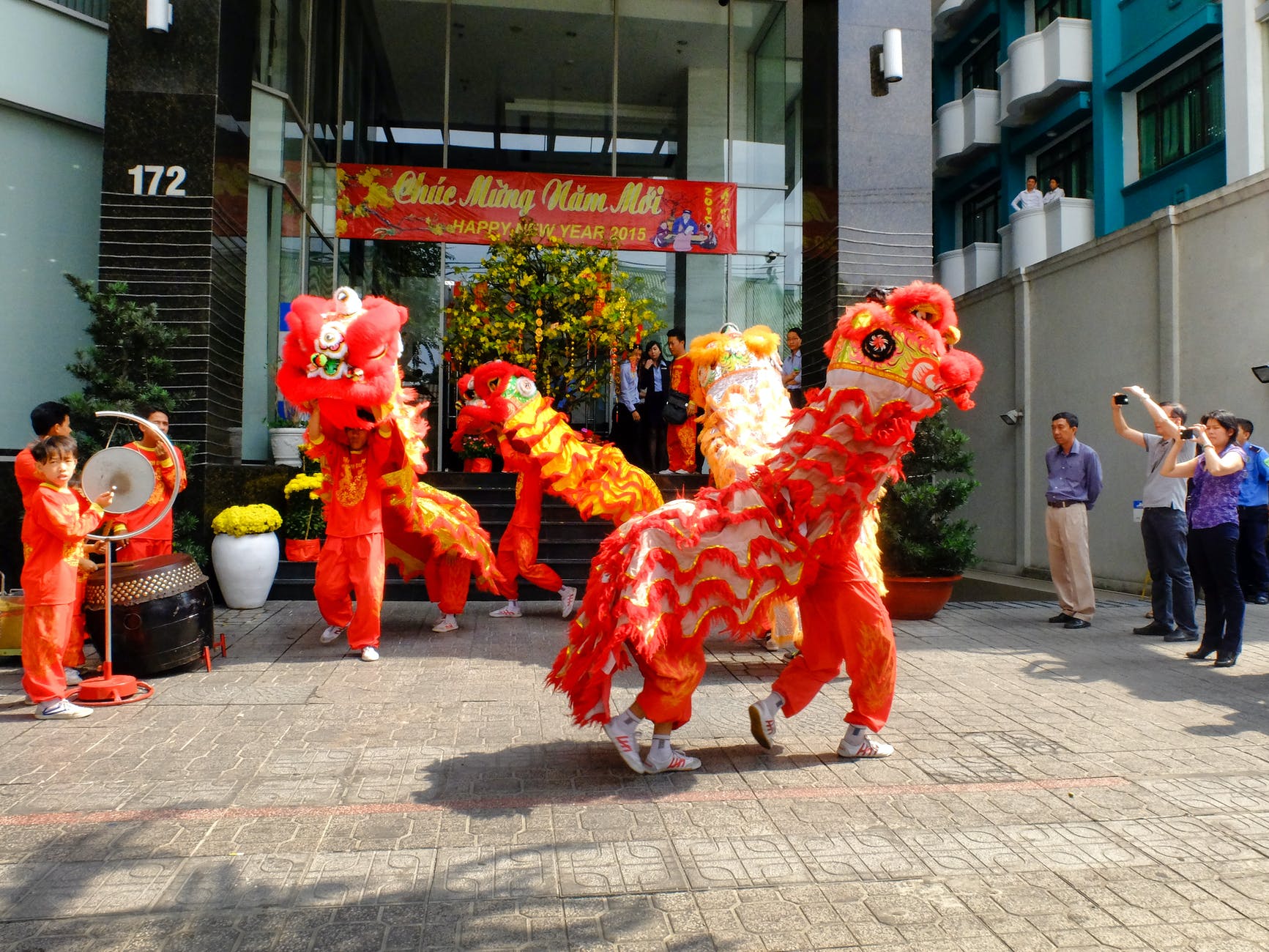
Firstly, the connection between puppetry and Chinese martial art is ripe for research – I’m thinking of the other famous puppet show that martial artists are known for – Lion and Dragon dancing. These cultural and religious practices are still done by martial arts groups at demonstrations and festivals.
Everybody in the Manchu wrestling documentary calls it “wrestling” even though it’s a solo drill. They don’t call it a dance or puppetry. To them this is “wrestling”, but we’d never call it that in Britain, for example – I find that pretty interesting.
It’s a damn good work out. If you’ve ever done any BJJ floor drills where you walk around on your hands and feet you’ll know that it’s instantly exhausting. Manchu wrestling will get you fit! If you don’t believe me then have a go at some of these drills before you tell me I’m wrong:
Manchu wrestling actually looks pretty dangerous – you can easily break a wrist with the high-speed spinning they’re doing, especially if the stick you hold in the shoe breaks.
Mental health benefits: a part of the documentary is focused on the mental health benefits of Manchu wrestling, especially looking at its life-changing benefits for rural Chinese women whose lives seem to be reduced to raising children and farming. I found this interesting in light of how much mental health benefits are talked about in BJJ culture – “BJJ saved my life” is a commonly used phrase amongst gym rats. Perhaps there is something inherently therapeutic about any style of wrestling movements and the human body?
Ryan Hall, a notable BJJ black belt and MMA fighter wrote his Open Letter to the BJJ Community 9 years ago, but it seems that not much has changed since then and it’s taken 9 years for BJJ to reach its #MeToo moment.
It’s a very thought provoking read, especially in light of the recent actions of some individuals in the BJJ community that are being illuminated by some extremely brave people. In recent weeks several high profile names have been connected to cases of sexual abuse or misconduct, in the USA and the UK.
The most recent podcast from the BJJ Mental Models crew, with special guests Emily Kwok & Dominyka Obelenyte addresses this issue directly. It’s worth a listen, especially if you train BJJ.
The UKBJJA has issues the following statement:
With the recent discussions and allegations that have come to light in our community, we wish to reinforce and make clear that the UKBJJA has always held a zero-tolerance policy for any abuse amongst our members.
Victims of any abuse are always welcome to contact us in confidence at report@ukbjja.org where all allegations of abuse will be independently investigated.
All members are reminded of our Code of Conduct and welcome to review this here.
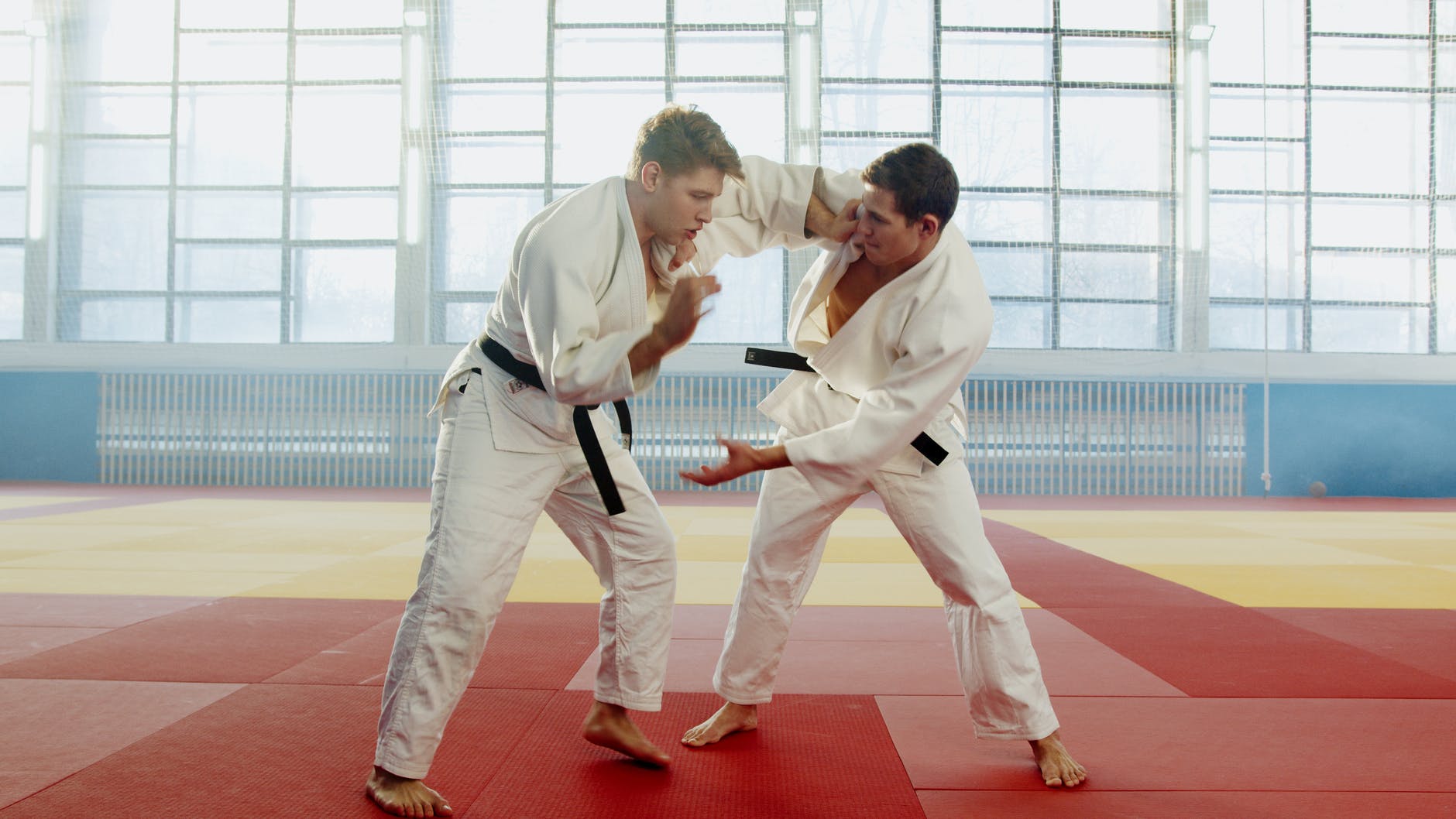
I really enjoyed watching the judo at this year’s Olympics. I thought the technical level on display was simply electrifying, which is why I find it odd that people sometimes refer to judo as dumbed-down jujutsu.
I’m a practitioner of Brazilian jiujitsu (which could be described as an offshoot of judo), and I’ve only ever dabbled in a few classes on Japanese jujutsu, so I’d hardly call myself an expert on it. However, from my experience, and what I’ve seen I’m going to make a bold and possibly controversial statement: Judo is more sophisticated than Japanese Jujutsu.
The question is what do I mean by ‘sophisticated’. I certainly don’t mean that there are a greater number or variety of techniques. There is certainly more content in the old jujutsu systems than there is in judo.
Kano created Judo by removing a lot of content from the Jujutsu systems he started learning in 1877, and changing the emphasis from performing kata and drilling applications to randori – free practice. There is also a big emphasis on competition in Judo. Strikes and weapon defence were originally part of Judo, but only in pre-arranged kata and are not included in competition and over time they have receded into the background. Most Judo clubs these days don’t even include the original kata or self defence techniques and simply train for competition.
Broadly speaking, the content Kano removed were the things that couldn’t be practiced safely in randori – throws that landed the opponent on their head, for example, or the sort of techniques that were designed for the battlefield and therefore irrelevant to civilian life. The change resulted in judo becoming the prominent style of jujutsu in Japan and internationally. The key to judo’s effectiveness was this switch in emphasis to randori. By trying to get the same moves to work over and over on resisting opponents, the technical level of the practitioner naturally rises. If you’re going to hip throw somebody in a setting where they know you’re going to try to hip throw them, then your setups for the technique have to evolve and get better. You cannot simply step in and expect your hip throw to work. You’re going to have to improve your ability to fake, shift weight, take balance and finish the techniques massively. This process produces a much more sophisticated level of technique.
Judo is therefore not “dumbed-down” jujutsu – it’s highly evolved jujitsu. To my eyes at least.
We talked a lot about Kano and the creation of Judo in our Heretics Podcast on the history of Kempo and Jiujitsu in Japan.
Byron Jacobs is a teacher of Xing Yi and Bagua based in Beijing, China. He’s a student of the famous Shifu Di Guoyong and is heavily involved in the martial arts scene in Beijing. As well as training traditional martial arts he’s also a BJJ practitioner and competitor.
In this wide ranging discussion we talk about training Xing Yi, Bagua and Tai Chi and whether Wu Shu will ever get into the Olympics. We also find out what it was like to train martial arts in Beijing during the Corona virus pandemic, and what the Chinese BJJ and MMA scene is like.
There’s a great article on Jiujitsu Style about the late, great, Anthony Bourdain and his love for BJJ, which he took up later in life. Over four years, Bourdain posted on the BJJ Reddit forum, r/bjj, as NooYawkCity 80 times before his death. He wasn’t doing it to promote a book or new TV show. He was just doing it because he loved BJJ, and his writing was real, honest, unflitered and above all, relatable.
Here’s an example:
“58 years old and getting so gassed during warm ups, that when we start to roll, I end up sticking my own head into an obvious guillotine –just to take a break. An utterly humiliating class yesterday, yet showed up for a private today with 250 lbs of muscle and bone so I could get pounded like a chicken fried steak . Why am I doing this? I don’t know. I’m like a dope fiend at this point. If I can’t train I start going into withdrawal. Wander around, twitching, restless and pissed off. At least with dope, you feel GOOD afterwards. After training, I feel like a rented and unloved mule . All the other (much, much younger) white belts all seem to be coming back from long breaks because of injury. Strangely enough, so far so good for me. I may feel like a fragile box of stale breadsticks but I’ve managed to avoid injury (if not discomfort). I have never enjoyed pain. I don’t care if it’s Gisele Bunchen coming at me in thigh boots wielding a riding crop, I’m not interested. Yet I insist on getting squashed on the mats every day and feel bereft if I can’t. This is not normal. When I talk about BJJ , Old friends look at me like I have an arm growing out of my forehead. But I Won’t stop. Can’t stop.” – NooYawkCity, July 9th, 2014
If I had a pound for every time I’ve heard a Chinese martial artist start to explain the history of their style in a way that means, by sheer coincidence, that their particular lineage is the most special and authentic example of all the different branches of their style, then I’d be as rich as a relative of a Conservative MP in 2020 with no previous experience of procuring PPE equipment.
So, what’s going on here? Obviously not every single Chinese martial artist you talk to can have the ultimate lineage of a style, so one of two things is happening here. Either, you’ve just happened to bump into that one guy on the planet who has the best version of this style known to mankind… Or, like most human beings, the person talking lacks the self awareness to see that they are parroting a line they’ve been sold, and that they’re now selling to you. Everybody likes to think that they are doing the real thing, and that means, that all the other people who do their martial art a bit differently to them therefore can’t also be doing the real thing. As a side note, I think the elaborate and fanciful origin stories of most Chinese martial arts serve a similar purpose – to make the students confident that their style is somehow better than the others.
The most recent example of this phenomina I’ve listened to was in an episode of a podcast featuring a Chen style lineage holder talking about why his style is the best. The whole episode is essentially about who has the real Chen style lineage – the Beijing Chen group or the Village Chen group. I don’t do Chen style myself, and don’t really have any desire to either, so I don’t have a dog in the fight, but listening to the long, convoluted reasoning he used to explain exactly why his lineage is better than the others, I do wonder if he’s ever stopped to listen to himself?
Martial arts styles are essentially brands, and everybody involved is selling you their particular brand in one way or another, whether they realise it or not. This is a cynical view to take on martial arts, I agree, but I think it’s also historically accurate. Martial arts styles only appeared in China the age of commercialism when people realised that it was possible to make money teaching them. Before that different styles didn’t necessarily have different names, or names at all. Once you could make money teaching it was necessary to differentiate your particular style from others, otherwise, how would you attract students?
I don’t mean to single out the Chen style guy – he’s not alone by a long stretch – but it seems to me that all Chinese martial artists have some version of the same story they tell themselves about why their lineage is the most special, unique or authentic. Heck, I used to be one of those guys myself!
This is usually the point where my very wise Polish BJJ friend taps me on the shoulder and reminds me with his usual Spartan brevity that the only reason lineage becomes important is because the art has died and nobody is using it to fight with any more.
Again, that sounds a bit harsh, but he could well be right. BJJ is a brand like any other martial arts, and very marketing heavy, but in BJJ circles people don’t tend to care about lineage in the way they do in Chinese martial arts because the art has a healthy competiton culture. Nobody would say things like, “This is not the real Rio De Janeiro style of jiujitsu”. They’d just get laughed out of town for saying that. In BJJ, if you can make a technique work in training, or even better, in competition, then it’s valid. There is no need for any other type of validation. If it works, it works. You are expected to add to it and innovate. I really like that. Sure, there are a few branches of the BJJ tree that venerate the original self-defence orientated teachings of Helio Gracie as if they were written in stone, and refuse to modernise for fear of losing their street effectiveness, but they’re not that big a deal in the great scheme of things. The rest of the BJJ world carefully steps around them so they can carry on living in the 1930s without affecting anybody else. It’s not a big problem.
Lineage is real. It exists. But surely, what matters more is what we can actually do with the art?
My question is always, “does it work?” If it does, I’m interested.
“Sport” is kind of a trigger word for a lot of martial art practitioners, at least some of the ones I’ve met! So telling them they should train their martial art more like a sport usually goes down like a cold bucket of sick, but really I think they should listen.
When here’s the thing: Training your martial art like a ‘martial art’ is often an excuse for not working very hard and not really pressure testing anything you do.
Sport is a sweaty, dificult, thing to do that usually involves doing something pretty athletic (unless you count darts). Sport is also structured. Quite often in a martial art there is no real training methodology. People just turn up, do a few forms, practice a few safe applications against little or no resistance then go home again. The learning process can be a bit random.
I should stress, I don’t really think that there’s anything wrong with that, depending on your motivations for training, which often change as you age. Just feeling good about doing something is certainly reason enough to do it, but I think you should ask yourself, what progress are you really making? And, worse, are you becoming delusional?
Sports, in contrast, tend to be very structured. You train attributes specifically, and you engage in a focussed practice where you can drill to increase your ability in tightly defined things. Sometime those things are measured. You sit down and discuss progress with your coach. You troubleshoot and then you give it a go against somebody who is going to be uncooperative and gives you feedback. That’s real testing against nature – the sort of thing a human shaman would engage in 10,000 years ago.
Martial arts also have strange rules that sports don’t have – we have to call people odd titles like Sifu or Professor. There’s bowing and etiquette that looks strange to people outside the system. I can understand the cultural reasons for a lot of these things, but I often wonder that when these arts are put into a different culture, whether some of these things should be left behind because they’re not helpful and, in fact, can stand in the way of progress. For example, the little quirks like bowing to photos of dead guys or using a 1-2-3 clap system can gradually breed a cult-like quality of obedience that makes us stop questioning things.
I saw a brilliant video of a Muay Thai coach recently. I love the tiny details he’s giving. Muay Thai is an interesting martial art because it’s probably the most traditional martial art remaining on the planet, but it’s also a sport. It is undoubtedly effective and trained at the highest level in popular combat sports. I think there’s something to learn from that.
As I said earlier, I don’t think we need to make all martial arts into competative sports, but I think we can take elements of the sporting approach and apply it to what we’re doing, regardless of the martial art we’re doing.
Finally, the inspiration for this post is the latest brilliant episode of the BJJ Mental Models podcast to featuring Priit Mihkelson, about how to train your martial art like a sport. Give it a listen.
With the explosion on the Internet of videos of MMA fighters knocking out traditional martial artists I think that internal martial arts are feeling (rightly) like they’ve become the undeserved butt of a joke, while at the same time the older generation of teachers is passing away without enough new students to carry on their arts to the same standards. The modern generation don’t want to practice as hard and have other things to be interested in.
Noble institutions like Xing Yi, Baguazhang and Taijiquan, which developed a reputation for being effective, fighty, martial arts during the 1920s and 1930s in China are now starting to be thought of as ‘for health’ only, or useless for fighting with, while MMA is seen as the barometer of effectiveness. Or at least that’s the narrative I see being played out. But I’m just not convinced that this narrative is actually true
Firstly, I don’t think these videos of Xu Xiaodong beating up Kung Fu masters are necessarily about saying MMA is better than internal arts – they’re more about one man’s fight against the Chinese system. One man’s “rage against the machine”, which is the government’s control over the martial arts scene in China. It’s a battle for personal freedom that Kung Fu just happens to have got caught up in. The China state Wu Shu machine is relentless in imposing the “official” version of traditional Chinese martial arts on the population, and that often it has little to do with actual fighting (which gets sidelined into Sanda – Chinese Kickboxing – , which is often divorced from traditional Wu Shu). So-called masters were encouraged to start making outrageous claims about their kung fu abilities on Chinese TV in staged demonstrations that were presented as being real. For pointing out the flaws in this heavily state-promoted view of Wu Shu with his fists, Xu Xiaodong is paying a heavy price of social restrictions and persecution. His travel is limited and his freedoms are curtailed.
Over here in the West I often hear serious Kung Fu practitioners worry that if MMA is seen as the be-all and end-all of fighting then traditional styles will eventually fade away, and the evolution of martial arts will go down a sports-based cul-de-sac, in which you “aren’t even allowed to kick somebody in the head when they’re on the ground!”
I see things differently. MMA training is really rough (or at least, it is in most places). In terms of what the vast majority of martial arts practitioners want, it’s a fringe element. Your average office worker has no interest in turning up to work on Monday with a black eye and busted nose. The vast majority of martial arts practitioners are still in traditional arts, which might be more ‘street’ orientated, but tend to be less rough in their practice. They’re filling village halls with karate and tae kwon do classes, or doing judo at university, or BJJ at their local academy and Tai Chi in the park. Or at least they used to be before COVID hit. The percentage of these people that want to push their bodies to the limit and be beaten up on a regular basis is vanishingly small.
MMA is also a form of entertainment designed for television. When the big MMA stars compete at UFC on a Saturday and the crowd goes “Whoo!”, when a spinning head kick finds its target, I bet the numbers at local Tae Kwon Do clubs go up the next week, not down. I see MMA as a great promoter of all martial arts. It’s quite possible Conor McGregor has done more to promote traditional karate than anybody else in history!
I agree there’s a real risk that if MMA is seen as the only arbiter of ‘what works’ in combat then martial arts could evolve down a sports cul-de-sac, but I’d argue that MMA is pretty damn close to ‘real’, and the gains made by seeing what works in the cage compared to what passed as ‘real’ in martial arts before the UFC is like night and day.
People are not so stupid that they can’t understand the difference between a sport with rules and a martial art for self defence. And anyway, sure it’s against the rules to kick an opponent in the head when their knee is touching the ground, but who the hell is getting kicked full power in the head when they’re on the ground in a martial arts class anyway?
What we’re actually seeing is the end of the era of the ‘death touch’ and ‘ling kong jin’ no-touch nonsense that found a fertile environment to grow in a martial arts world that had lost touch with reality. An MMA guy in China beating up fake kung fu masters could just be part of the course correction that is required in the path of martial arts needs to walk right now.





 The Tai Chi Notebook