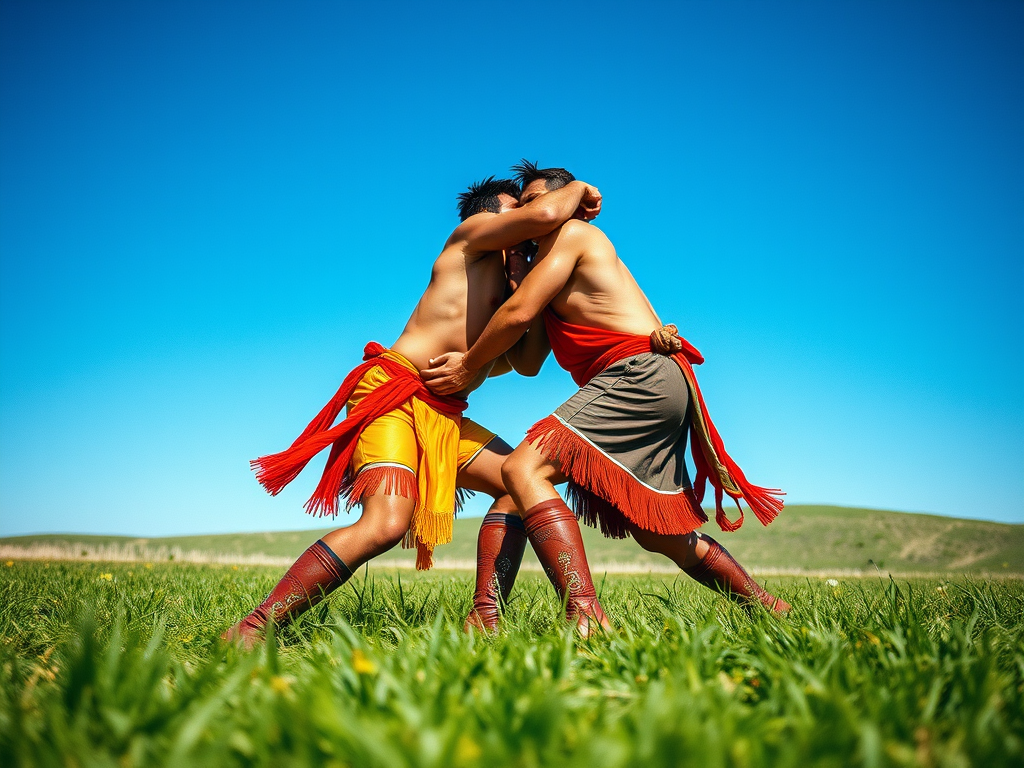
How to do takedowns and throws, in Tai Chi, Xing Yi, Baguazhang or any martial art

I came across an interesting video by Ed Hines of i-Bagua.com recently that discussed some general principles of throws and takedowns. There is some good information here, especially about dead angles, and base. Have a watch:

Of course, in my ear I can hear my BJJ friend saying it’s all nonsense, “why not just do wrestling?”, or “he’s doing zero hand fighting!”. My friend tends to think that everything you can know, or ever want to know, about throwing and standup grappling is already inside wrestling.

He probably has a point, and a lot of the clever ‘internal’ things that Tai Chi teachers demonstrate are really just found in wrestling basics, or are obvious if you do wrestling. But here’s the thing – not everybody wants to do wrestling or even can do wrestling! It’s time-intensive hard, physical work, from which you will probably get injured, and, frankly, it’s for young people, not anybody over the age of 30. Not to mention that you’ll also need to invest in a good quality BJJ mat for grappling training.

If you’re going to approach takedowns without having the time or energy required to learn wrestling, then you’re going to need a softer approach. Oh, hello internal arts.

How to defend everything

I wonder if you’ve ever seen the video “how to defend everything” by Chris Paines on YouTube? (It won’t embed, so I’ve had to link it). It’s about BJJ, not internal arts, and focused ground work, not standing, but those principles he’s expounding, I feel, are universal to all grappling, and they’ve really changed my approach to takedowns. It’s also very simple. Simple is good – simple is practical.

At 50 minutes it’s quite a long video, and some of the important points don’t happen until near the end, so I’ll give you a quick summary: In a nutshell, there are 5 parts of the human body that you need to access in at least one place to achieve a throw or takedown.

Part 1. Back of the head,  
Parts 2-3. Armpits and
Parts 4-5. Back of the knees.

(back of knee area extends down to ankle, armpit area extends down to hip).
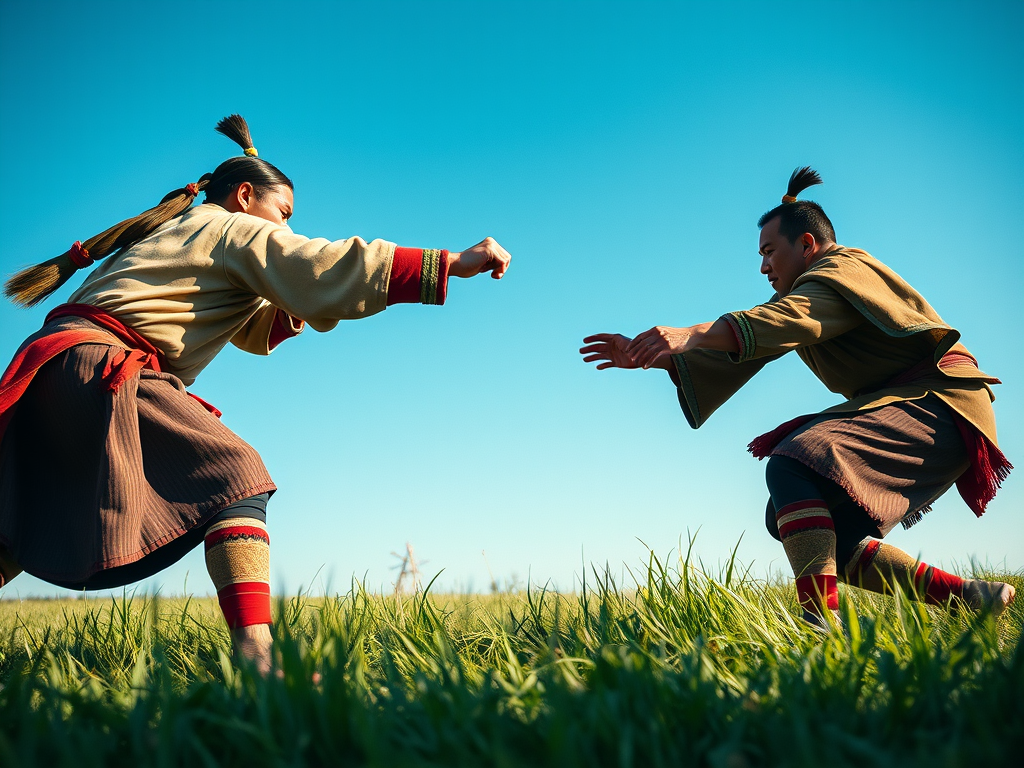
When I do takedowns I just keep looking to insert a part of my body (arm/hand/foot/head/whatever) into one of those places. I just keep spamming it as an attack. If you keep doing that then eventually you manage to ‘own’ one of those places and a takedown will sort of present itself, especially if you get more than one.

You can analyse any throw on YouTube and you’ll find that the person who did the throw got some part of their body into at least one of those places to make it happen. Now, that might mean that the model being used is too general (i.e. it covers a lot of the body!), however, I think it’s still a useful model if you want to work on defence (which people rarely do!)

If you’re doing some grappling and you get taken down, then replay what happened in your mind – you will have let your opponent into one of the 5 spaces for too long. Long enough for them to get a takedown on you. The answer to preventing the takedown then becomes about reclaiming control over those 5 points of your body, rather than trying to do some sort of pre-scripted counter to the throw.


N.B. You can look at standing on the foot as a possible exception to these rules, however… that doesn’t tend to work in a pure grappling environment, unless you also get one of the other 5 as well. Standing on a foot and striking somebody however is a different beast – it’s much more effective. It’s the same with standing wrist locks… they can work, but 9 times out of 10 they won’t – i.e. they are very low percentage, and almost certainly don’t work against experienced people. Your time is better spent trying to get one of the 5 control points. (Apologies to Aikido 🙂 )

N.B. 2 – But what about the gi or wrestling jacket? Well, think of it this way, a collar grip is simply a very effective lever to the under armpit area, so when you grip the collar, you are effectively cheating because it’s giving you easy access to their armpit area. It’s why, when we go for chokes we grip deep on the collar, under the ear, but when we go for throws we tend to grip much lower down, so that the lever to the armpit is stronger.

Anyway, some food for thought.

REVIEW: Why We Fight: One Man’s Search for Meaning Inside the Ring

By Josh Rosenblatt

Amazon link.

When Josh Robenblatt got to the age of 32 and realised he wanted to fight in an MMA match, he had to confront a lot of physical problems as well as inner demons before he set foot inside the cage. While the physicality of fighting is explored, this book is mostly about Josh’s internal struggles as a lifelong pacifist coming to terms with the casual  approach to violence that MMA engenders. For many people Josh’s exact internal struggles wouldn’t exist (especially his frequent reference to his Jewish ancestry), but in a general sense they do exist in some form in all of us, and that’s what makes this book fascinating for anybody who trains in a martial art. It’s also a rare insight into the realities of training for an MMA fight – how much training is actually required, dealing with injuries, how it affects your relationships with friends and family and what the brutal realities of weight cutting are all about.

Josh writes well, particularly when it comes to articulating his inner thoughts on the subject of dealing with actual violence, either as a participant or an observer, and the transformative, almost transcendent, power that coming to terms with it often provides. I found he had managed to put into words something I’d felt before in my own life, but never stopped long enough to really think about and verbalise. As such ‘Why We Fight’ kept my attention constantly until the end, and you do become drawn into his underdog story and intrigued to find out what happens when he finally gets into that MMA match. I won’t spoil it here.

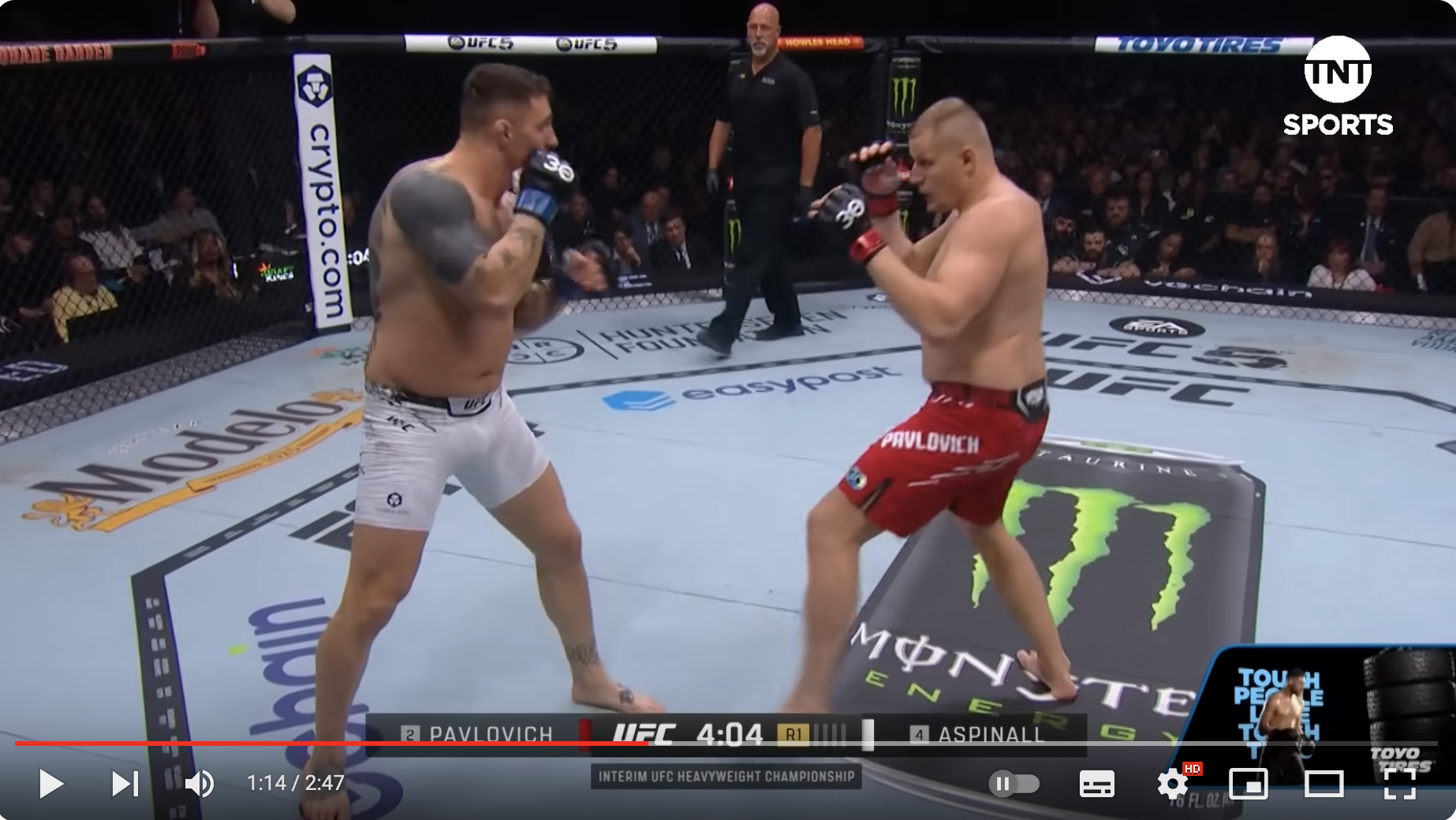
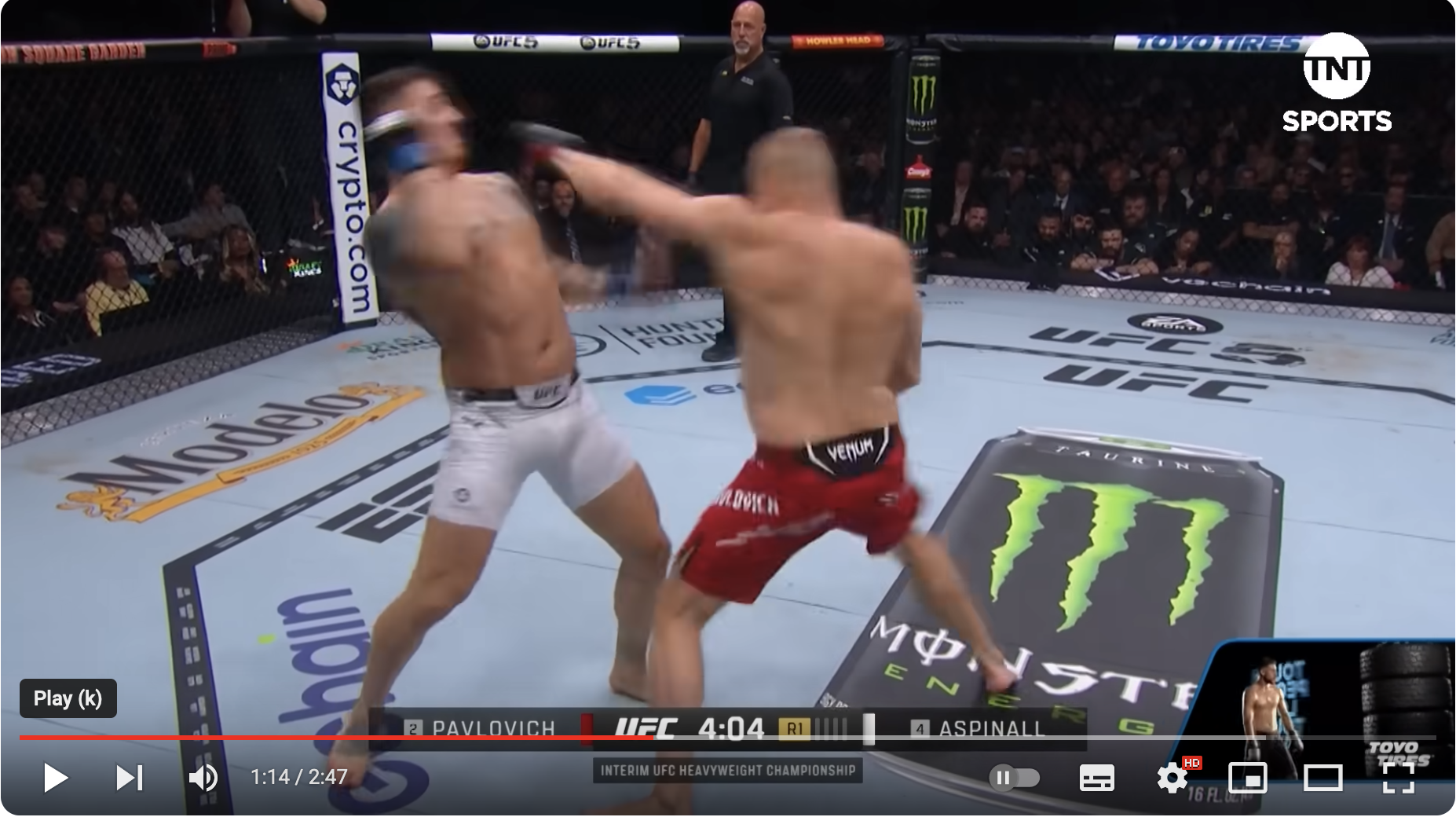
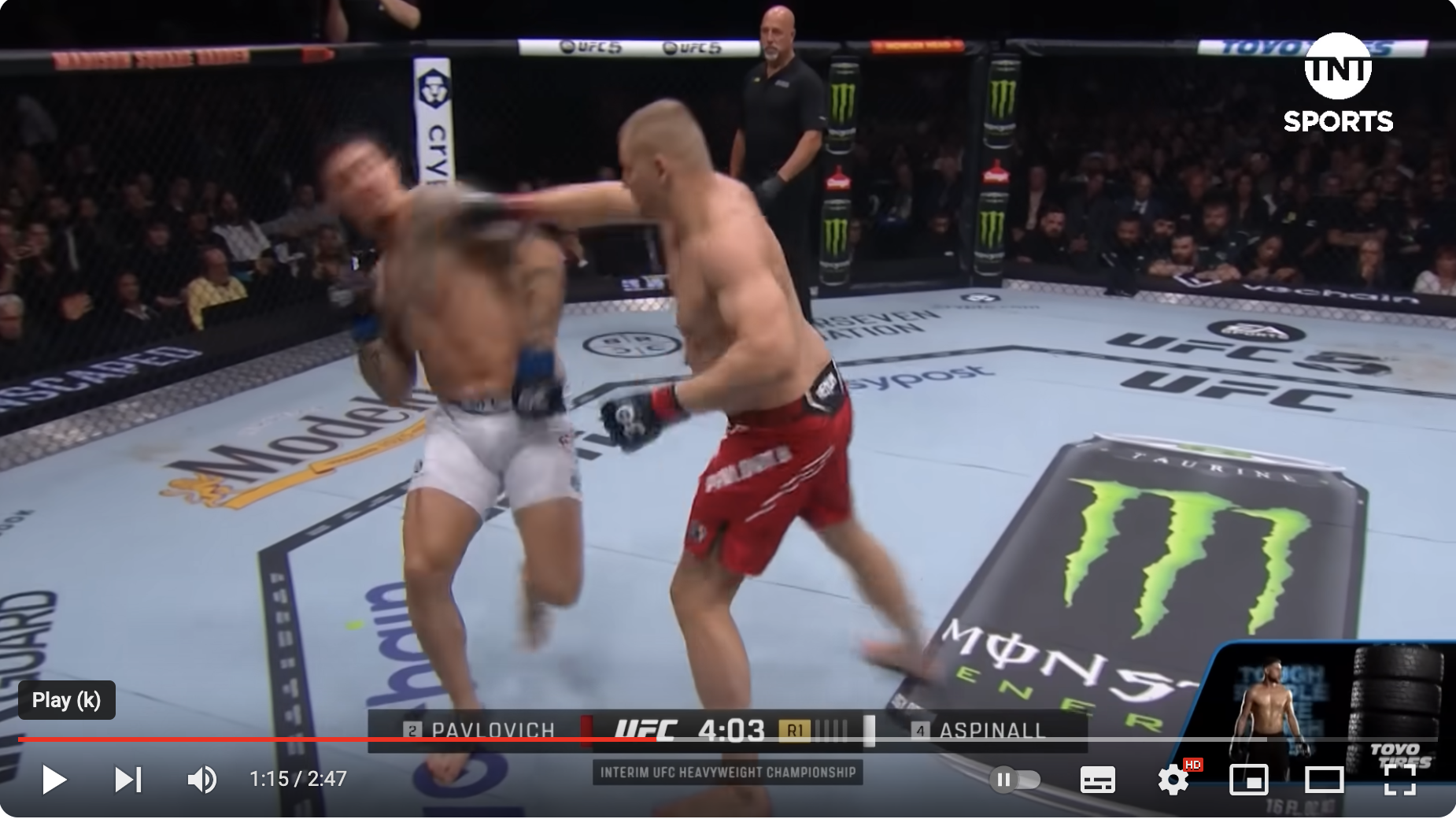
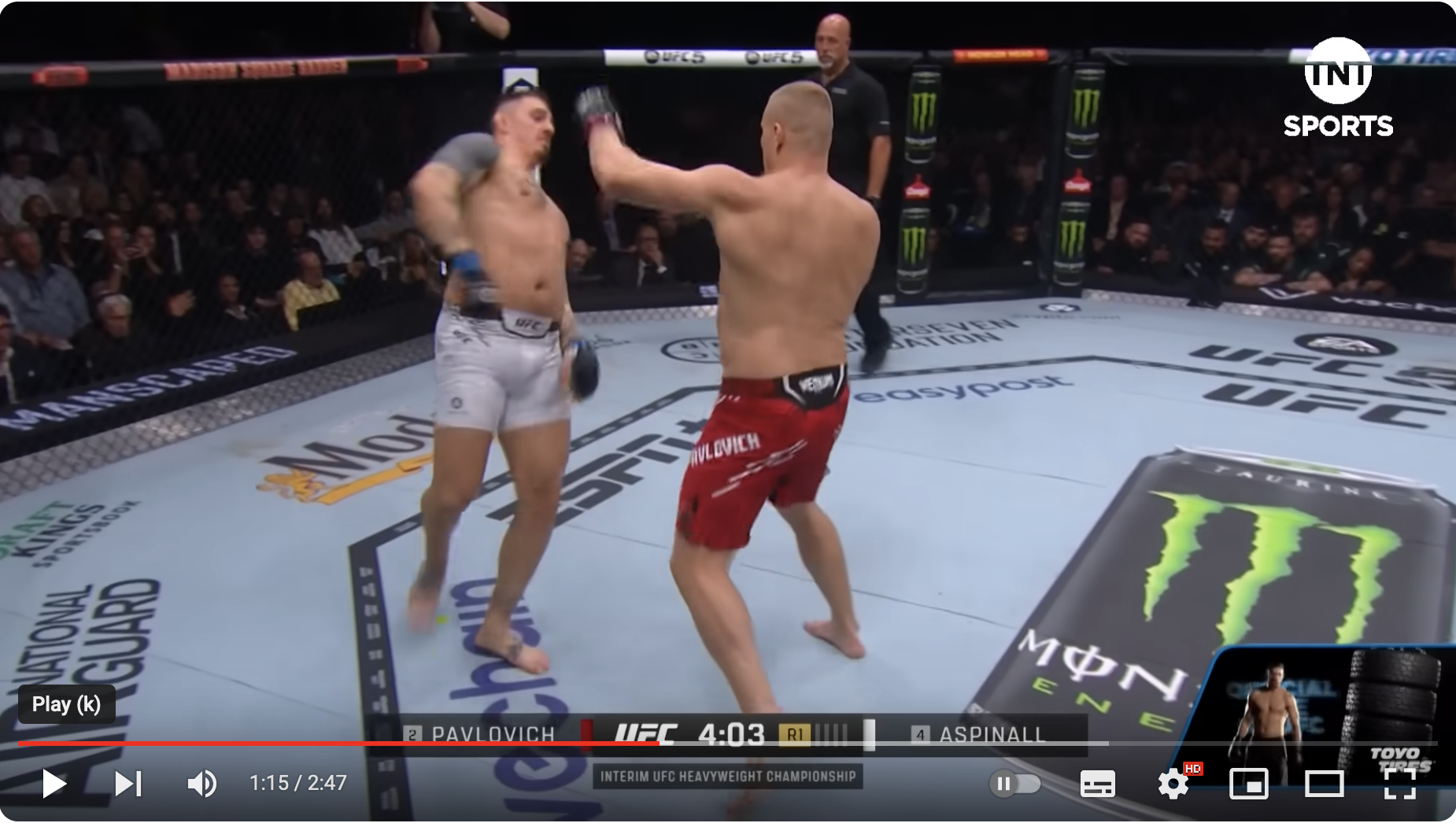
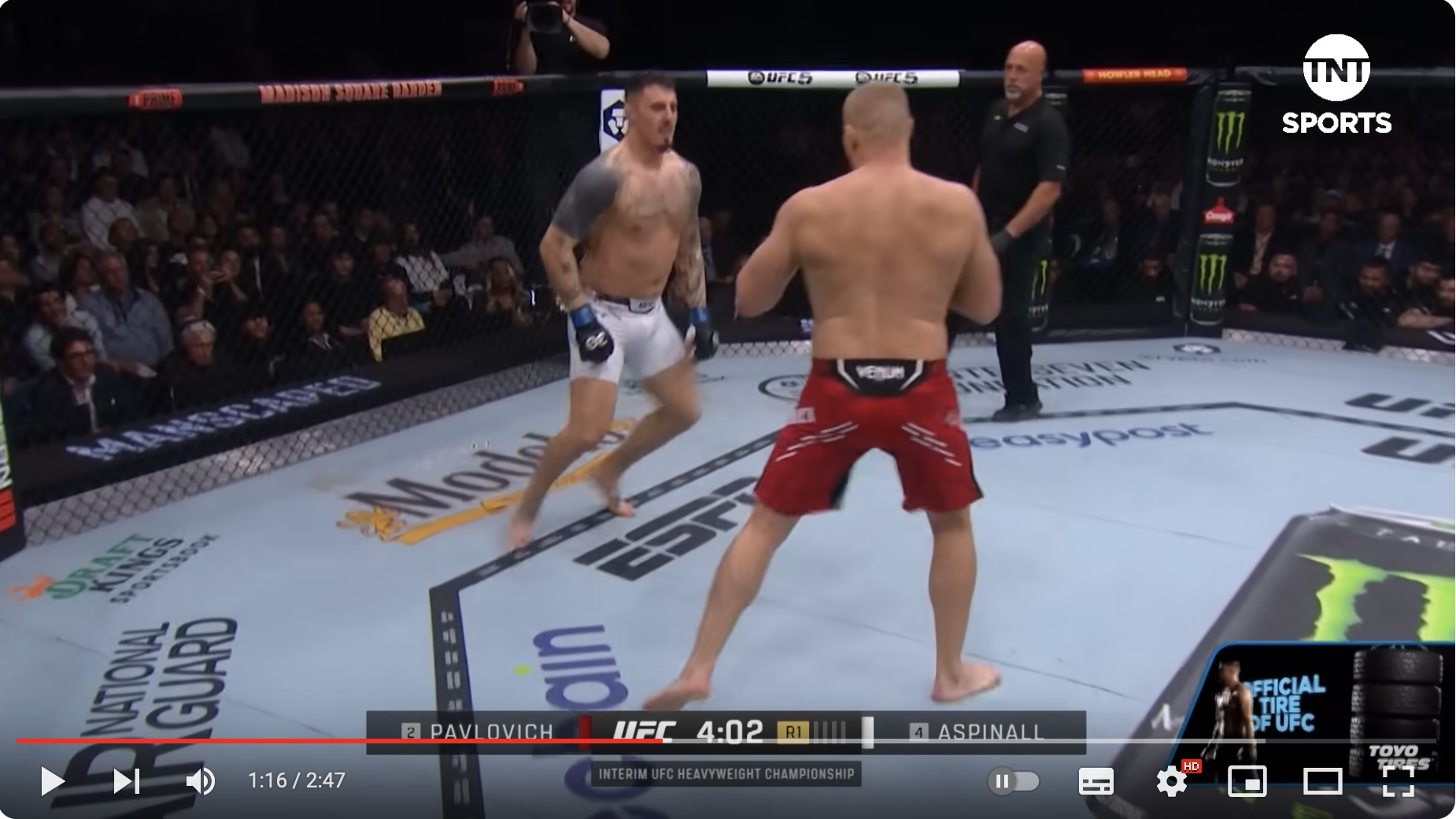
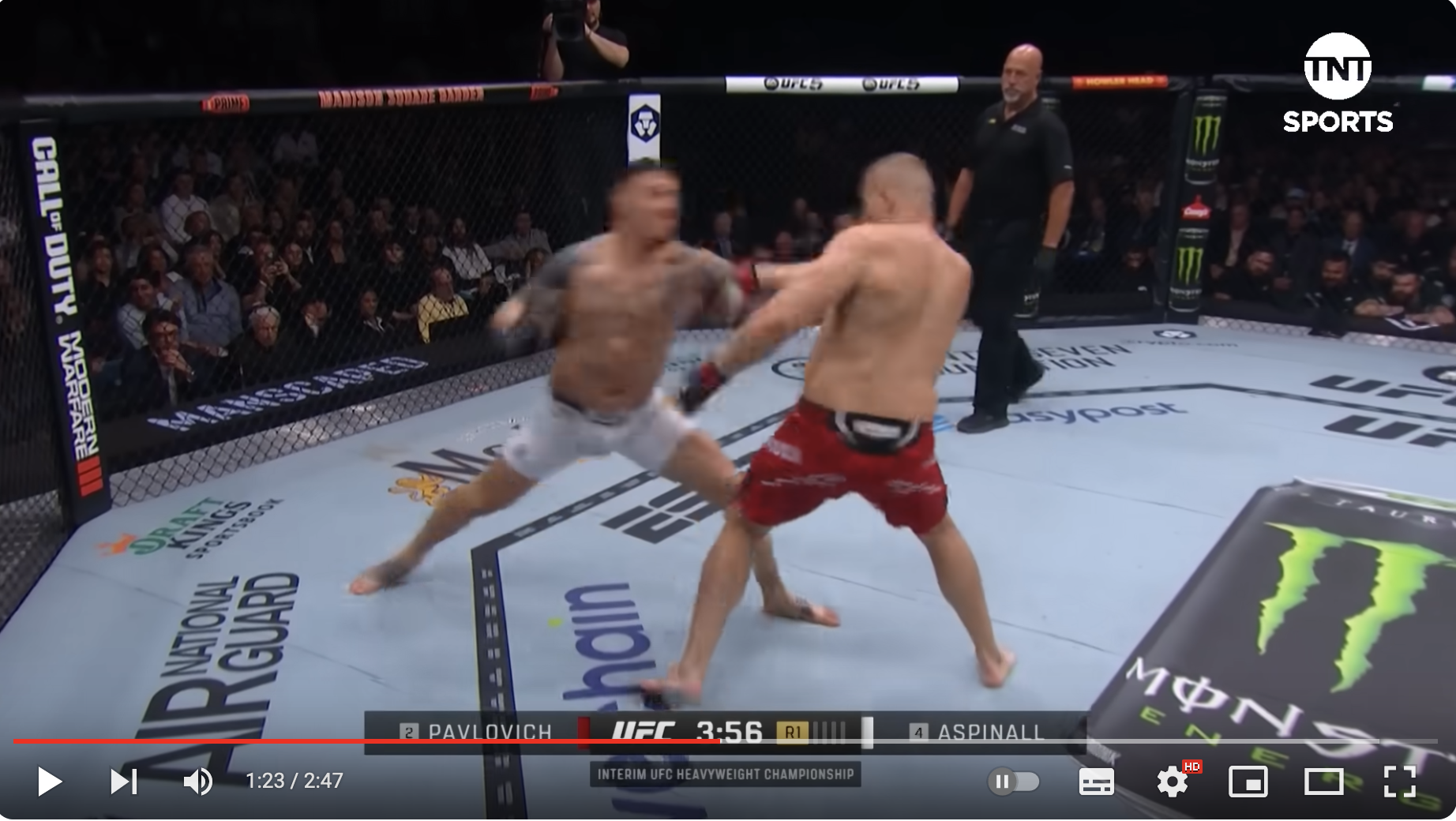
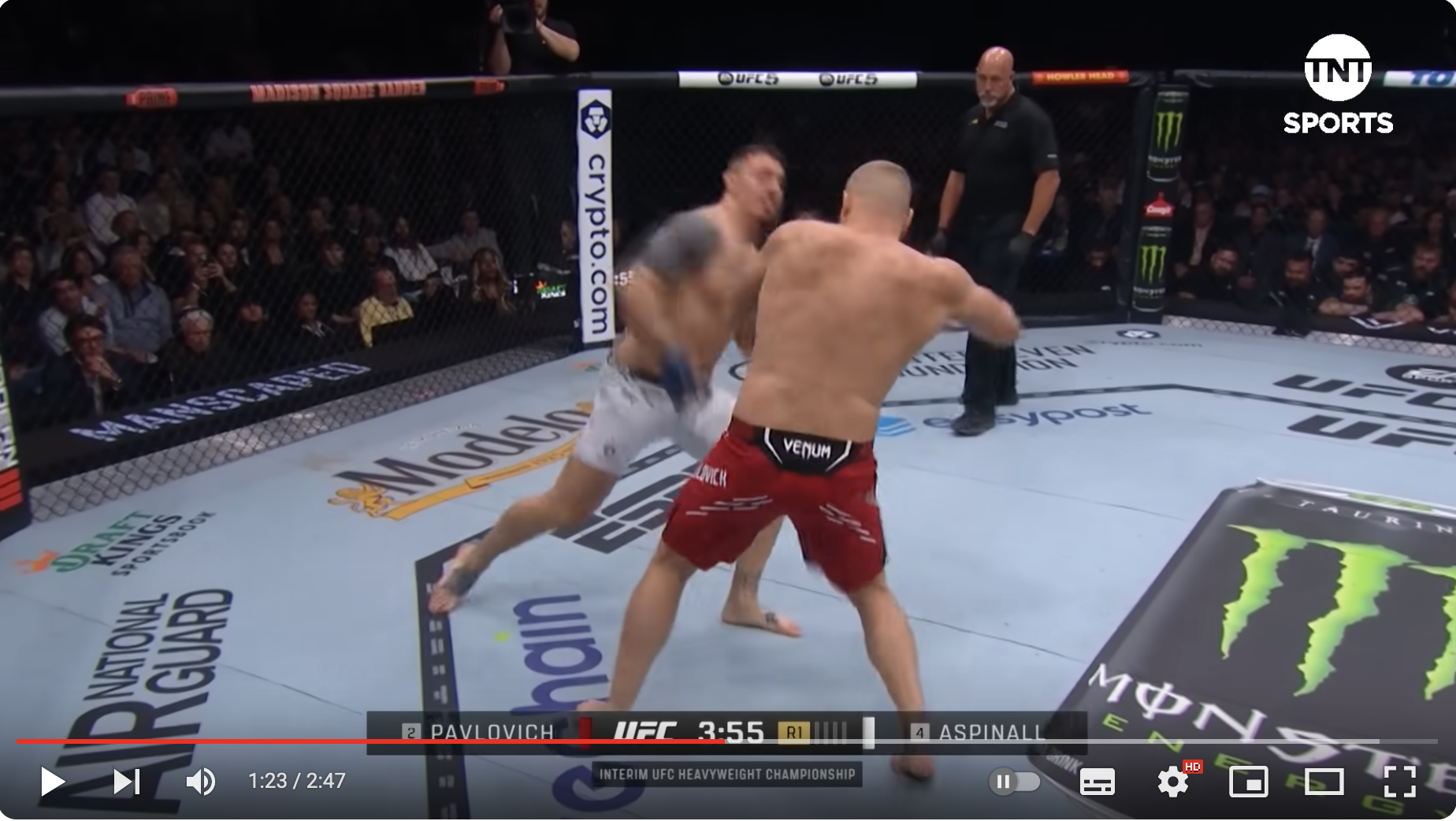
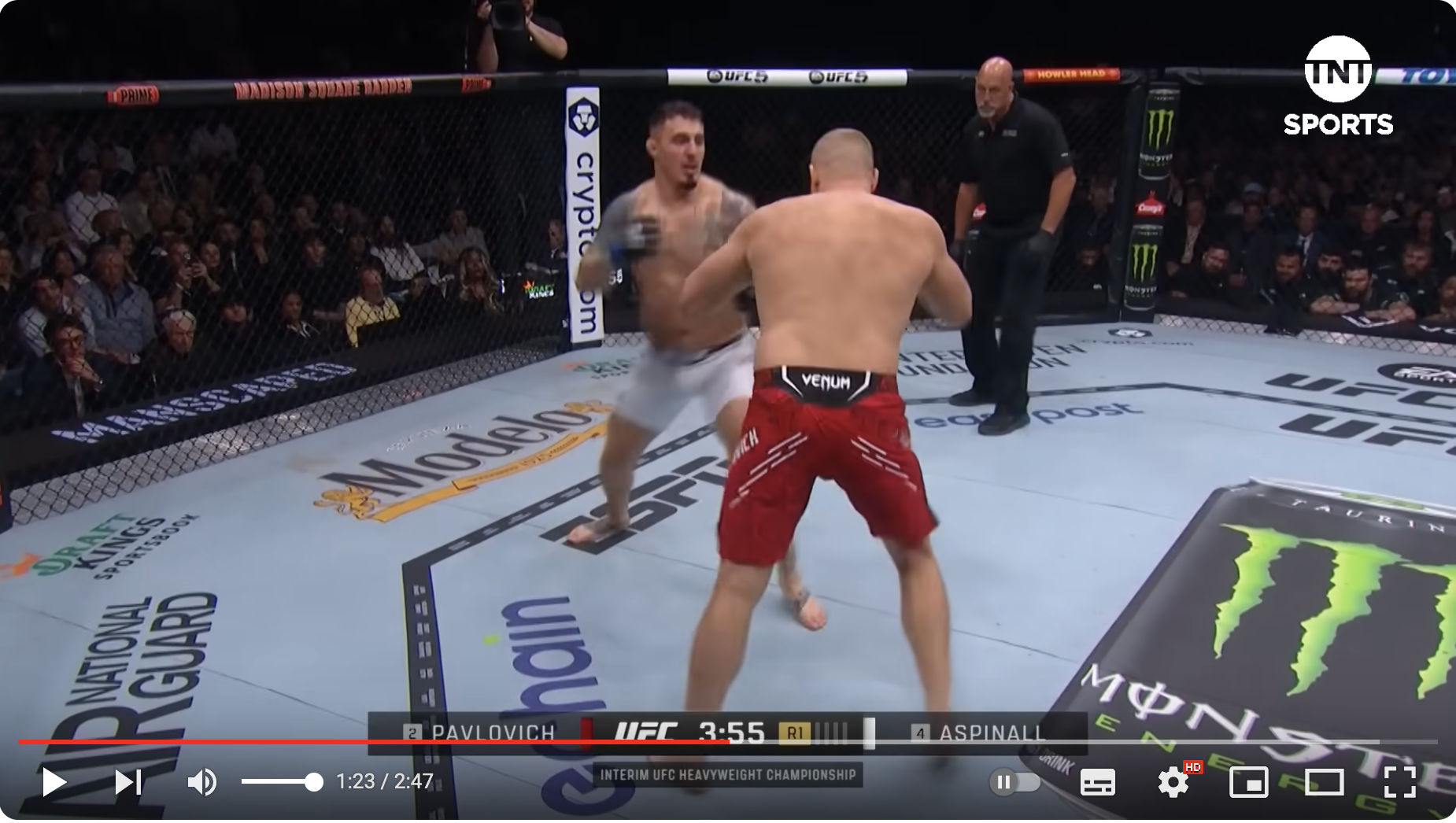
Mixed Martial Xing Yi Fight Analysis #2: Tom Aspinall vs Sergei Pavlovich

So, in my original post about using the Xing Yi 12 Animals to anaylse the fighting styles of modern MMA athletes (I know, it’s a small niche, but hey, I’m the only one in it!) we looked at Alex Pereira vs Jiri Prochazka and I speculated that they were good examples of the Chicken and Swallow Xings respectively.*

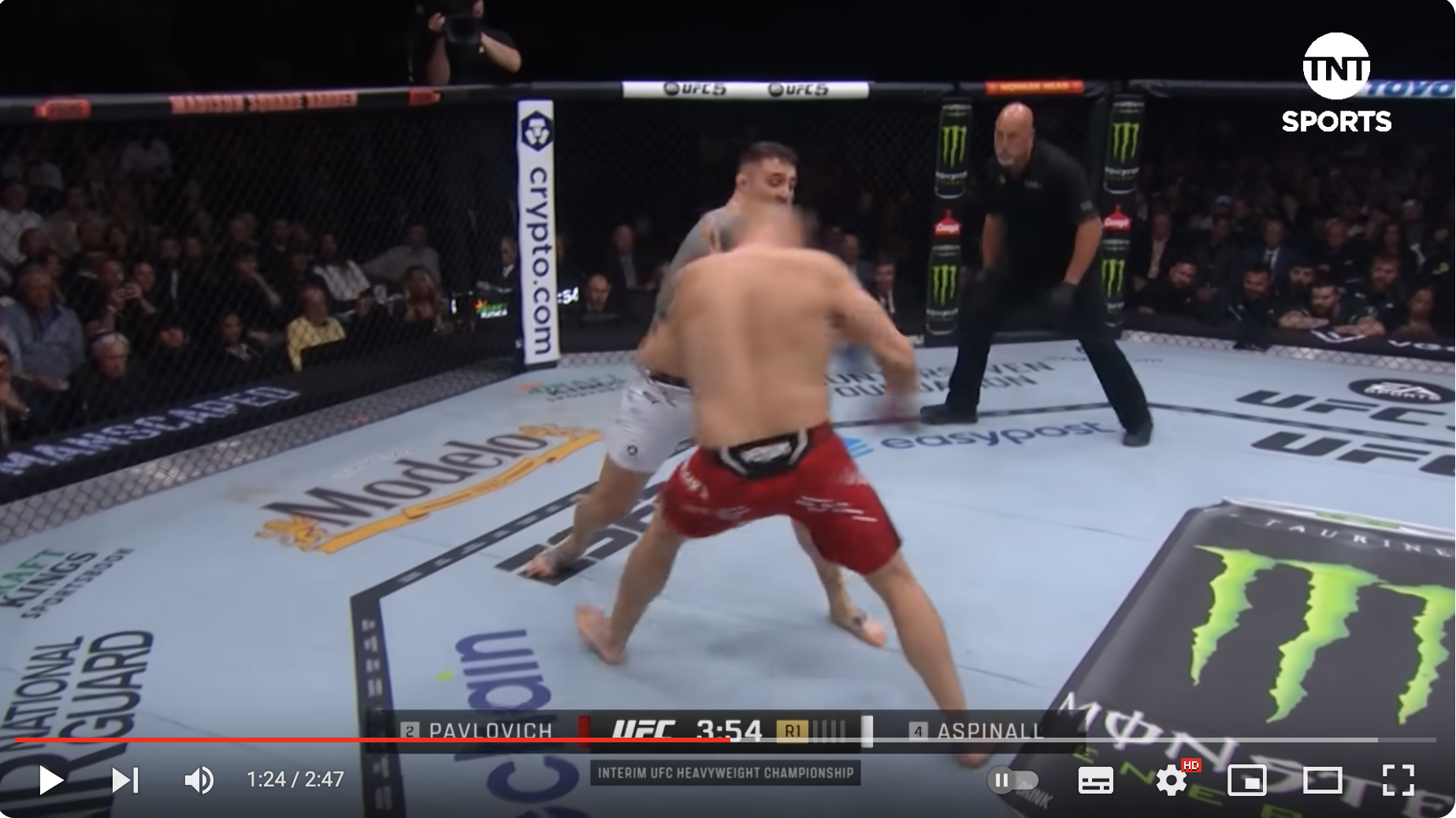
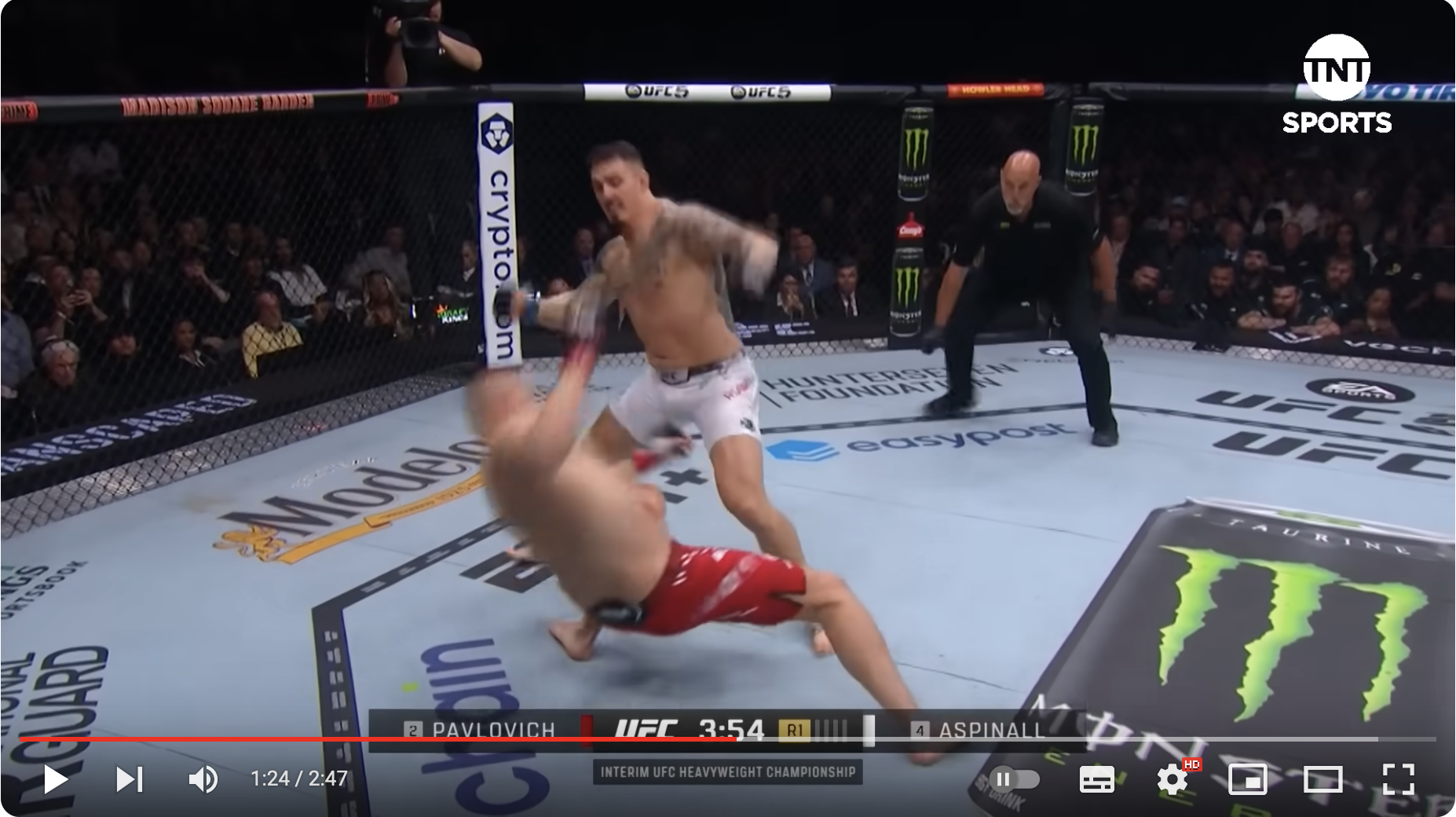
I left the reader with a question at the end… I asked them to take a look at another fight on the same UFC 295 card where British heavyweight Tom Aspinall took the interim heavyweight belt by defeating Sergei Pavlovich. The question was what animal style could we say that Tom Aspinall was a good example of. Take a look at the fight before reading further if, you haven’t already.

So, nobody decided to answer in my comments section but I got a few replies in private groups on Facebook, etc. One person got it half right, but they mixed two animals together in their answer, and only one was right. Interestingly most people seemed to opt for Tom being a rather large Monkey (Hu Xing). I get why, Tom is clearly bouncing in and out on his toes, despite being a massive human, but really that’s where the similarity with monkey ends. Monkey would try to attack from further out than Tom is standing, or from further in – it’s a very ‘in your face’ animal, but also a joker and a trickster. Taking pot shots, then running away. Remember the classic Monkey vs Tiger fight video? That’s Monkey. I can think of at least one modern MMA fighter who is a classic monkey – I’ll post about him in the future.

This charming man

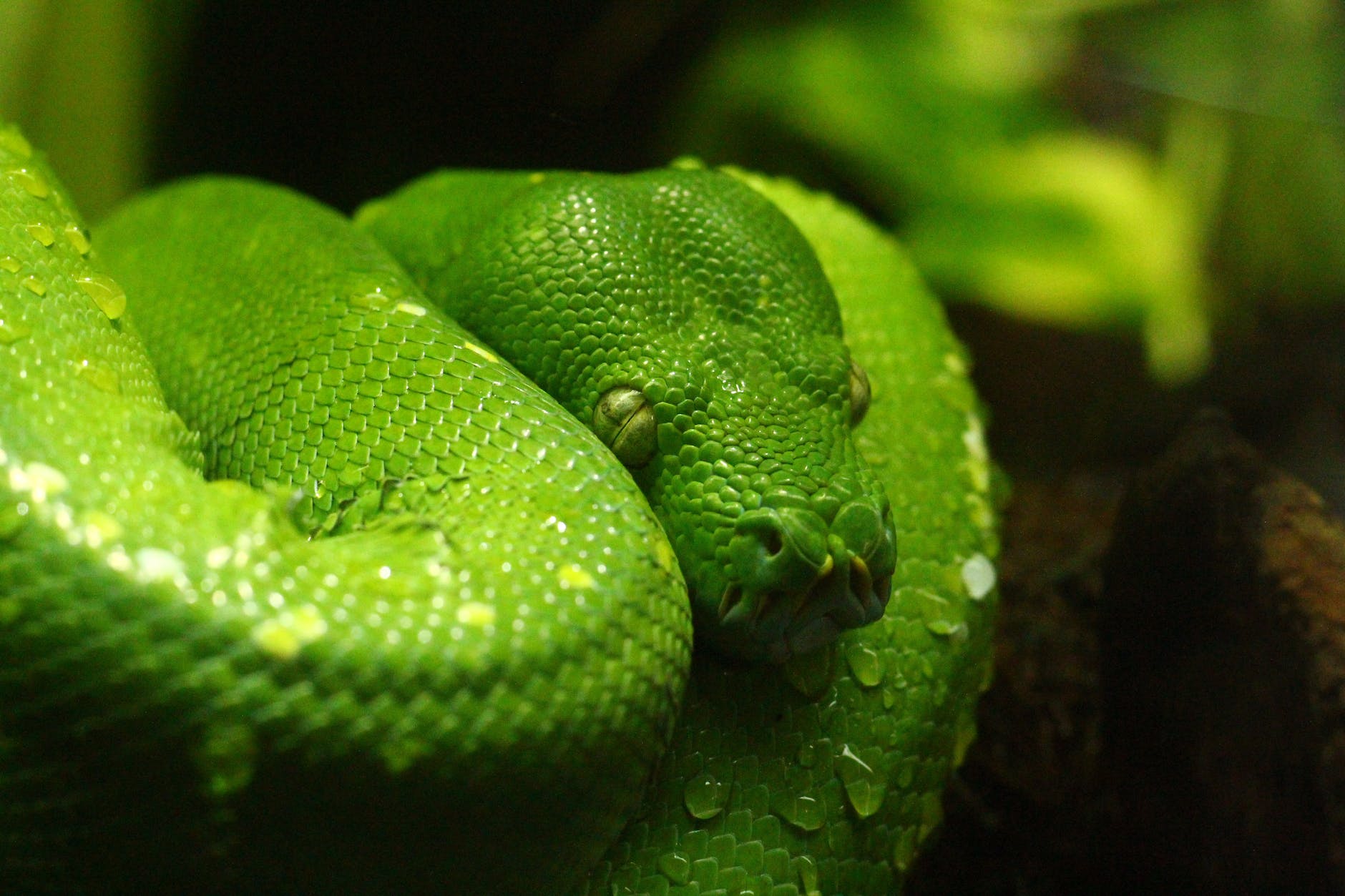
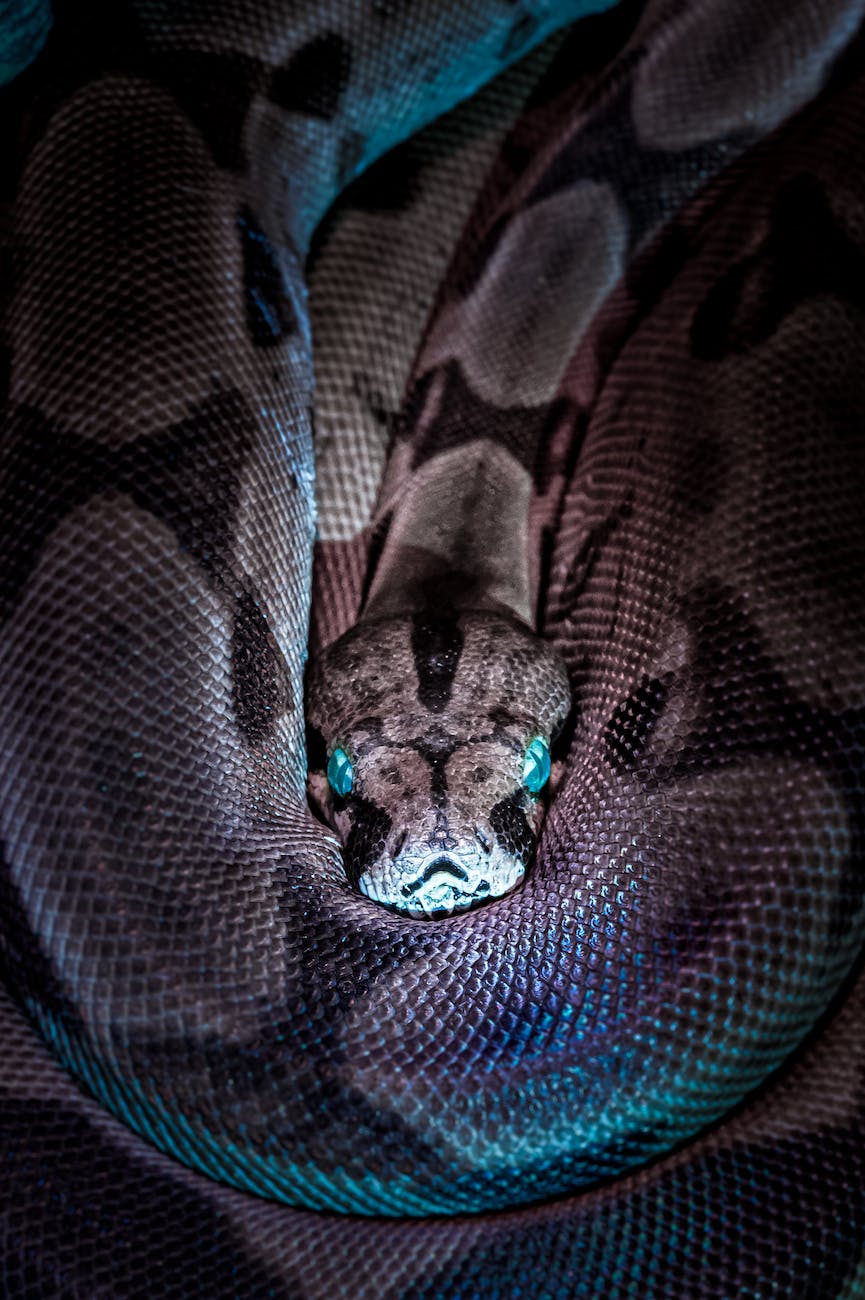
So, let’s look at what Tom actually is. He’s 100% Snake because Snake has Yin and Yang aspects. The key feature of snake is a coiling body, which can be used for either very quick strikes (Yang snake) or wrapping and coiling actions (Yin snake) for defence and grappling/locking. You can see this defensive coil aspect (Yin snake) particularly well when Tom is defending. There’s a little section in the round where he slips punches from Sergei while he coils and winds his body as he circles off – this is classic snake behaviour – just imagine if you were stupid enough to try to grab an angry snake by the neck – it would bend and coil around your hand, particularly if it was a python.

Snake’s are very aggressive, successful predators dating back to the time of the dinosaurs, and they’re always sensing forward, flicking out their tongue, and of course, they have the famous (and sometimes) venomous bite. When a snake bites the action is incredibly fast – you’ll notice that when Tom flicks out his jab the speed catches Sergei completely by surprise. For a big man he punches very quickly. The finish is so fast it’s hard to see, but Tom punches Sergei twice before Sergei can even react, steps back, looks at him, then punches him again sending him to the canvas:

Throughout the fight, Tom is flicking out single jabs and single low kicks too, very quickly.

Snake in Xing Yi is also associated with locking and grappling actions – we didn’t see any from Tom in this fight, but that doesn’t change the character that Tom is showing. (He’s actually a very accomplished grappler as well).

But what about Sergei? Well, we didn’t see much from Sergei in this fight, but from what we saw I’d vote Bear for him. His stepping is short as are his rounded punches. He’s incredibly powerful, and he landed the first strike of the match on Tom, which was so powerful he almost finished it there and then. Luckily for Tom he managed to absorb it. In our style we always include Bear and Eagle together, so I think Sergei’s got the potential for some Eagle strikes too, but the fight simply didn’t last long enough for him to show them.

Xing Yi snake (She Xing)

If you’re talking about snake movements performed in Xing Yi then it looks something like this:

You’ll notice you can see the elements I’m talking about here – fast strikes, coiling movements and grappling applications.

Here’s a video of me doing some Xing Yi Snake. I’m showing some berehand and sword here, but you can see it’s all the same thing.

Your mileage may vary

Photo by will on Pexels.com

* I suppose this post needs to end with some sort of “this is just my opinion” type of disclaimer. But I find people tend to get offended about everything they possibly can regarding Xing Yi these days, so I’m not going to loose too much sleep over it. And obviously Tom has probably never heard of Xing Yi – I’m just using it as a tool to analyse his fighting style. And if you want to enter an MMA match then MMA training is obviously the best way to train for it, not Xing Yi.

There are different lineages of Xing Yi, it’s been transplanted to different countries, and it’s very old, so it’s quite possible that none of my understanding of Xing Yi snake resonates with your particular lineage. It’s a sad fact that most Xing Yi animals have become just a set of techniques or moves, that have long since lost any connection to actual biological animals – successive waves of crushing political ideology, (both nationalism and communism) imposed on a marital art at the barrel of a gun will kind of do that. I will say however, that my understanding of Xing Yi snake is not really based on a particular style of Xing Yi, or a way of doing the move, but on tying to get back to what real snakes do. And I won’t say I wrote the book on Xing Yi Snake, but I did write one chapter of it.

Photo by Jan Kopu0159iva on Pexels.com

The head kick from hell! Leon Edwards UFC 278

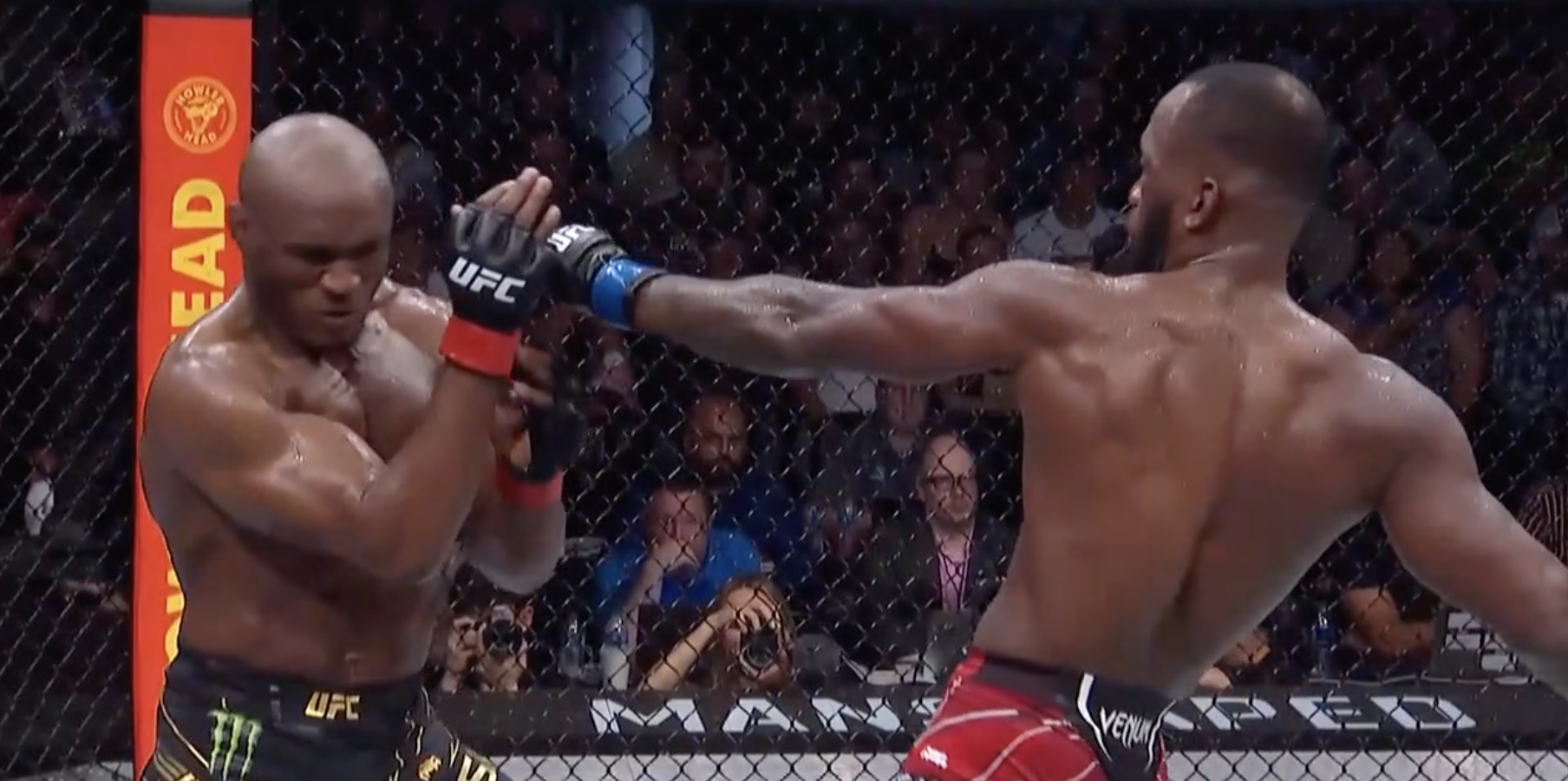
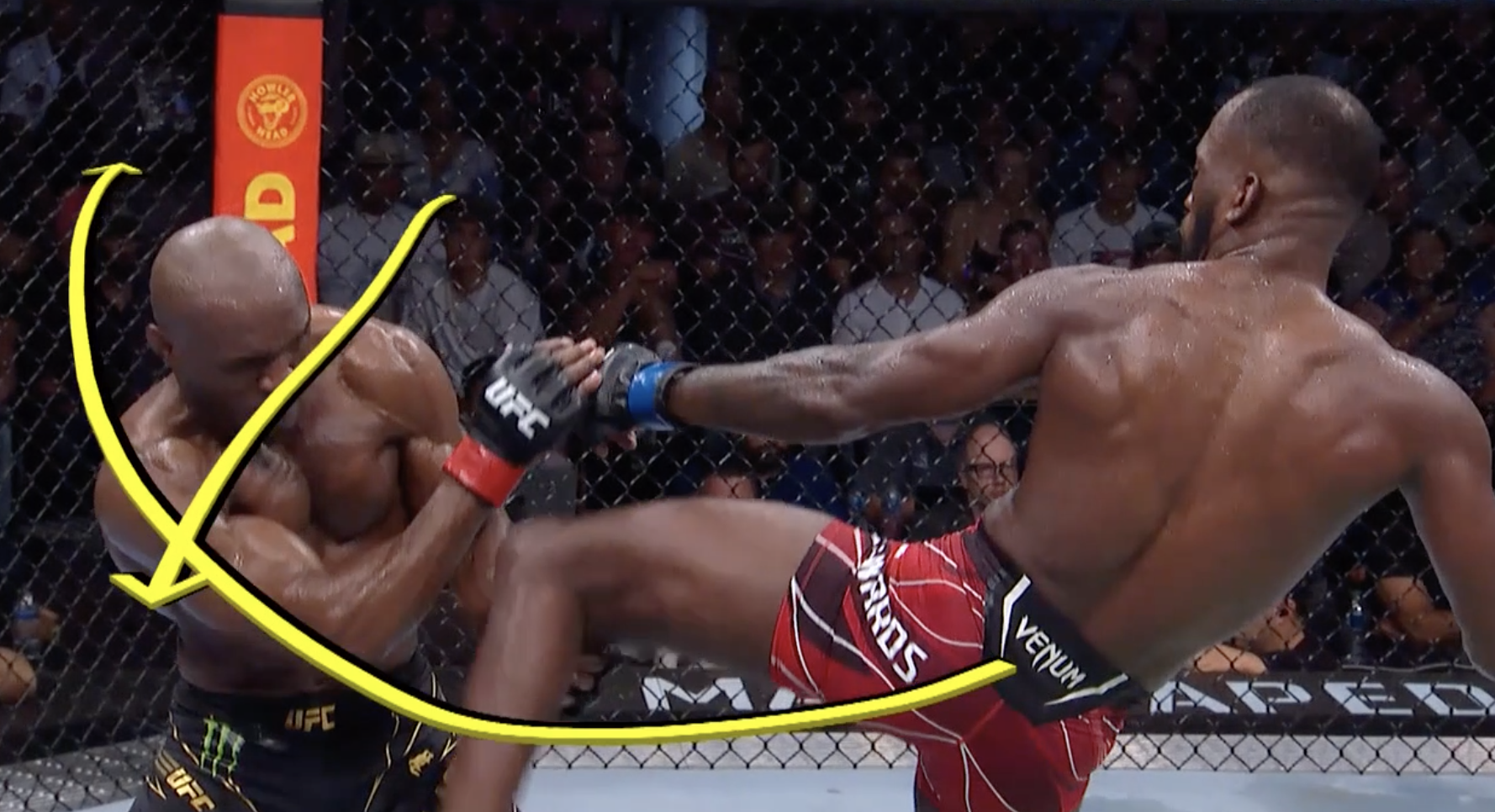
Congratulations to the UK’s Leon Edwards for becoming the new UFC Middleweight Champion of the world with his stunning head kick victory over Kamaru Usman. After a great first round Edwards was clearly losing on points having been dominated by the champion in each round since, but in the fifth and final he pulled off a near perfect head kick as you’re ever going to see, sending Usman crashing to the canvas and making him the new champion.

As the photos show, he set it up with a left that tells Usman to dip his head to the right, but that kick is already coming and it’s all over.

1. Feint the left.
2. Usman dips his head.
3. Kick connects!

A good intro to martial arts studies

Here’s a good interview with Prof. Paul Bowman, which I think acts as a useful introduction to te field of martial arts studies for the beginner, and how it interacts with some current thoughts and trends in society like Black Lives Matter, UFC, Bruce Lee and Conor McGregor.

Topics include:

* Is cultural studies trivial?
* Why have you done so much research on Bruce Lee?
* The response in the field of cultural studies to martial arts studies.
* Accessibility in academia.
* How academic publishing differs from vanity publishing.
* How podcasting is pushing the conversation forward in martial arts studies.
* The impact of the popularity of the UFC on martial arts studies.

Fighting in the age of loneliness

Screen Shot 2018-12-05 at 5.03.02 PM.png

I thought I’d bring your attention to a great little video series written and directed by Felix Biederman that’s been produced by SBNation called Fighting in the age of loneliness. It’s a kind of history of MMA and the UFC, including all the influences from Japan to Brazil and elsewhere, including the Pride period, set against the social/economic backdrop the USA and Japan.

One particular quote I liked was:

‘Your home belongs to the bank, your gas tank is lining the pockets of those who had more to do with 911 than the country your brother just died fighting in and you’re told the economy is in high gear even though your paycheck is buying less and less but what you just saw in the cage was unambiguous. One person hit another and the other fell. Nothing about it lied to you.’

Here are the episodes:

Episode 1:

Episode 2:

Episode 3

Episode 4:


Episode 5

Tony Ferguson’s Wing Chun

I keep hearing talk of current/or current interim/or previous UFC Lightweight champion (it’s such a mess in that division of the UFC at the moment that I lose track) Tony Ferguson and his use of Wing Chun in the UFC.

The following video puts all the different clips of him training on a Wing Chun wooden dummy and fighting in the UFC together, with a bit of Joe Rogan commentary over the top – it’s actually a good watch:

The exercise he’s doing with the metal ball looks a lot like the Baguazhang tea cups drill, as well.

To me his Wing Chun looks kind of self-taught. I get the impression he’s more into innovative training using the wooden dummy equipment, rather than in making a serious attempt to learn and apply actual Wing Chun in MMA.

A lot of the proof that he’s using Wing Chun in the UFC relies on that one elbow he did over the top in the clip above. But the thing is, Jon Jones has been using that for years, and nobody says he’s doing Wing Chun. Watch him doing it against Gustaffson here:


Still, it’s worth noting that Fergason is doing well with whatever unconventional training methods he’s using. If he can find some inspiration in traditional Chinese Martial Arts, then so much the better for everyone.

Does Cormier’s dirty boxing point the way for CMA in MMA?

I’m always looking for ways that the sticky hands-like training found in Chinese martial arts like Tai Chi Chuan, Wing Chun, Praying Mantis, White Crane and Hung Gar, where contact between the forearms or hands is maintained and the practitioner is encouraged to ‘listen’ to the movements of the opponent through this contact, can be used in MMA.

https://www.youtube.com/watch?v=cbYzQJPoHII

A clip of Bruce Lee showing sticky hands training

 The problem with transferring these sorts of skills to MMA is quite obvious: nobody in a ‘real’ fight is going to offer up their arm to you to stick too. Instead, they’re just going to punch you straight in the face, and not leave their fist hanging in the air afterward for you to grab.

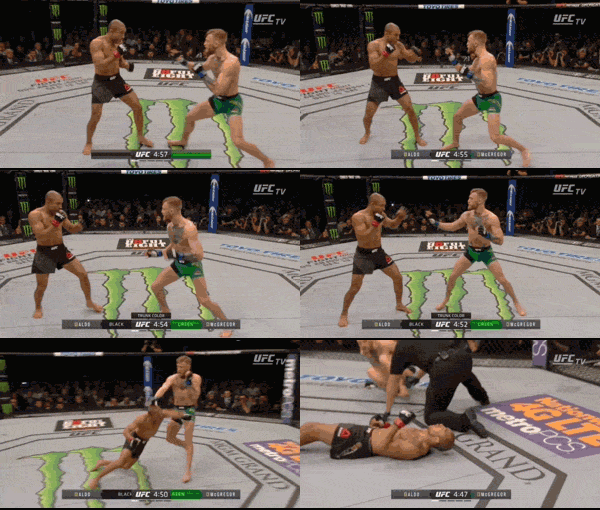
Perhaps the most famous MMA practitioner ever, Conor McGregor, is a master of counter-attacking and timing. He waits for the opponent to commit to a strike before throwing his deadly left hand and catching him just as he comes in. He mixes this up with kicking techniques straight from a Tae Kwon Do instruction manual.

giphy


Other fighters like Nate Diaz are known for their straight-up boxing style hands and fighters like Gobrandt and Cruz have evolved the MMA striking game into a movement based style.

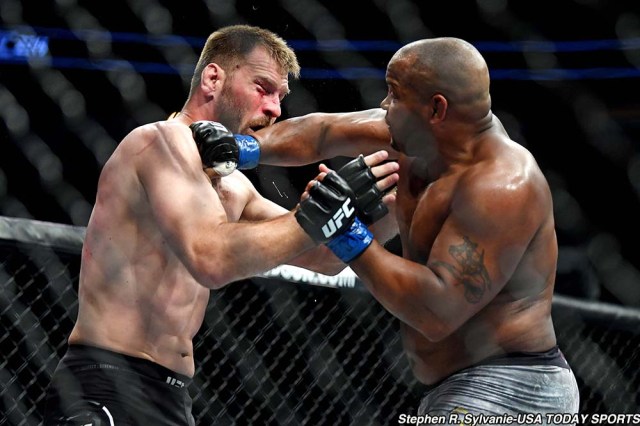
One of the names you don’t often hear mentioned regarding striking is the UFC light heavyweight champion, and now the new heavyweight champion, Daniel Cormier. Cormier, a former Olympic Wrestler, has a strong background in grappling but has dominated the light heavyweight division (despite two losses to Jon Jones, who keeps getting disqualified and banned for failing drug tests), achieving 10 TKO or KO victories from striking.

MMA: UFC 226-Miocic vs Cormier

Using wrestling as his base he’s developed a style of clinch-based dirty boxing that has been very successful. He doesn’t look like a typical striker, with both his hands outstretched, instead of in a typical boxing guard. When engaging an opponent on his feet Cormier seeks to smother the other guy’s hands, and feed in strikes once they are out of the way, moving into a clinch position, then looking to land a strong hook as either he or his opponent exit the clinch. And of course, once in the clinch, he can use his wrestling to get a takedown. Video here.

If he can catch his opponent with his hands down as he exits the clinch then a short hook can mean its lights out, as the ex Heavy Weight champion Stipe Miocic found out to his cost this Saturday at UFC 226 when Cormier moved up a weight division to challenge for the belt, becoming a two-division champion in the process as Miocic collapsed to the floor following a clean hook to the chin from Cormier.

Cormier’s tactics have a president in boxing. Jack Johnson and George Forman used to smother opponents hands to set up their own fence and draw loopier punches that they could cut inside of.

MMA Analyst Jack Slack has broken down the stylistic punching of Cormier in Clash of Kings: Tactical Guide to Stipe Miocic vs Daniel Cormier, ahead of the UFC 226 heavyweight clash. Slack calls it the “mummy” style of guard, presumably because it resembles a horror movie mummy approaching with outstretched arms.

Jack Slack breaks Cormier’s style down further in a subsequent article, after the event, which looks at Cormier’s use of a blocking arm, known as a barring arm. Video here.

But what peaked my interest was the idea that this style of fighting could be the ‘way in’ that Chinese Martial Arts practitioners are looking for when transitioning to MMA (or heck, just even real fighting). Cormier’s style makes extensive use of subtle angle changes and sensitivity that push hands and sticky hands training builds up.

If you’ve got a background in this style of sticky hands then read those Jack Slack articles and take a closer look at what Cormier is doing because it could be a style of fighting that would probably work for you too.