Happy Father’s Day, UK! There are three Euros matches on today, including England, so you’re probably not looking for a film to watch tonight, but if you do then I’d recommend The King (2019) on Netfix.
The King trailer.
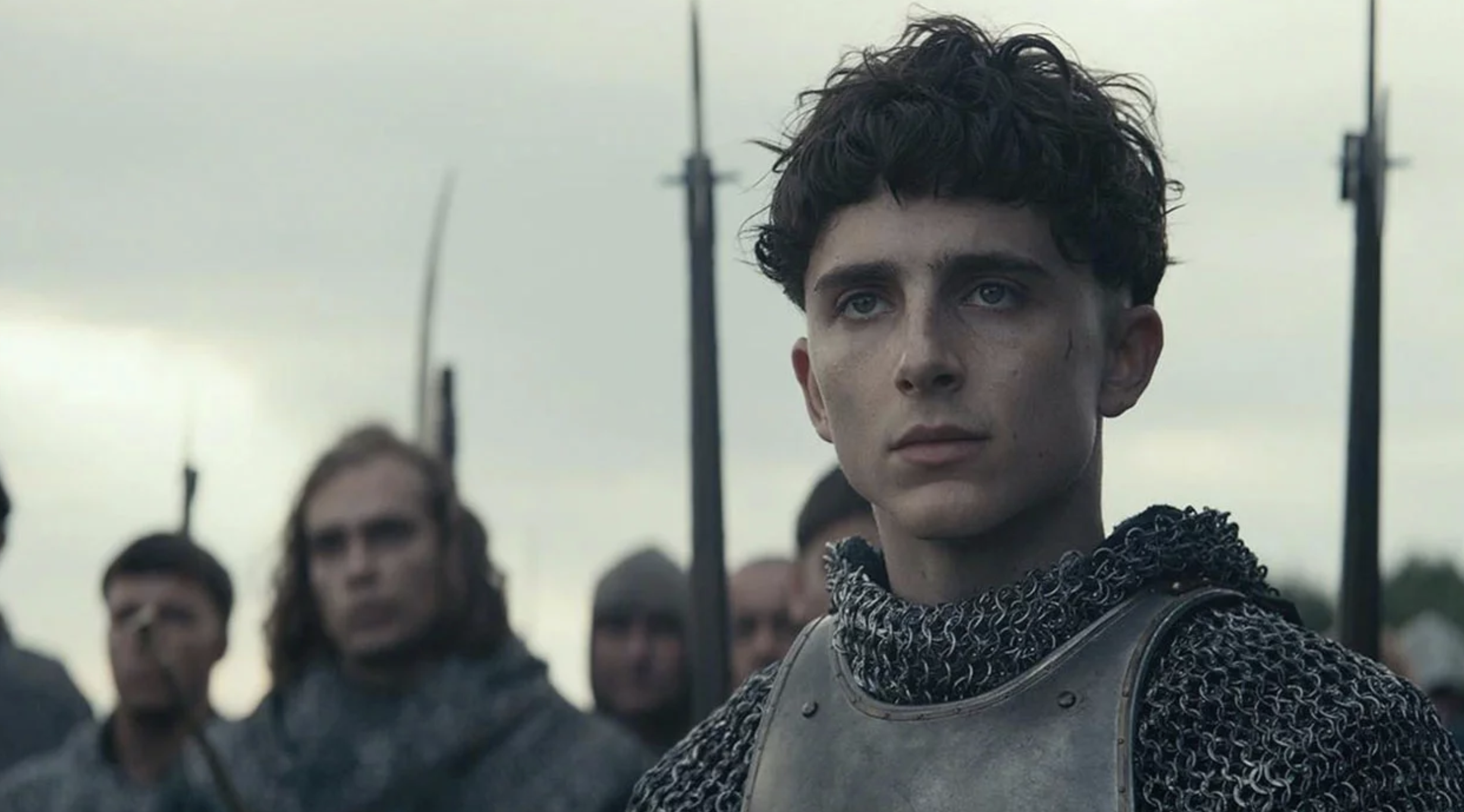
I loved this film, which I reviewed when it came out. It’s the story of Henry the fifth, not the historically accurate story, the Shakespeare version, but presented as if it was the historical version, which is a bit confusing, but that didn’t bother me. The acting is great (it stars the unfairly good-looking Timothée Chalamet), the story is top notch (er, thanks, Shakespeare) and the battle scenes are really well done.
But it was the solo duels in particular caught my attention for having a realistic quality, which is why I greeted this video breaking down the first longsword duel in the film between Harry ‘Hotspur’ and Hal with interest.
When you’ve been doing Asian martial arts for a while you have to remind yourself that the term “martial arts” also applies to European martial arts too, the sort of thing that HEMA is busy reviving, and Longsword is one of the things they practice. I really like the discussion of longsword technique in the analysis of the video, and the reference to historical fencing manuals (fight books), and how it gives you more insight into what’s going on in the fight.
My one criticism of the breakdown is that it completely ignores the excellent little ankle trip takedown right at the end that gives Hal the win. That deserves more credit! Anyway, here’s the video:
The King (Netflix 2019) is (Shakespeare’s version) of the story of the rise of King Henry V and the battle of Agincourt against the French (1415).
Prince Henry is portrayed as a wayward teenager, who dislikes authority and has no desire for the throne or the complications of court politics and international diplomacy. Suddenly this emo teenager has the full weight of the English crown thrust on his shoulders, and pretty soon, against his will, he is at war with France and the famous field in Agincourt is calling.
There are virtually no women in this film. It’s as study of men. How men rule, how men lead and how men fight. And ultimately, how they lie.
The fight scenes are not bloody. They’re muddy. Smack, bang, wallop in the mud. But they feel realistic. I think the makers of The King have spent a lot of time talking to medieval armor experts and thinking about how fights in armor, between armored knights, would actually have played out.
While Agincourt is remembered for the English archers securing victory with their longbows, their effect in the battle, while important, is not portrayed as the decisive factor by a long way. It’s the use of the terrain, strategy and hand to hand combat that secures victory.
And the grappling. There is so much grappling. Specifically, grappling with weapons and armour. Forcing the opponent to the ground and working a blade in or bashing their head with a hammer.
The key factors seem to be, wrestling, impact from momentum (blunt or sharp edged weapons), and finally the environment – the mud.
Xing Yi, a Chinese martial art which I talk about a lot on this blog, has battlefield origins and seems equally obsessed with weapons, armour and the environment. The strikes in Xing Yi’s 12 animals all target weak points in armor. The bits where the joints in the human body are and the armor is, by necessity, weak to allow the limbs to move – up under the armpit, the inner thigh and the neck are obvious examples.
Another thing that Xing Yi emphasis is the stepping. So much emphasis is placed on making sure you don’t slip or trip in Xing Yi training. My XingYi teacher would insist on us stepping with the whole foot landing flat, never the normal heel toe action of walking.
Back when I was learning from him regularly we used to train outside (whatever the weather), so often this was on wet grass. Trust me – you don’t appreciate that heel toe stepping is vulnerable to slipping until you try it at speed on wet grass.
Over time we seem to forget these little things in our training, because in our modern life they are rather unimportant. People don’t wear armor these days and we usually train martial arts on flat wooden floored gymnasiums or village halls, in the dry. Watching The King was a good reminder of their importance. It’s the simple things like this that make the difference between living and dying on a battlefield.
When it comes to grappling in armor, The King suggests that tripping or simply unbalancing the opponent is the decisive factor. Forget the big hip and shoulder throws of judo, and think more about the little leg hooks and sweeps you find in folk style wrestling. It makes me think of those jacketed styles of folk wrestling which have survived today in isolated corners of the world, or the descriptions you read of Irish collar and elbow wrestling (sadly now lost), which start from a position of already being in a clinch with the upper body and the leg tricks where the art is found. Suddenly the reasons for training wrestling like that makes much more sense.
I enjoyed The King for all these reasons. Perhaps the closest we’ll ever get to a battlefield type situation in modern civilian life is a game of rugby. Either being in one or watching one.
In short, The King is great, war is a muddy business, and I need to start thinking about my stepping again.
 The Tai Chi Notebook