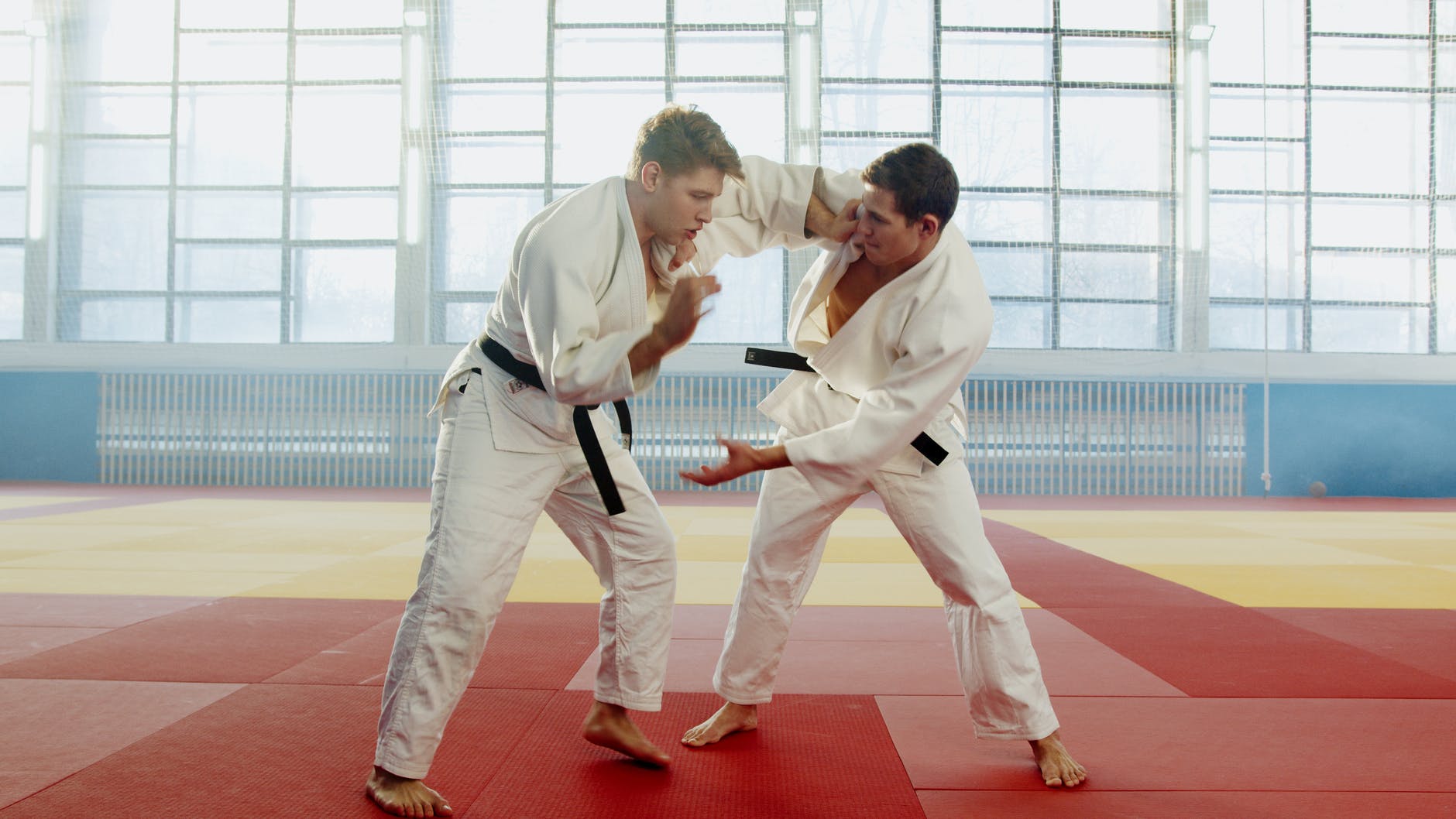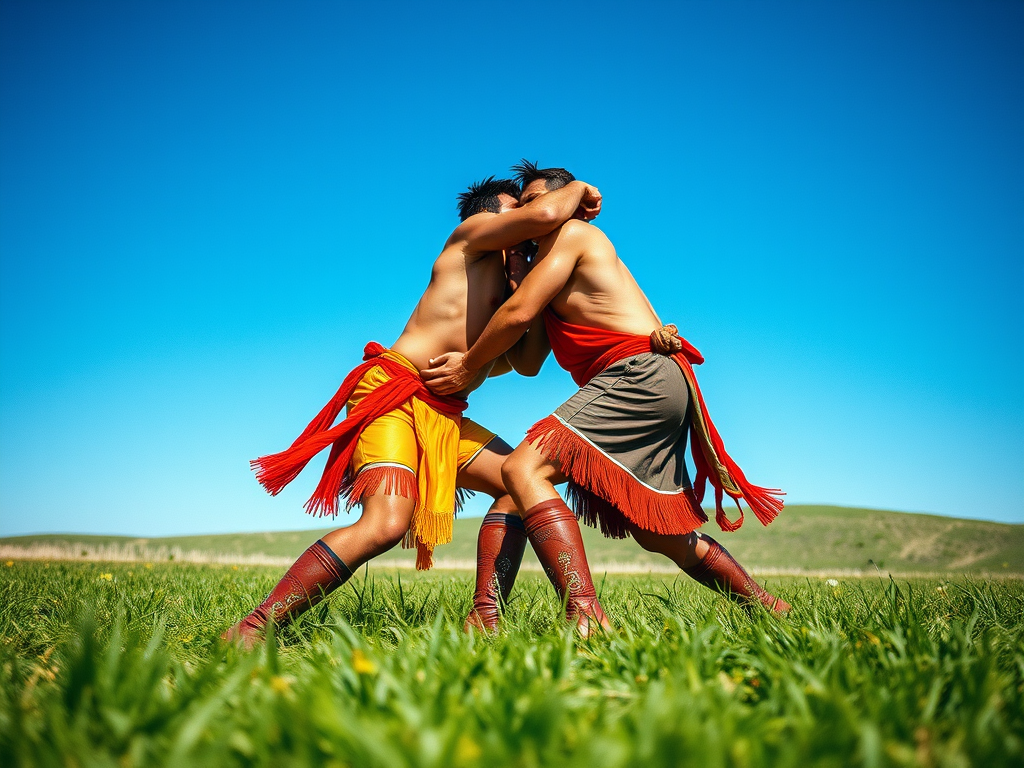
How to do takedowns and throws, in Tai Chi, Xing Yi, Baguazhang or any martial art

I came across an interesting video by Ed Hines of i-Bagua.com recently that discussed some general principles of throws and takedowns. There is some good information here, especially about dead angles, and base. Have a watch:

Of course, in my ear I can hear my BJJ friend saying it’s all nonsense, “why not just do wrestling?”, or “he’s doing zero hand fighting!”. My friend tends to think that everything you can know, or ever want to know, about throwing and standup grappling is already inside wrestling.

He probably has a point, and a lot of the clever ‘internal’ things that Tai Chi teachers demonstrate are really just found in wrestling basics, or are obvious if you do wrestling. But here’s the thing – not everybody wants to do wrestling or even can do wrestling! It’s time-intensive hard, physical work, from which you will probably get injured, and, frankly, it’s for young people, not anybody over the age of 30. Not to mention that you’ll also need to invest in a good quality BJJ mat for grappling training.

If you’re going to approach takedowns without having the time or energy required to learn wrestling, then you’re going to need a softer approach. Oh, hello internal arts.

How to defend everything

I wonder if you’ve ever seen the video “how to defend everything” by Chris Paines on YouTube? (It won’t embed, so I’ve had to link it). It’s about BJJ, not internal arts, and focused ground work, not standing, but those principles he’s expounding, I feel, are universal to all grappling, and they’ve really changed my approach to takedowns. It’s also very simple. Simple is good – simple is practical.

At 50 minutes it’s quite a long video, and some of the important points don’t happen until near the end, so I’ll give you a quick summary: In a nutshell, there are 5 parts of the human body that you need to access in at least one place to achieve a throw or takedown.

Part 1. Back of the head,  
Parts 2-3. Armpits and
Parts 4-5. Back of the knees.

(back of knee area extends down to ankle, armpit area extends down to hip).
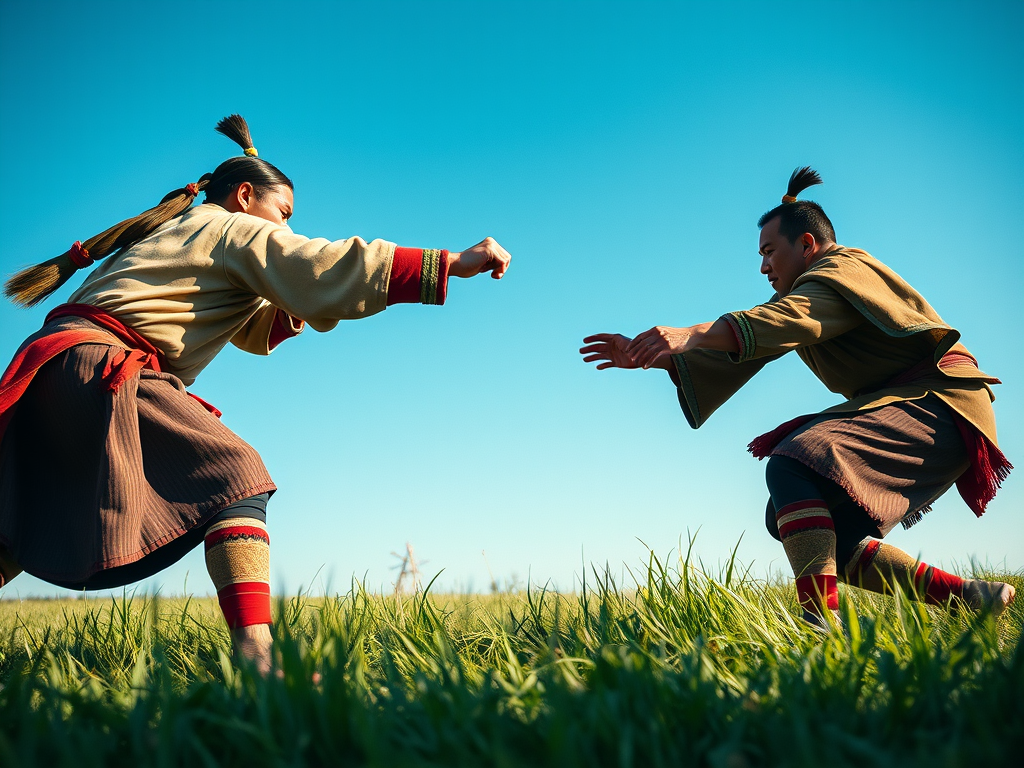
When I do takedowns I just keep looking to insert a part of my body (arm/hand/foot/head/whatever) into one of those places. I just keep spamming it as an attack. If you keep doing that then eventually you manage to ‘own’ one of those places and a takedown will sort of present itself, especially if you get more than one.

You can analyse any throw on YouTube and you’ll find that the person who did the throw got some part of their body into at least one of those places to make it happen. Now, that might mean that the model being used is too general (i.e. it covers a lot of the body!), however, I think it’s still a useful model if you want to work on defence (which people rarely do!)

If you’re doing some grappling and you get taken down, then replay what happened in your mind – you will have let your opponent into one of the 5 spaces for too long. Long enough for them to get a takedown on you. The answer to preventing the takedown then becomes about reclaiming control over those 5 points of your body, rather than trying to do some sort of pre-scripted counter to the throw.


N.B. You can look at standing on the foot as a possible exception to these rules, however… that doesn’t tend to work in a pure grappling environment, unless you also get one of the other 5 as well. Standing on a foot and striking somebody however is a different beast – it’s much more effective. It’s the same with standing wrist locks… they can work, but 9 times out of 10 they won’t – i.e. they are very low percentage, and almost certainly don’t work against experienced people. Your time is better spent trying to get one of the 5 control points. (Apologies to Aikido 🙂 )

N.B. 2 – But what about the gi or wrestling jacket? Well, think of it this way, a collar grip is simply a very effective lever to the under armpit area, so when you grip the collar, you are effectively cheating because it’s giving you easy access to their armpit area. It’s why, when we go for chokes we grip deep on the collar, under the ear, but when we go for throws we tend to grip much lower down, so that the lever to the armpit is stronger.

Anyway, some food for thought.

REVIEW: Why We Fight: One Man’s Search for Meaning Inside the Ring

By Josh Rosenblatt

Amazon link.

When Josh Robenblatt got to the age of 32 and realised he wanted to fight in an MMA match, he had to confront a lot of physical problems as well as inner demons before he set foot inside the cage. While the physicality of fighting is explored, this book is mostly about Josh’s internal struggles as a lifelong pacifist coming to terms with the casual  approach to violence that MMA engenders. For many people Josh’s exact internal struggles wouldn’t exist (especially his frequent reference to his Jewish ancestry), but in a general sense they do exist in some form in all of us, and that’s what makes this book fascinating for anybody who trains in a martial art. It’s also a rare insight into the realities of training for an MMA fight – how much training is actually required, dealing with injuries, how it affects your relationships with friends and family and what the brutal realities of weight cutting are all about.

Josh writes well, particularly when it comes to articulating his inner thoughts on the subject of dealing with actual violence, either as a participant or an observer, and the transformative, almost transcendent, power that coming to terms with it often provides. I found he had managed to put into words something I’d felt before in my own life, but never stopped long enough to really think about and verbalise. As such ‘Why We Fight’ kept my attention constantly until the end, and you do become drawn into his underdog story and intrigued to find out what happens when he finally gets into that MMA match. I won’t spoil it here.

The historical combat systems of Britain

I’m always fascinated by British martial arts, because, well, it’s where I’m from. Some of them have survived in small communities – mainly wrestling – and a lot more of it has been recreated from old manuals, which is mainly the weapons systems, which HEMA has promoted.

The most famous one is Catch Wrestling, which thanks to the famous Billy Robinson has an actual unbroken lineage from today that reaches back into the past. Billy Robinson trained in the famous Snake Pit in Wigan under Billy Riley. You can see them at the Snake Pit in this famous documentary:

Full documentary on Catch Wrestling: Catch the hold not taken:

The historical combat systems of Britain

I’d recommend giving the latest episode of the Strenuous Life Podcast featuring Oz Austwick of English martial arts a listen. It’s about the subject of British martial arts, and what we have left. Here are the show notes:

“In episode 395 of The Strenuous Life Podcast I talk to Oz Austwick, who has extensively studied armed and unarmed combat systems in England and Europe. Today we focus on the historical wrestling systems of England…

  • Cornish, Lancashire, Devonshire, Cumberland and Westmoreland wrestling and catchwrestling
  • The influence of Japanese Judo and Jiu-Jitsu on English Wrestling
  • The great Billy Robinson and his influence on Kazushi Sakuraba
  • Satoro Sayama and the birth of Shootwrestling
  • American vs British catchwrestling
  • The blending of jiu-jitsu with catchwrestling
  • Leglocks and traditional BJJ
  • And much more.”

Why you should train your martial art like a sport

“Sport” is kind of a trigger word for a lot of martial art practitioners, at least some of the ones I’ve met! So telling them they should train their martial art more like a sport usually goes down like a cold bucket of sick, but really I think they should listen.

“There are no rules on the street!”

“I train for the street, dude!”

“You mean a sport like netball, right?”

Photo by Artem Podrez on Pexels.com

When here’s the thing: Training your martial art like a ‘martial art’ is often an excuse for not working very hard and not really pressure testing anything you do.

Sport is a sweaty, dificult, thing to do that usually involves doing something pretty athletic (unless you count darts). Sport is also structured. Quite often in a martial art there is no real training methodology. People just turn up, do a few forms, practice a few safe applications against little or no resistance then go home again. The learning process can be a bit random.

I should stress, I don’t really think that there’s anything wrong with that, depending on your motivations for training, which often change as you age. Just feeling good about doing something is certainly reason enough to do it, but I think you should ask yourself, what progress are you really making? And, worse, are you becoming delusional?

Sports, in contrast, tend to be very structured. You train attributes specifically, and you engage in a focussed practice where you can drill to increase your ability in tightly defined things. Sometime those things are measured. You sit down and discuss progress with your coach. You troubleshoot and then you give it a go against somebody who is going to be uncooperative and gives you feedback. That’s real testing against nature – the sort of thing a human shaman would engage in 10,000 years ago.

Martial arts also have strange rules that sports don’t have – we have to call people odd titles like Sifu or Professor. There’s bowing and etiquette that looks strange to people outside the system. I can understand the cultural reasons for a lot of these things, but I often wonder that when these arts are put into a different culture, whether some of these things should be left behind because they’re not helpful and, in fact, can stand in the way of progress. For example, the little quirks like bowing to photos of dead guys or using a 1-2-3 clap system can gradually breed a cult-like quality of obedience that makes us stop questioning things.

I saw a brilliant video of a Muay Thai coach recently. I love the tiny details he’s giving. Muay Thai is an interesting martial art because it’s probably the most traditional martial art remaining on the planet, but it’s also a sport. It is undoubtedly effective and trained at the highest level in popular combat sports. I think there’s something to learn from that.

As I said earlier, I don’t think we need to make all martial arts into competative sports, but I think we can take elements of the sporting approach and apply it to what we’re doing, regardless of the martial art we’re doing.

Finally, the inspiration for this post is the latest brilliant episode of the BJJ Mental Models podcast to featuring Priit Mihkelson, about how to train your martial art like a sport. Give it a listen.

It’s also on YouTube: