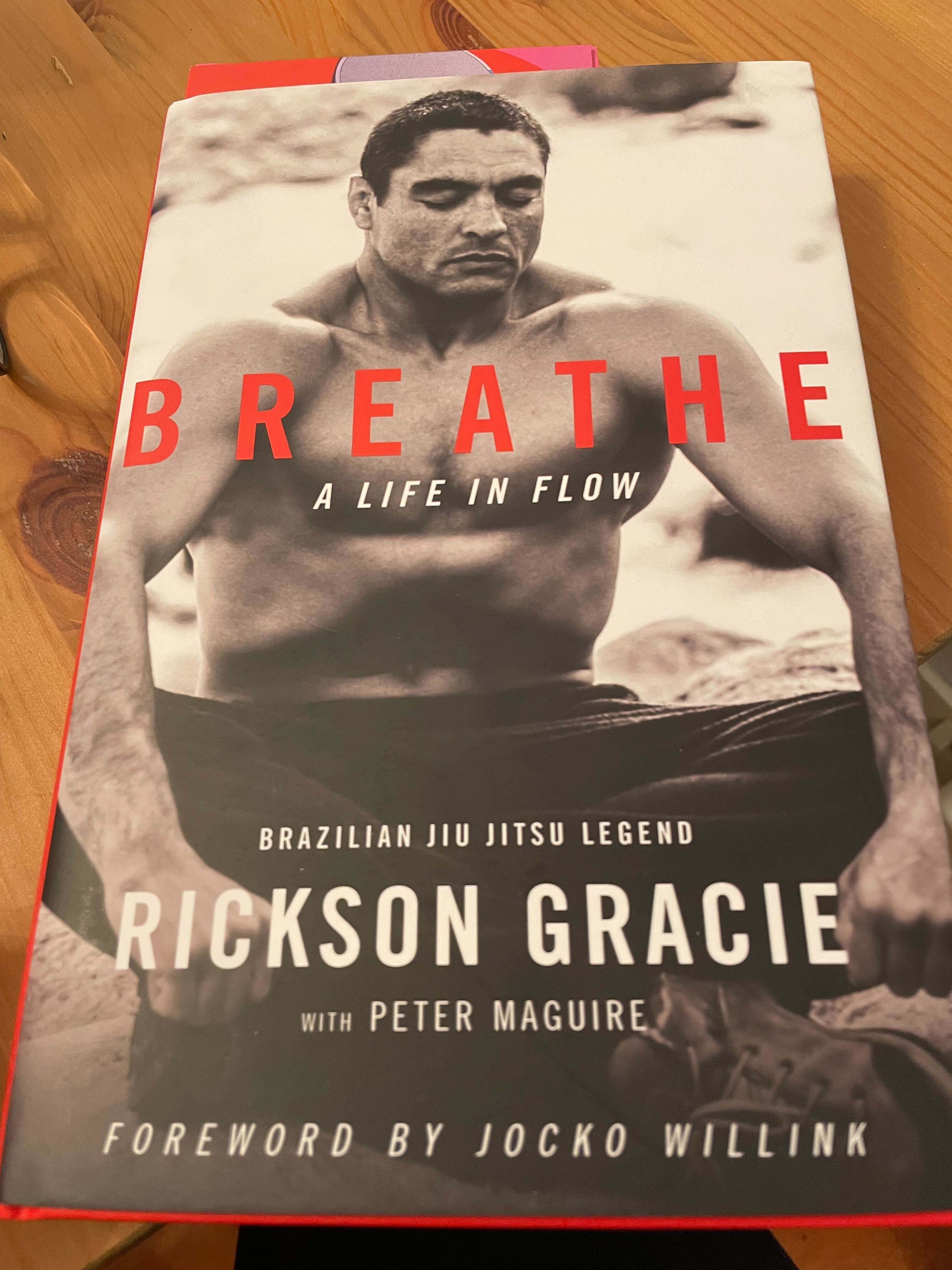
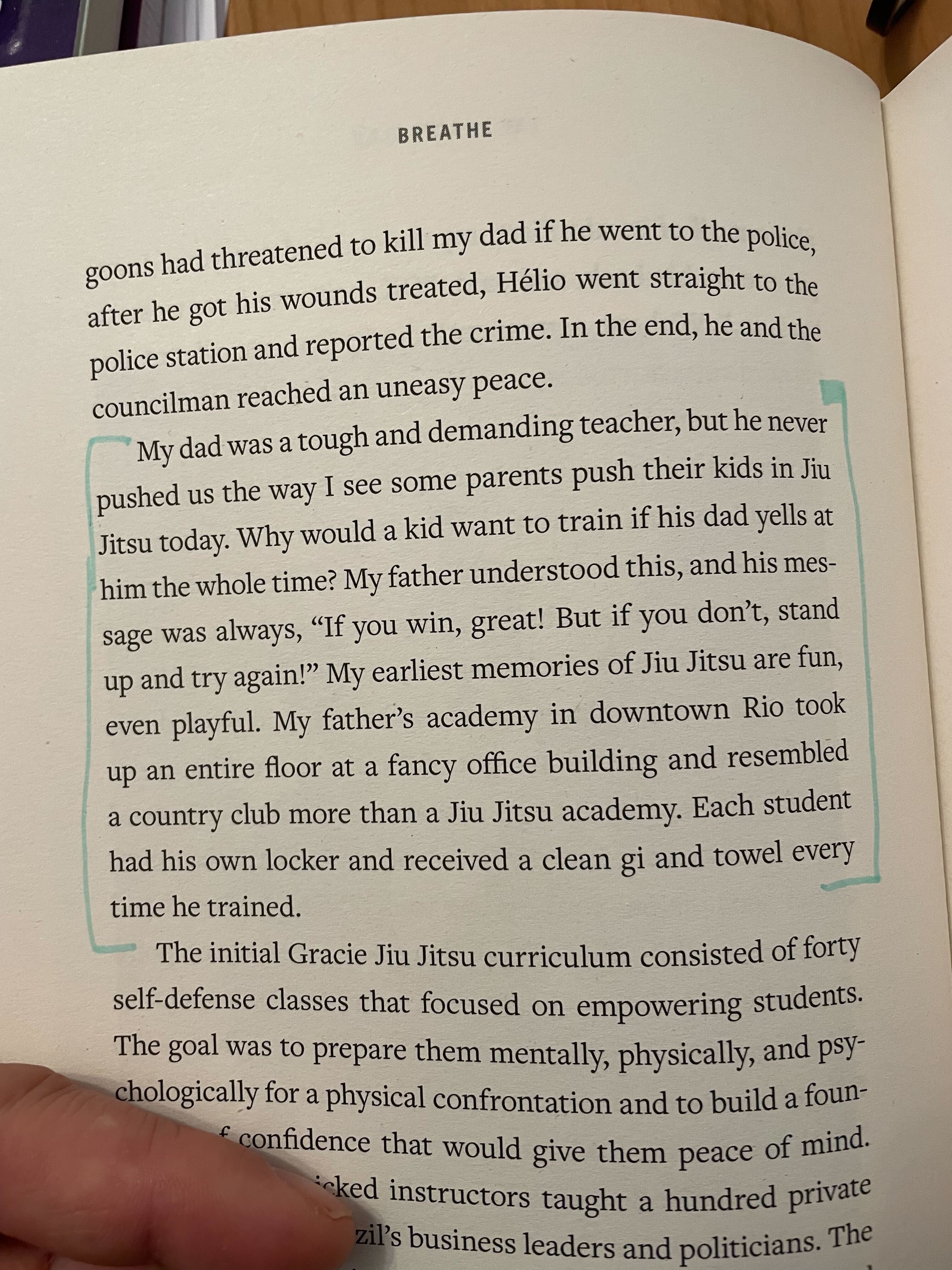
I’ve been finally getting around to reading Breathe by Rickson Gracie, which I got for Christmas last year, just before Christmas, this year 🙂 I found this paragraph near the start that resonated with me.
Over on the Heretics podcast Damon frequently talks about one of his great loves, Mongolian wrestling, and how they create the same relaxed, nurturing training environment, especially for children who start learning through games and just messing around, rather than structured lessons. The child’s natural sense of curiosity and playfulness is encouraged, not shut down, which seems to be the rule in many other ‘martial’ training systems.
The results of this type of training, is that Sumo at the highest levels is dominated by Mongolian-born Sumo wrestlers. The Japanese approach to Sumo training couldn’t be more different to the Mongolian wrestling approach, it is competitive, austere and harsh. The anecdotal evidence is that a more relaxed approach is actually better.
I’m not an expert of Sumo, or even follow it, so I don’t know, but I believe the best Sumo wrestler of all time is generally believed to be Hakuho Sho. Sho was born Mönkhbatyn Davaajargal in Mongolia. If you watch a few of his matches you can see that’s he’s a master of slipping and evading:
Another thing that sword practice does is force you to practice outside. Practicing martial arts outside is not something that’s popular in the UK. Village halls and sports centres across the land resound to the sound of a million “Ki-ah!”s, but if you practice martial arts outside you are instantly branded a weirdo.
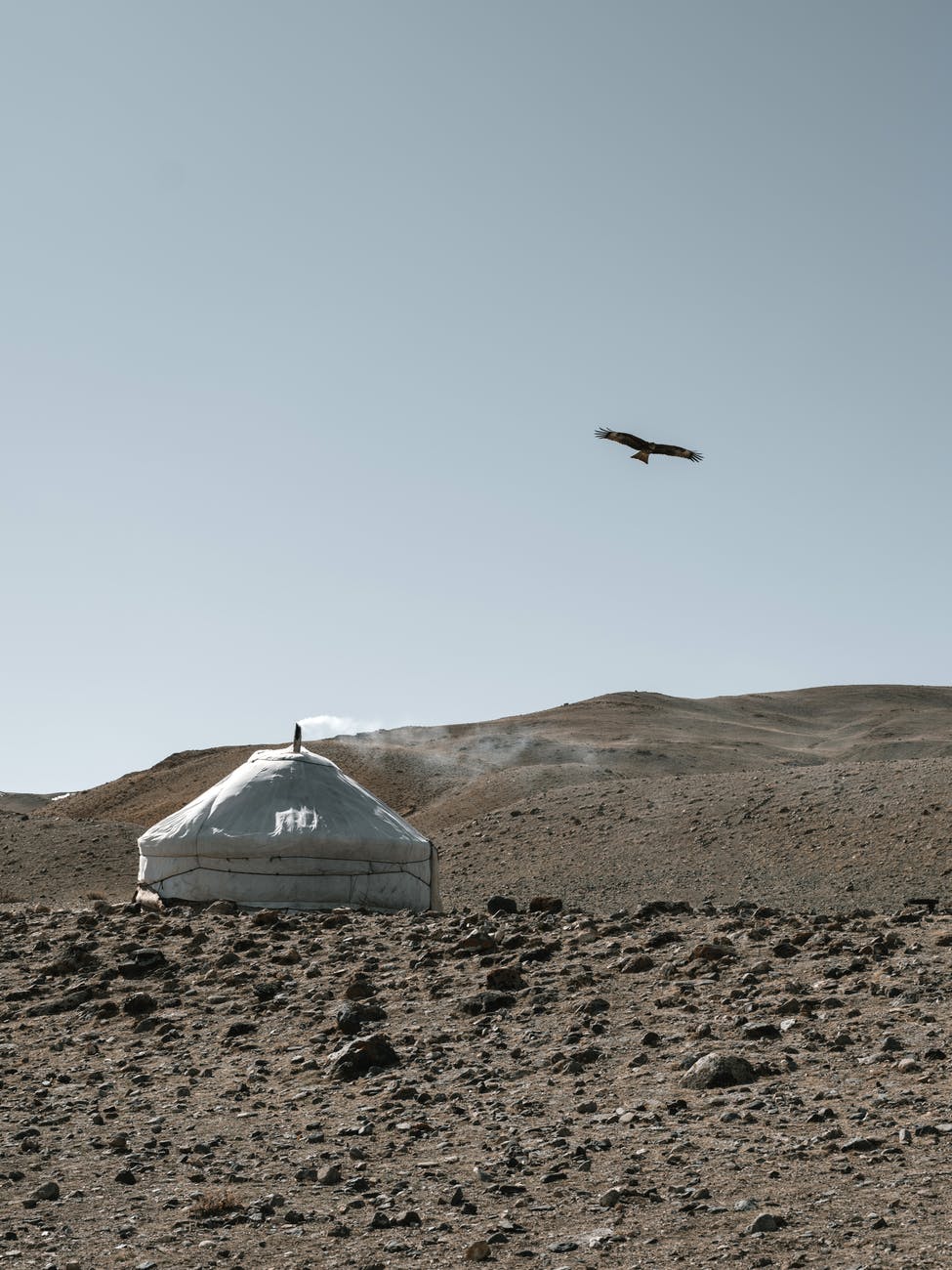
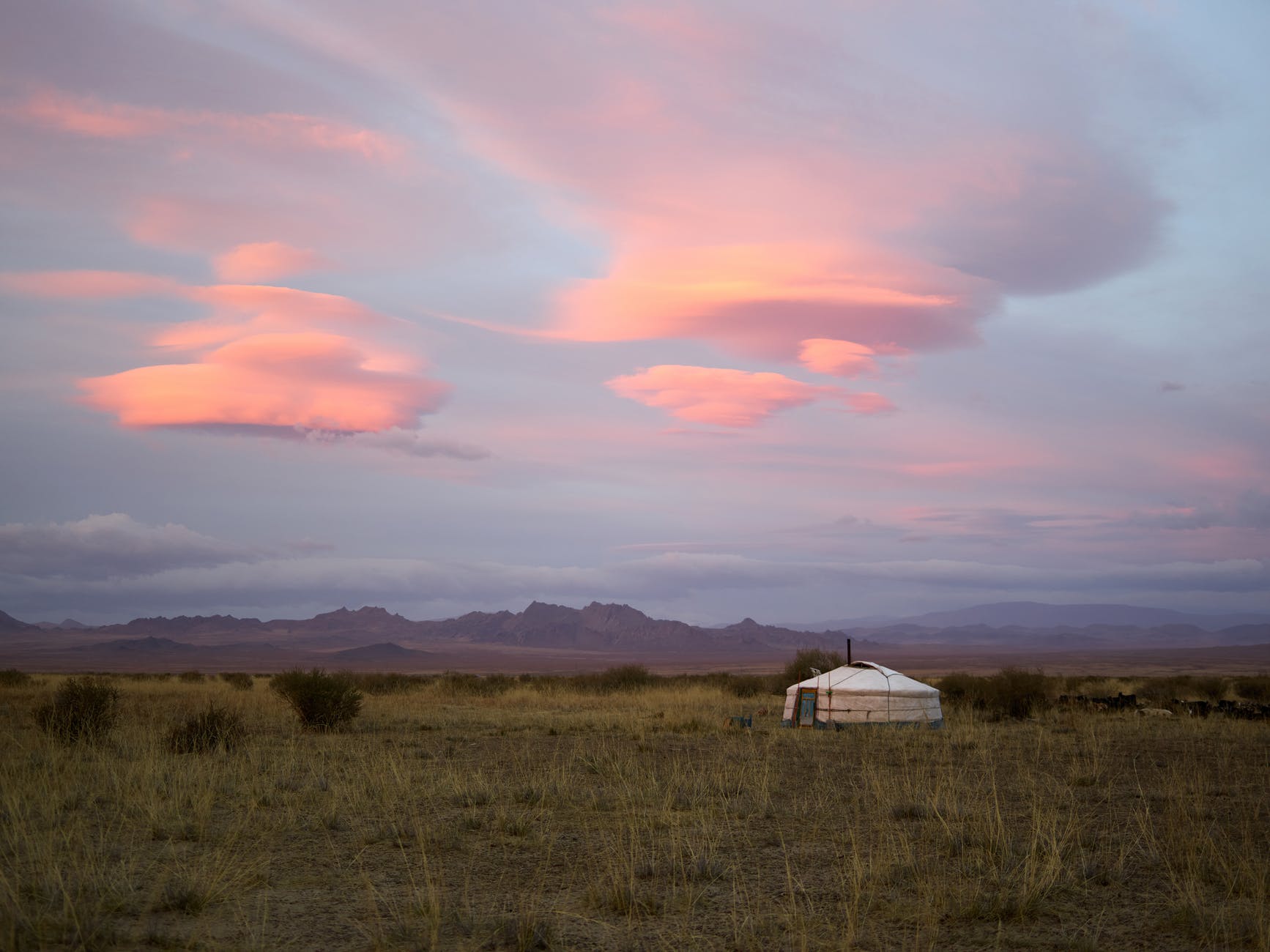
If people in the UK see you practicing martial arts outside they shout stuff at you, or do a Bruce Lee impression. It seems to be part of our culture. It’s not like this in other countries. Inner Mongolia is a great example – its indigenous wrestling culture stretches back to caveman times, and is still practiced to this day outside on the grass.
Sadly, today not only is Mongol language and culture under threat from the Chinese state, of which Inner Mongolia is a region, but wrestling itself is also under threat. As the Monogol language, identity and culture is destroyed, so people lose motivation to wrestle.
“Em adds their thoughts to this with, “Mongols all over, especially the Mongols in the grasslands and the smaller towns, are depressed and sad. There’s a hanging feeling of hopelessness. It’s made wrestling difficult to do. People aren’t motivated to train, nor are they mentally focused. Their thoughts are elsewhere, which distracts you from having that ‘feeling’ during a match. Yet, the show must go on and a few Naadam have happened recently and it’s allowed wrestlers to get back to competing, uniting, and sharing a common goal of keeping their culture alive. Wrestling is one way to do this. Winter Training began in October and there is an even greater push to spread the art and culture internationally too.””
But the outlook does not look good.
“There is no doubt that if the PRC continues its forced assimilation of Mongolian culture, that this wrestling art will become forever changed. In turn, it can also impact the competitive landscape of Sumo, Judo, Shuai Jiao, Freestyle, and others. Bökh is simply too intertwined within what it means to be Mongolian, for the sport to not feel massive ramifications from cultural turmoil and forced influences from outside traditions.”
But to get back to weapons. Weapons make you practice outside, so you discover your own connection to earth and sky. Just try swinging a sword around inside for 5 minutes and you realise why.
Of course, in the UK it rains a lot. I find that I’m ok with practicsing fast moving arts like Xing Yi sword outside in the rain. It doesn’t seem to bother me. Slow moving Tai Chi forms in the rain however are miserable, and as for Zhan Zhuang standing practice – forget it.
 The Tai Chi Notebook