I try not to do too many posts that are basically just a video, but I thought this one from Kung Fu world showing how the various parts of Chinese armour were worn was pretty good. There’s not much information provided with the video, but from looking at it I think it’s based on Song Dynasty (960 – 1279AD) armour – I could be wrong about that, but what’s interesting about it is that your average person saw this they would probably think this is Samurai armour from Japan, especially because she’s holding a sword that looks a bit like a katana.
Chinese armour really reached a peak in terms of technology in the Song Dynasty because the Chinese were fighting their most difficult opponents at the time, the Mongol army. This was the time of the folk hero General Yue Fei, who is traditionally associated with the martial art of Xing Yi and Xin Yi. Eventually the Song Dynasty collapsed and the Mongols took over, creating the Yuan Dynasty which only lasted from 1271 to 1368.
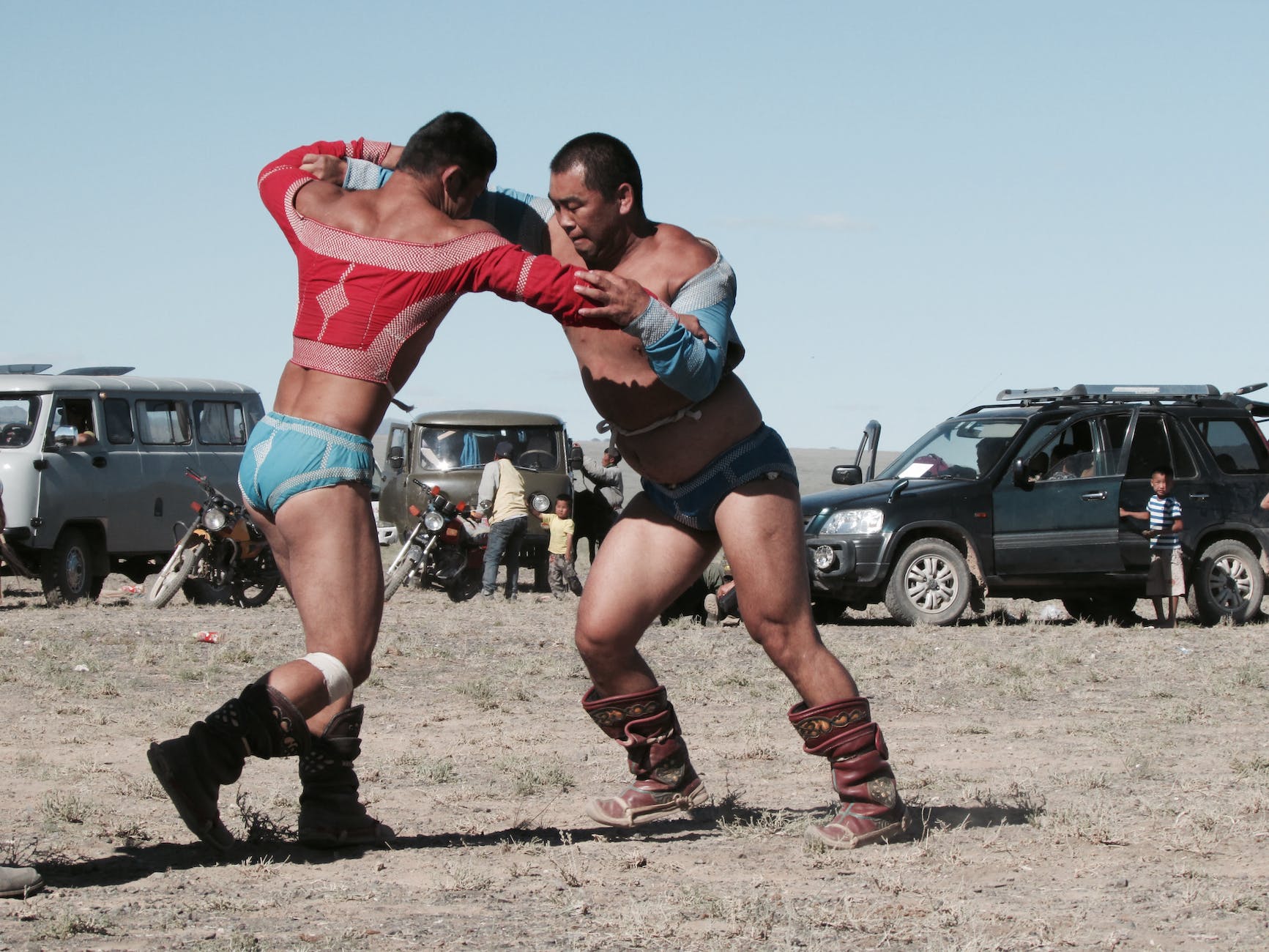
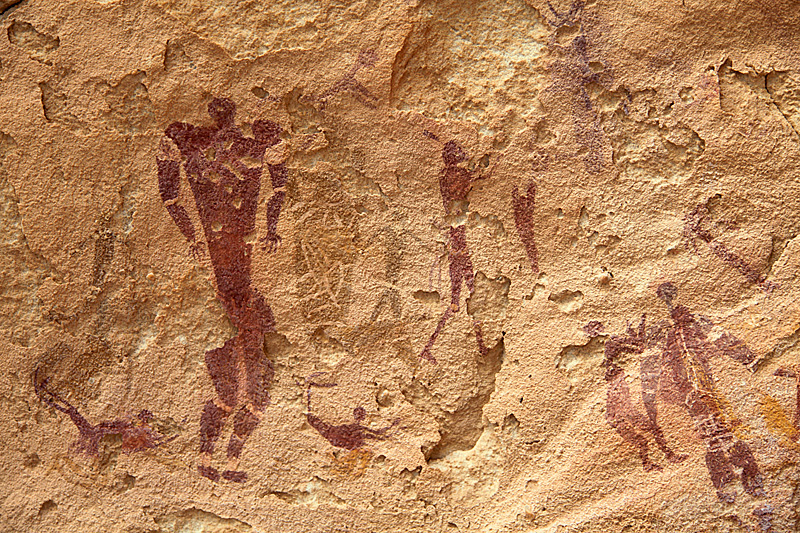
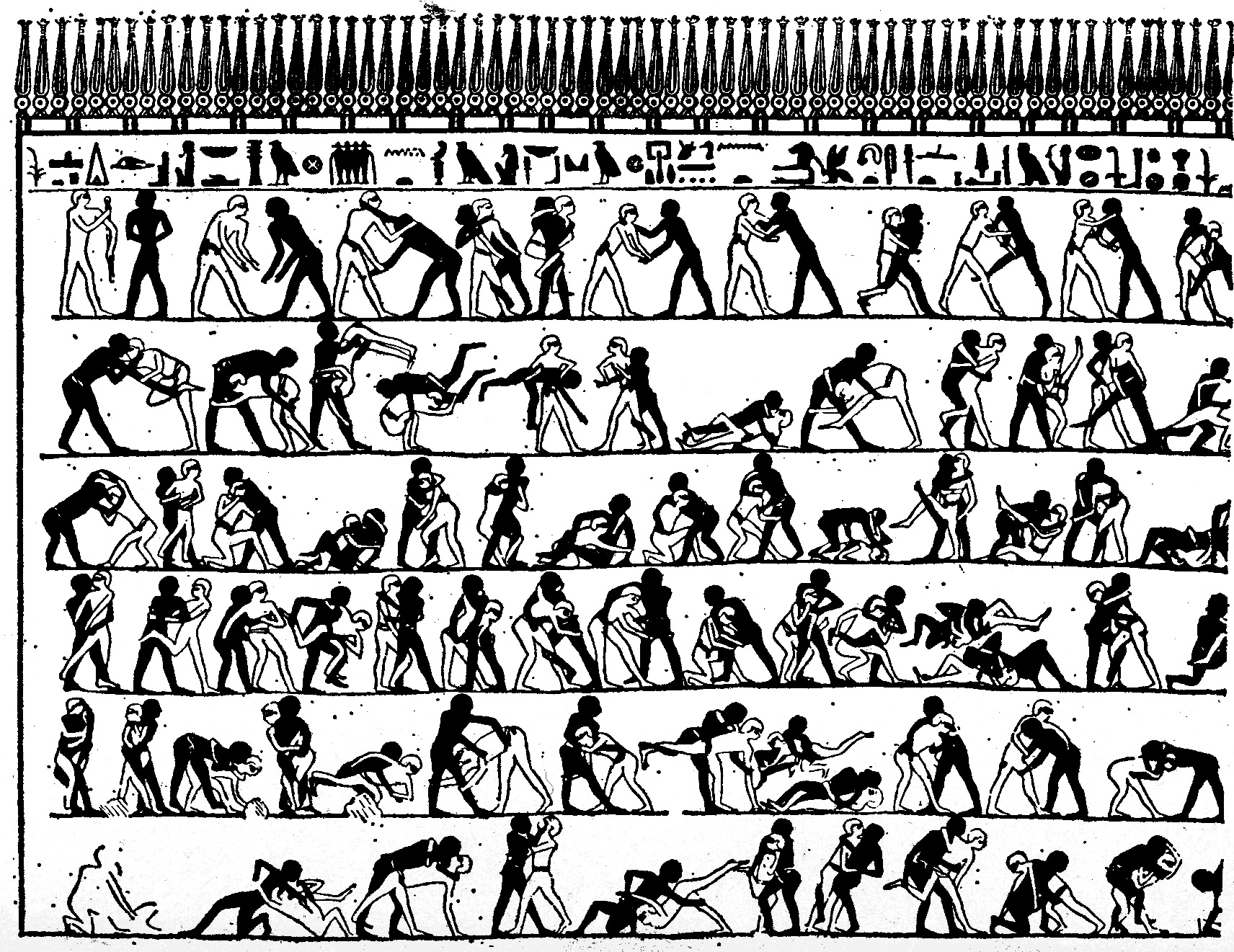
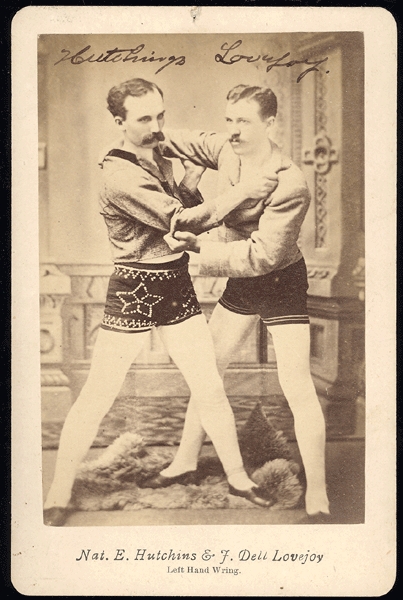
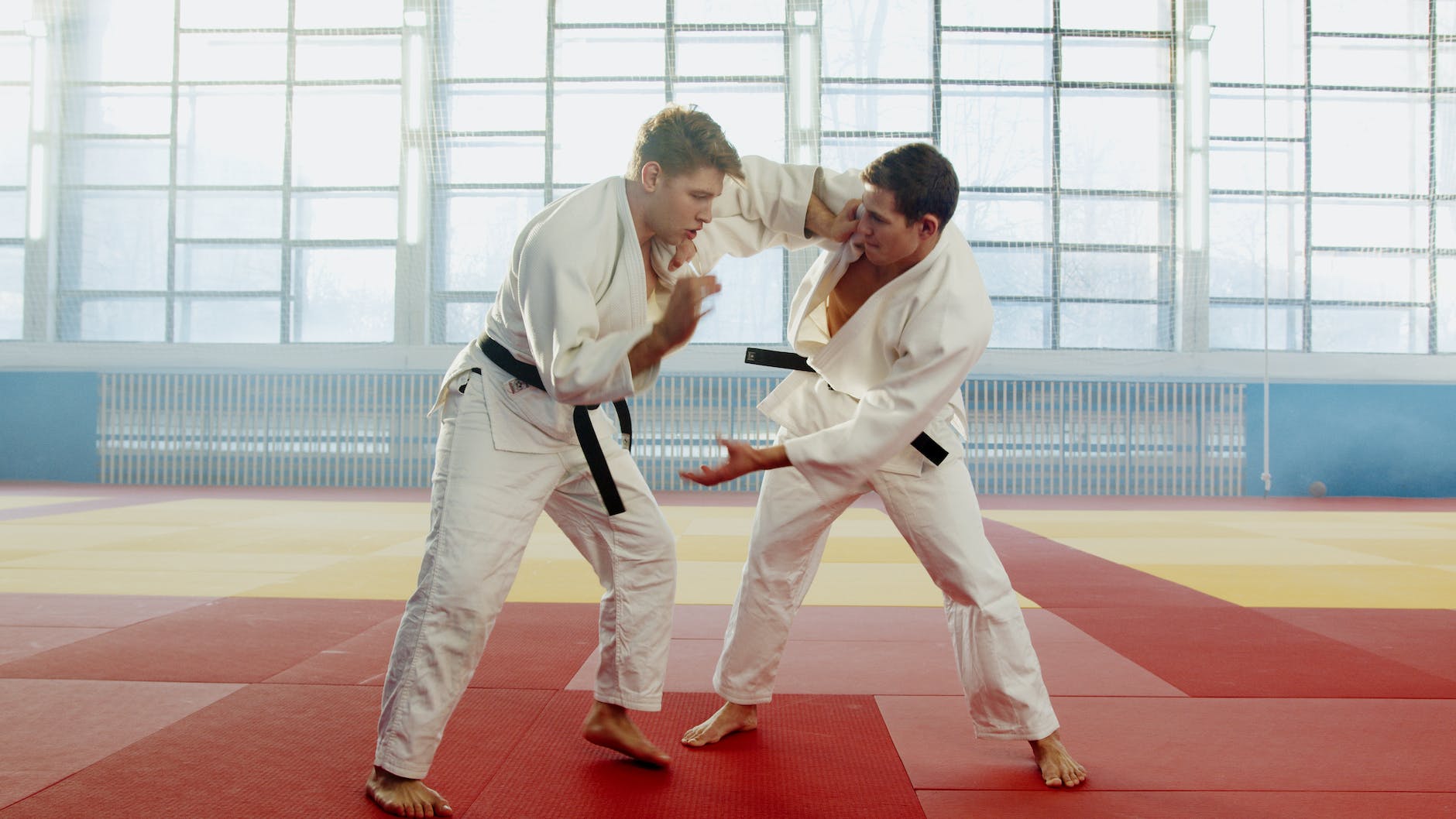
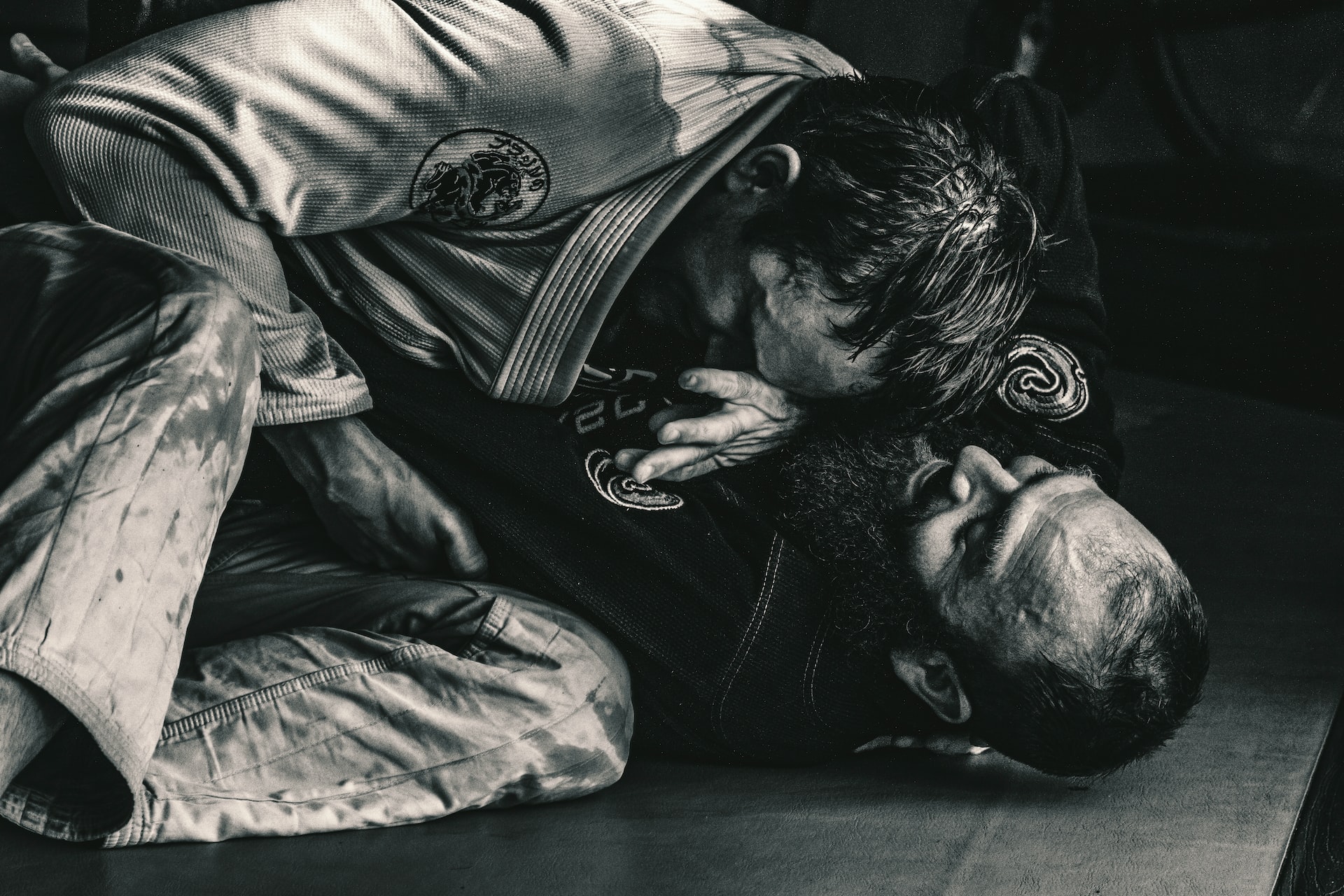
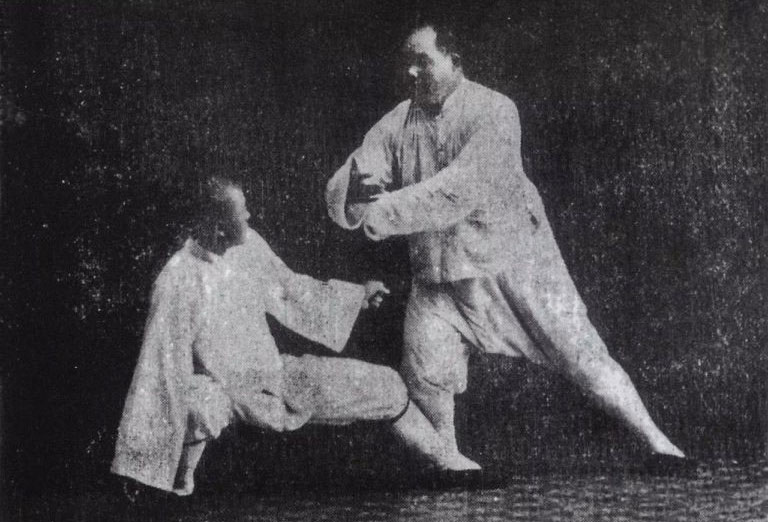
I’ve written quite a lot on this blog (and upset plenty of people in the process!) about the deep connections between performance, ritual, religion, theatre, entertainment and martial arts, particularly in the Chinese martial arts traditions. But it’s not only the Chinese martial arts that function as this one-size-fits-all container for self defence techniques, self development techniques, pugilism and good old-fashioned raucous entertainment. There are strong traditions of wrestling-based entertainment in almost all cultures. Whether it was the gladiators of Ancient Rome or the Jujitsu mania that swept early 1900s Victorian England and America alike, or the recent ADCC 2022 grappling championship with a 14,000-strong audience, for as long as men (or women) have wrestled, sparred or boxed there have been other men working out ways of getting people to pay to watch it.
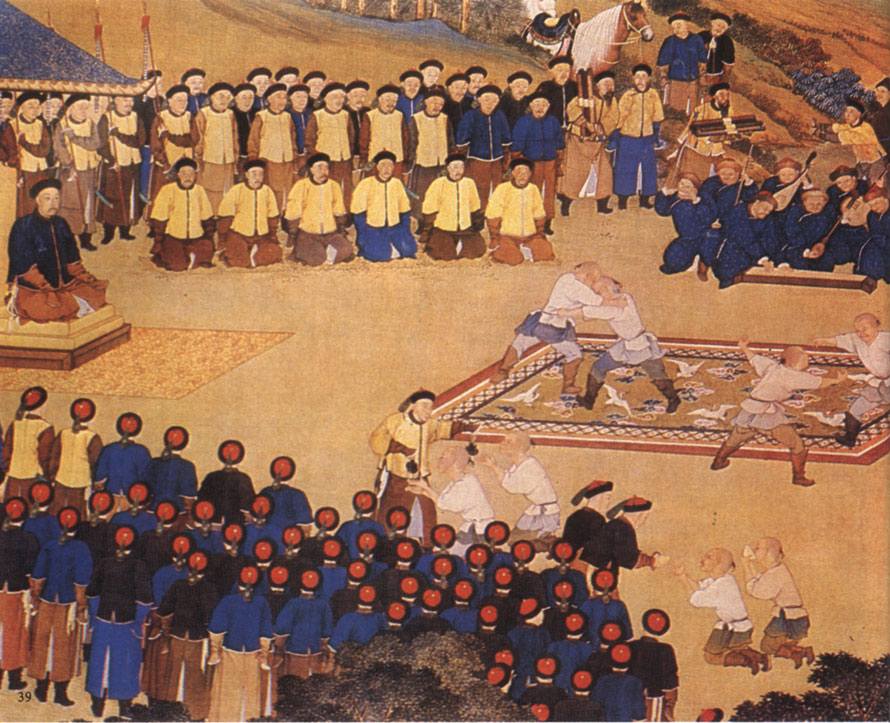
A section of Qing Dynasty (1644-1912) court painter Lang Shining’s painting depicting a wrestling contest in the royal court, performed as entertainment for the emperor.
England is no different, and so I find myself at Total Chaos, in Kings Oak Academy, a secondary school in Bristol, England, for my first visit to a real life Pro Wrestling event. I’m here ostensibly because of my 13-year old son and his obsession with WWE, which he watches almost every day, but I can’t deny I’m curious to see what all the fuss is about myself; to see what martial arts looks like when the performance elements aren’t hidden, disguised or denied, but brought to the fore and celebrated.
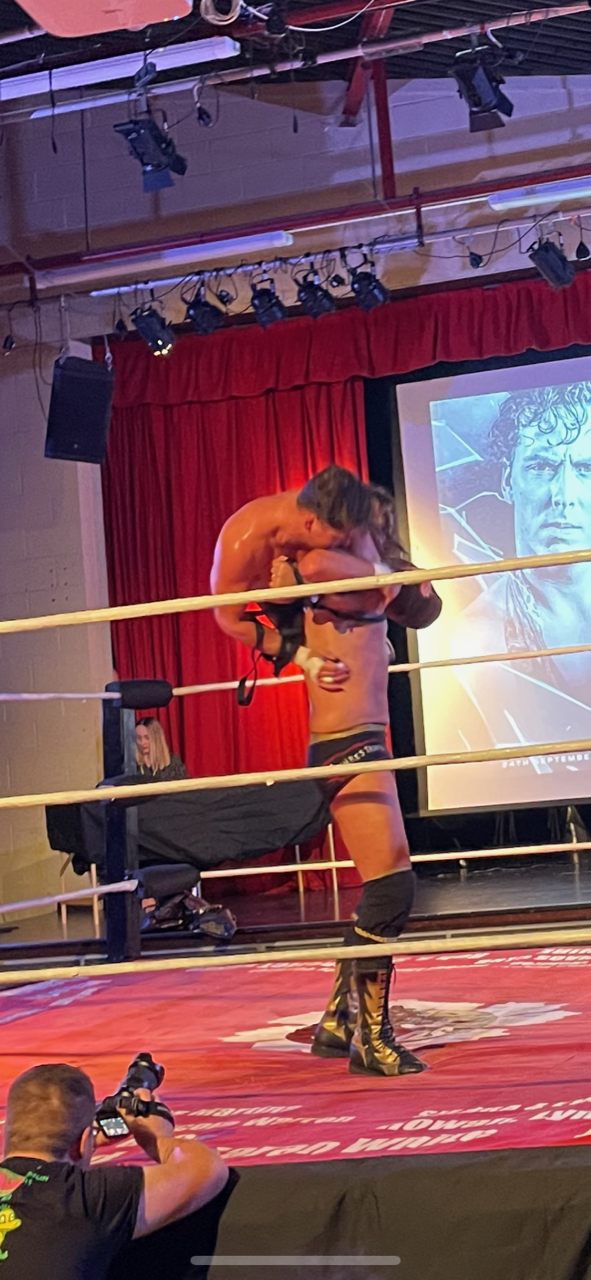
It begins: the first match is between the heel – the obvious bad guy – Tate Mayfairs – and the face, the obvious good guy, Joseph Connors. In terms of audience participation knowing who you need to boo for and who you need to cheer for takes a lot of the mental load off you, and you can just relax and enjoy it going along with the various chants that spontaneously break out amongst the crowd. In that way it’s a lot less stressful to watch than MMA, and a lot more family friendly and less bloody.
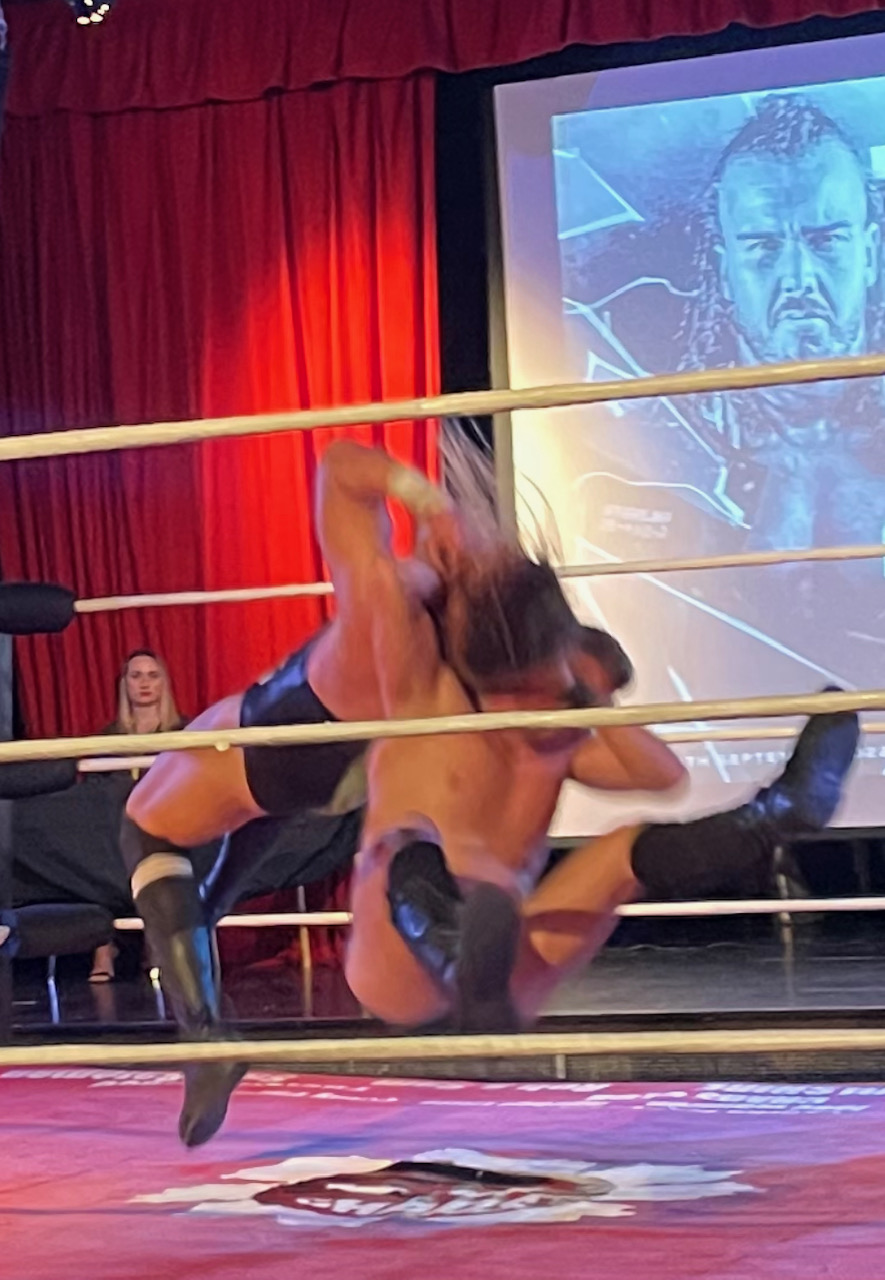
Tate Mayfairs about to be thrown by Joseph Connors
And the skill level is really impressive. Mayfairs and Connors are engaged in a ‘strap match’, in which they are tied together with a strap at the wrist which they both utilise in very technical ways that reminded me of the rope dart techniques found in Chinese marital arts.
As a child I used to watch wrestling religiously on World of Sport every Saturday morning in the 70s and early 80s, when it was on one of the only 3 TV channels you could watch in the UK. That was the era of Giant Haystacks, Mick McManus, Catweazle and Bid Daddy.
Things have come on a long way since then. Joseph Connors really looks the part of a modern day WWE wrestler: he’s lean, strong and his hair is long. Although Chris Hemsworth-lookalike Charlie Sterling who comes on next has even more hair, and even tighter pants.
There are surprises throughout the night. The central conceit of Total Chaos is that you don’t know who is coming on next, you have to see who the Chaos Generator throws out – we get to see current King of Chaos champion Danny Jones vs Mulligan (who was a properly nasty heel) in a match to be decided by who got smashed through a table first, and then there is the surprise inclusion of “Jack from the bar” a comparatively skinny teen who had been serving drinks all evening from a small hatch in the foyer. Jack gets thrown into the show to make his Chaos debut in a male vs female match against the formidable Ava White, which was great fun. The poor boy didn’t stand a chance, but what a way to go.
The Total Chaos Generator throws JACK FROM THE BAR into his Chaos Debut and the Chaos Fans are here for it!!! pic.twitter.com/Mb7x8nmQYq
There was an all-female match up with Kanji vs Rayne “Make it rain!” Leverkusen, a tag-team event featuring the DEAD SAD BOYS and, surprisingly, 3 other wrestlers, (whose names, I apologise, I forget) and then a surprise final bout – Wait! It’s not over! – as “All Wales Champion” Brendan ‘Bronco’ White storms the stage to take on Eddie Dennis. These guys really brought the house down with incredible back flips from the top ropes.
Verdict: The athleticism and skill is real and it’s fantastic entertainment. There are moments of comedy, danger, tragedy, heroism and the wrestlers put it all on the line. Throughout the show the plot line of two rival wrestling factions, personified initially by Mayfairs and Connors, is weaved and developed into a feud, building to a grudge match tag team event bringing in Danny Jones and Mulligan, that will be decided in November at the next Total Chaos event: All or Nothing. I can’t wait! I just hope my 13-year old son still wants to go, or I’m going to have to go on my own…
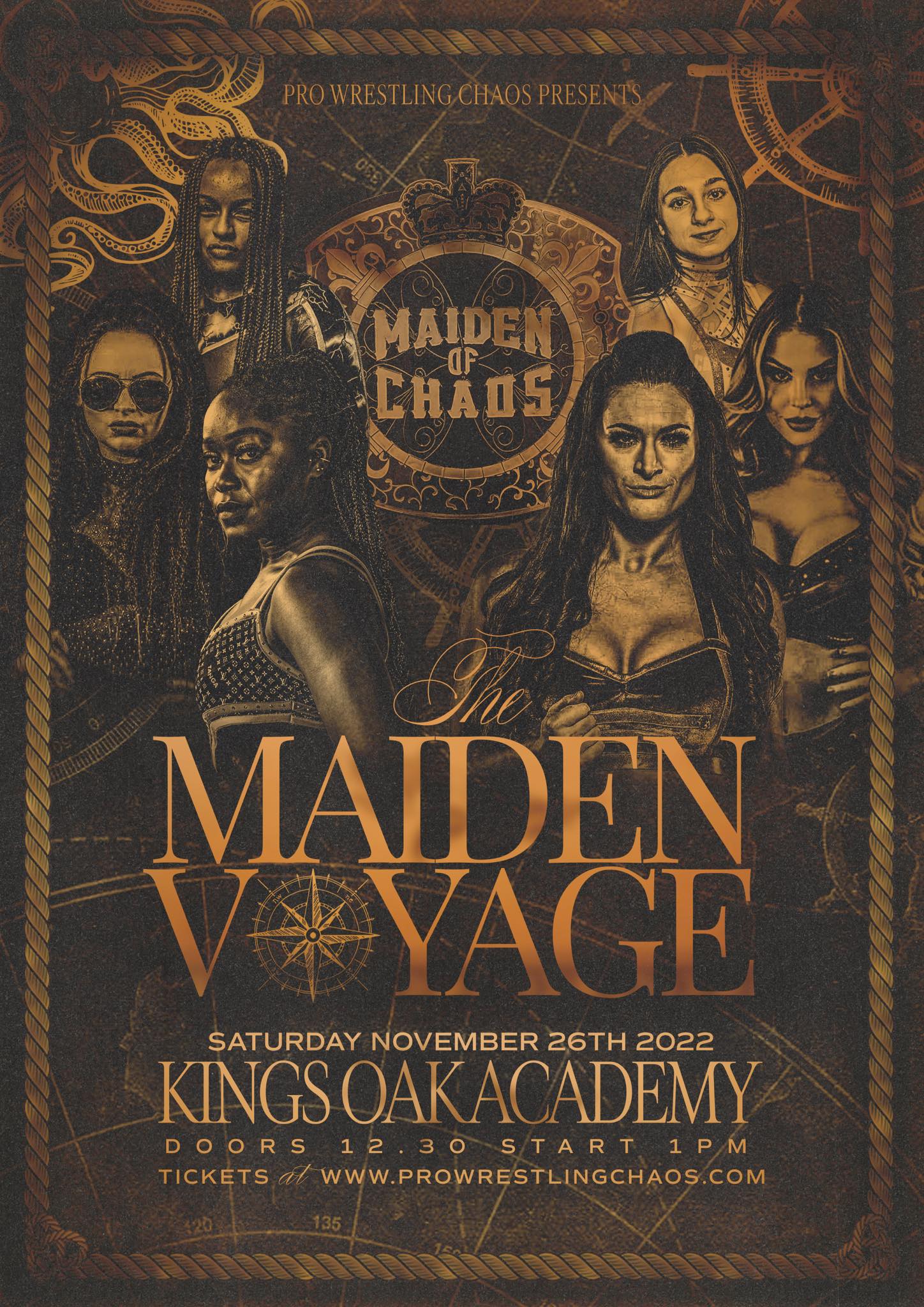
But that’s not all – there are two shows that day with the first being to decide the new Maiden of Chaos Champion. Don’t miss it!
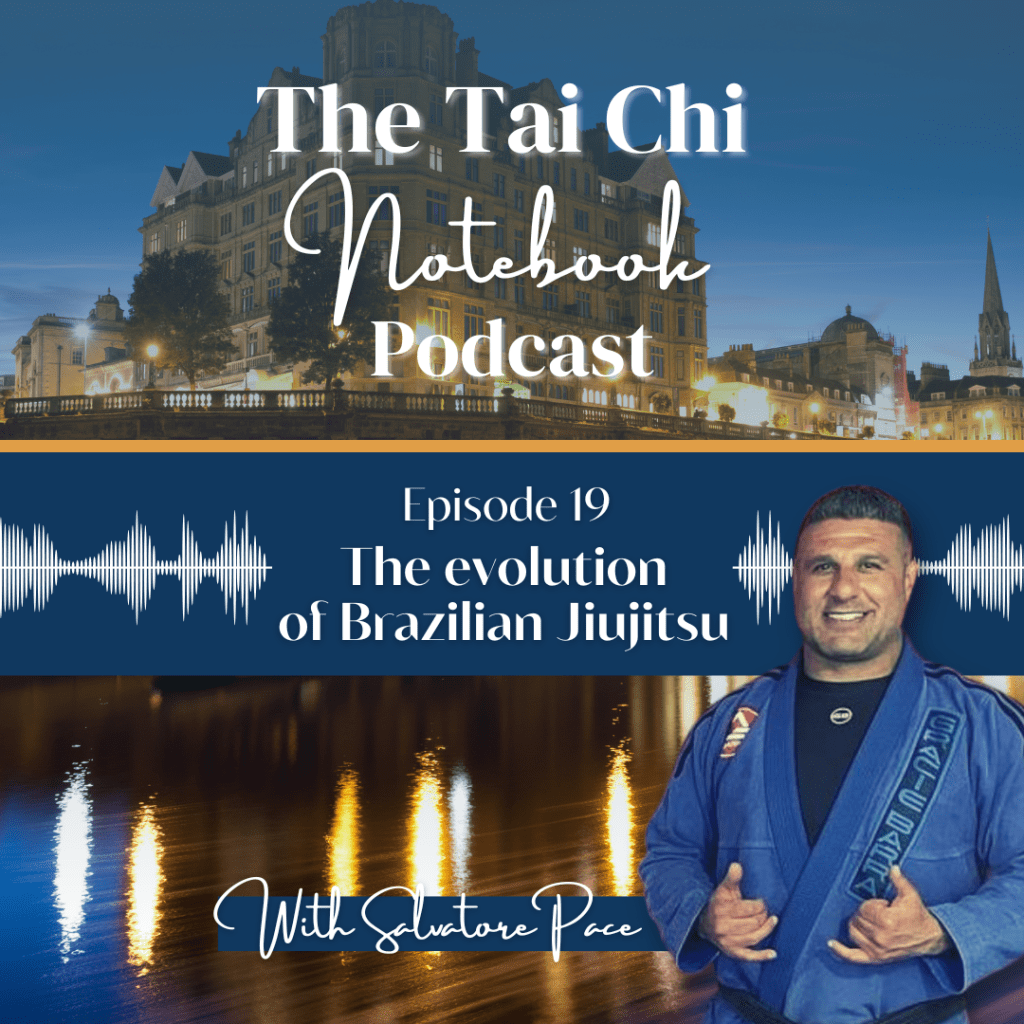
There have not been many updates to the blog recently, but don’t worry, I’ve been busy working hard behind the scenes. I’ve just recorded a great conversation with Matthew Kreuger of the Walking with the Tengu podcast. “A podcast exploring classic writings as they relate to the modern martial artist.” We covered all sorts of topics including warriorship, philosophy and of course, martial arts. Matthew is going to be my guest on the next episode of the Tai Chi Notebook podcast, so look out for that, coming sometime in October.
One of the things we talked about was how Matthew has integrated Shuai Jiao throwing techniques into the standup component of his Brazilian Jiujitsu training. This is a really interesting approach, as you typically see BJJ integrated with wrestling or Judo, but mixing it with the stand up Chinese jacket wrestling style is not something I’ve seen before.
Shuai Jiao contains a lot of solo exercises for conditioning the body, and my ears pricked up when Matthew said that these exercises had really helped him with a back injury that had dogged his training.
Matthew has been a studying from the online school of Sonny Mannon, co-founder & Head Trainer for Guang Wu Shuai Jiao. I looked him up and found this basic introduction to Shuai Jiao warm up exercises video that he did in 2020.
Having just followed along these exercises I can see how they benefit the waist, core and lower back area. But also the flexibility in the legs – my hamstrings and calf muscles were particularly stiff the day after! That video follows on into this one, which is about ‘belt cracking’.
Belt cracking is less about stretching and more about developing that explosive shake that you see in a lot of Chinese martial arts, sometimes called Fa Jin. It’s interesting stuff, but in Shuai Jiao you’re generally not trying to hit with it, you’re using it to disrupt the opponent’s structure to create openings. You can see some applications of it on Sonny’s Instagram account:
We’ve just had the Olympics of grappling, ADCC 2022 and as always, there were some great matches. Unsurprisingly, Gordon Ryan dominated the 96kg+ division. He just walked through every high level opponent they threw at him, even finishing Andre Galvao in the Superfight and making it look easy in the process.
Here’s his quickest (11 second!) victory on his way to the final!
Despite Ryan’s absolutely horrible social media personality, it was refreshing to see how calm and respectful he was to his opponents on the mat. Even when Galvao resorted to dirtier tactics, like slapping him, Ryan didn’t get angry. He just laughed.
For me the Kade Ruotolo was a standout this year – he submitted all his opponents on his way to the 77kg crown. That’s a 100% submission rate on his first attempt. And he’s only 19, making him the youngest ever champion, and he’s 100% natural (i.e. no juice). I really enjoyed his match with Lachlan Giles especially because it was a perfect match up of guard player vs guard passer. The finish picked up some criticism because it looked like Kade was kicking Lachlan in the face to secure the armlock, but meh, Lachlan didn’t seem too upset about it, so it can’t have been that bad. See what you think:
Shout out to Ffion Davies who becomes the UK’s first ADCC champion. A great results for the UK and for Wales.
ADCC runs trials all over the world for people to qualify and is open to everybody who does any form off grappling, but once again no Tai Chi players made the finals…
Let’s be honest though, the only people who made it to the finals were Brazilian Jiujitsu guys and girls, because the rule set is designed to favour them. Nobody stands you up if you end up on the ground and almost all submissions are legal. Obviously, despite Push Hands being a form of grappling there is no Tai Chi on the ground, and leg locks aren’t part of the art.
Once again, I think it’s worth noting that if you want to be a well rounded martial artist, you really need to address the ground aspect otherwise there will always be a massive hole in your game.
Recently I’ve been training a lot of a short drill-like form that Phil Duffy taught me years ago. It’s a little sequence that contains about 8 or 9 basic Choy Li Fut techniques (depending on how you count them) and runs in a loop so you can just keep doing it over and over. If you wanted a good introduction to Choy Li Fut, that’s it. There’s pretty much everything you need in there to get proficient at something that at least resembles Choy Li Fut. There are no complicated animal methods or anything too fancy, just practical blocks, deflections and strikes done in a CLF style and using the basic Choy Li Fut stances.
And then I started wondering about what it would be like if a person only ever practiced that little form, but drilled it intensely every day over and over and also spared the techniques for a year. I wonder how good you could get if you just did that? I think you’d actually get pretty good! You’d need other conditioning drills, of course, and stretches, but you’d definitely have the essence of something.
And that got me thinking about the whole concept of simplicity in martial arts. Quite often we make martial arts overly complicated, especially in Chinese internal styles. There are basics to master first – fundamental principles of body movement, posture and breathing, that all need to be coordinated together with the internal elements like mental intent, jin and calm focus, etc. Then there are long forms to master, and then other forms on top of that. And that’s not even touching on the techniques you need to master. And push hands and weapons forms. It just goes on and on. It’s like Tim Cartmell said in our recent podcast conversation (and I’m paraphrasing him here) “in some of these styles you do so much body work that you forget the other guy is actually going to throw a punch!”
The heavy sparring emphasis I’ve experienced in BJJ has taught me that martial techniques can’t be too complicated if they’re going to stand a chance of working when the rubber hits the road. A six move combo to sweep somebody, pass their guard and choke then out is pretty unlikely to work in sparring just the way you drilled it in practice because no plan survives contact with the enemy. What works in real life are techniques and strategies that hit that sweet spot somewhere between the level of “too dumb” and “too complicated”. Those sorts of techniques, drilled to become second nature, have a real chance of working when you need them to. That’s the simplicity you want to aspire to in martial arts, and to me that’s the real power of martial arts like Choy Li Fut – they have enough subtly to make them interesting, but not enough to make them too complicated and impractical.
When I get time over the weekend I’m going to film my little mini Choy Li Fut routine and put it in the Patron’s area, so you can check it out there.
I’ve been involved in a lot of discussions recently (and for years!) about what in Chinese martial art is fantasy and what is real. Realness, keeping it real, being truthful, whatever you want to call it, it is seen as a big deal. The question of the essential realness of a technique, a style or a whole person’s lineage, cuts to the heart of the matter, always.
Discussions of these types have flourished along with the growth of online video and the means to talk about these videos online. These discussions usually go along the line of:
1) A famous practitioner puts up a clip of himself (it’s usually always a male) demonstrating something visually impressive on a student. The purpose of the clip is self promotion for fame or seminars or online teaching material. Maybe they show a student go flying through the air from the lightest of touches, or they resist a strong push without any visible effort – you know the sort of thing.
2) Somebody comments and goes – “that’s bullshit!”
3) All hell breaks loose in the comments section between rival sections.
I can understand the strong urge to want to point these things out. I get involved in these things too. Sometimes I see something that is such obvious nonsense I can’t help but point it out. It’s like this old XKCD cartoon that is funny because it’s true:
The argument is logical: There are so many good things in Chinese martial arts and the fantasy stuff is damaging to that. And it’s therefore up to us to call out the fantasy, not accept it. If we don’t then we just invite ridicule, especially from other martial artists.
However, even when that attitude is adopted I see people tend to be more interested in calling out the fantasy stuff that other people do, or that is in other styles, not their own! And never in anything they do themselves or their teachers do. We all have our own blind spots and biases.
But I’ve been thinking differently about this issue recently…
When you look into the close connection between martial arts and street theatre, or opera troops and (as technology progressed) Kung Fu movies, it’s impossible not to conclude that showbiz (for want of a better word) has always been connected in some way with Chinese martial arts from the very beginning.
That doesn’t mean that Chinese martial arts masters of old weren’t bad ass. They were bad ass! But they also knew how to perform Lion Dance, or put on a show at New Years, or impress a prospective student with a. few tricks if they had to. These things were so interconnected in Chinese culture that it seems impossible to separate them (although successive Chinese governments gave it a good go throughout the 20th century).
Showbiz has always been there in Chinese martial art. It’s what makes amazing movie fight scenes like this one from The Grand Master possible:
Beauty, artistry, story telling. It’s all there. It’s using “real” techniques from martial arts and presenting them in a hyper-real, perfected, way.
Of course, the problem comes when people get conned into believing that the hyper-real is the real and that can take people to some very weird places, involving cult-like practices, exploitation and usually a lot of money being handed over. That’s where the problems start for me.
There are no easy answers, but I think that viewing some of these things that are not quite real as merely a part of the showbiz side to Chinese martial art, is perhaps an easier way to deal with it.
For instance, what is going on in this clip with Chen ManChing bouncing people around?
I can imagine a lot of Chen style Tai Chi people getting upset about that, as the sort of nonsense that doesn’t tend to happen in their style… and yet, what’s going on in this clip:
Is it as bad? Is it worse, even?
I don’t know.
It might just be easier to look at both these clips say,
“It’s just showbiz”, and shrug your shoulders and laugh.
My guest in this episode will need no introduction to anybody who trains in the Chinese styles of Xing Yi and Baguazhang, especially in the United States. Tim Cartmell is a lifelong martial artist who spent many years living in Asia learning the internal arts, before heading back to the US where he took up BJJ, becoming a black belt. Tim is now the head jiujitsu coach at Ace Jiujitsu Academy in Fountain Valley, California where he teaches classes and trains professional MMA fighters. https://www.acejiujitsu.com/
In this podcast I ask Tim about his training tips, especially for older martial artists, where he thinks martial arts is going in the future and his approach to combining all the arts he knows into a single principle-based, reality-driven approach.
You can find out more about Tim at his website www.shenwu.com and don’t forget to check out the Shen Wu Martial Arts group on Facebook.
I hadn’t talked to Tim before this interview, but many of the people I’ve had as guests on my podcast have rated him highly, and now I know why – for somebody with so much experience of martial arts Tim is a very humble and genuine guy, as I hope you’ll discover over the next hour or so.
You can support The Tai Chi Notebook Podcast by becoming a patron. Head over to www.patreon.com/taichinotebook and become a patron today! You’ll get a version of the podcast you can download, exclusive video clips and articles.
Congratulations to the UK’s Leon Edwards for becoming the new UFC Middleweight Champion of the world with his stunning head kick victory over Kamaru Usman. After a great first round Edwards was clearly losing on points having been dominated by the champion in each round since, but in the fifth and final he pulled off a near perfect head kick as you’re ever going to see, sending Usman crashing to the canvas and making him the new champion.
As the photos show, he set it up with a left that tells Usman to dip his head to the right, but that kick is already coming and it’s all over.
1. Feint the left.2. Usman dips his head.3. Kick connects!
Bagua and Xing Yi are two styles that have historically been trained together. The story you usually read is that martial artists living in Beijing in the 1900s rooming together found the two styles to be complimentary and therefore a long history of cross training naturally arose between them. I think this description of history is true, however, I often wonder if the real story is that earlier in time the two styles sprang from the same source, so this period was more of a reuniting of styles than two separate styles meeting?
Xing Yi Beng Quan
We speculated about the origins of Baguazhang before in the Heretics episode I did with my teacher. That one seemed to upset a lot of people, especially those were emotionally invested in Baguazhang, but hey it’s not called the Heretics Podcast for no reason! You’re going to get an heretical view of things there, and that will always upset people. Perhaps we should have put a big disclaimer on the front! If you’re going to listen to it, we’d suggest emptying your cup first. But anyway…
If we forget historical lineage questions for a moment and just look at the arts as presented today, it’s not hard to see a connection between the two. The stepping is very similar. Xing Yi normally steps in a straight line, but once you look at the turns at the end of each line you start to see what is clearly the same sort of stepping that is used in Baguazhang’s circle walking.
I think this is a very good video by a martial artist called Paul Rogers explaining how Bagua circle walking is basically two steps – an inward turning out step bai bu (inward placing step) and kou bu (hooking step).
Notice that his student is asking him questions about why they circle walk in Baguazhang and he keeps returning to the same answer, which is “you could do it in a straight line”. The problem with doing things on a straight line is that you need a lot of space, doing it in a circle helps you make more efficient use of whatever space you have. So, it’s the steps that are important, not the circle.
Here’s a short article about the two steps and their usage in Baguazhang. Plenty of styles of Baguazhang do have straight line drills too. And when you take the circle walking away, I think the connection between Xing Yi and Baguazhang starts to become clearer, at least to me.
In the Xing Yi lineage I’ve been taught the animal that most looks like Baguazhang is the monkey. These days Xing Yi is know for short little forms (or Lian Huan: “linking sequences” -as we prefer to call them) however I believe this is a result of years and years of politically-directed reformations being applied to the rich and varied martial systems that existed before the Boxer Rebellion. After the Boxer Rebellion and the religious secret societies that fueled it, there was an effort to strip martial arts away from any religious connections. Then came the Kuo Shu movement (we’re simplifying history here, but several authors have written about this – have a look on Amazon, and this video from Will at Monkey Steals Peach will help) and then the Communists arrived with the WuShu movement. The result was that the rich and varied lineages of Xing Yi became standardised, often into short sequences that could be easily taught to large groups. In any case, the idea of set sequences doesn’t have to be the be all and end all of martial arts. Some teacher encourage students to create their own, once they have a good enough understanding off the principles.
We have an extended linking sequence for Monkey, taught to me by my teacher. Here’s a video of me doing a fragment of it, being a Xing Yi Monkey in a forest grove. My natural home :). I’ll put the full video in my Patron’s area if you want to see more of it.
But look at the steps I’m doing – can you see the bai bu and the kou bu? I think that if I added circle walking into that it would be almost indistinguishable from Baguazhang.
This begs the question, which came first? Xing Yi is historically older than Baguazhang, but I think because of the mixing of the arts, they both influenced each other at this point, and possibly are the same art to begin with!
I like to think of the best answer to the terrible question that plagues martial arts lineages of “which is oldest?” is “right now, we are all historically equidistant to the founder”.
I’ve always liked the turtle position in BJJ. It’s supposed to be a position that you don’t go to voluntarily, however, I’m quite happy there and I find there are good opportunities for sweeping your opponent. This is one particular sweep I’ve always liked doing.
It’s off the opponent’s attempted toreando pass. They grab your gi pants at the knee, ready to toreando. You hold both sleeves, so you can adapt to whichever side they go to. Once they move a side is chosen, you turn away from them and stiff arm the sleeve that’s now your top arm. Your bottom arm starts building a base from elbow to hand and gets you into turtle right underneath them. You then wrap the stiff arm around your body and execute a shoulder throw from your hands and knees. In most cases it’s a pretty easy sweep and they go head over heels and land on their back. If the armbar is available then take it, otherwise side control is there for the taking.