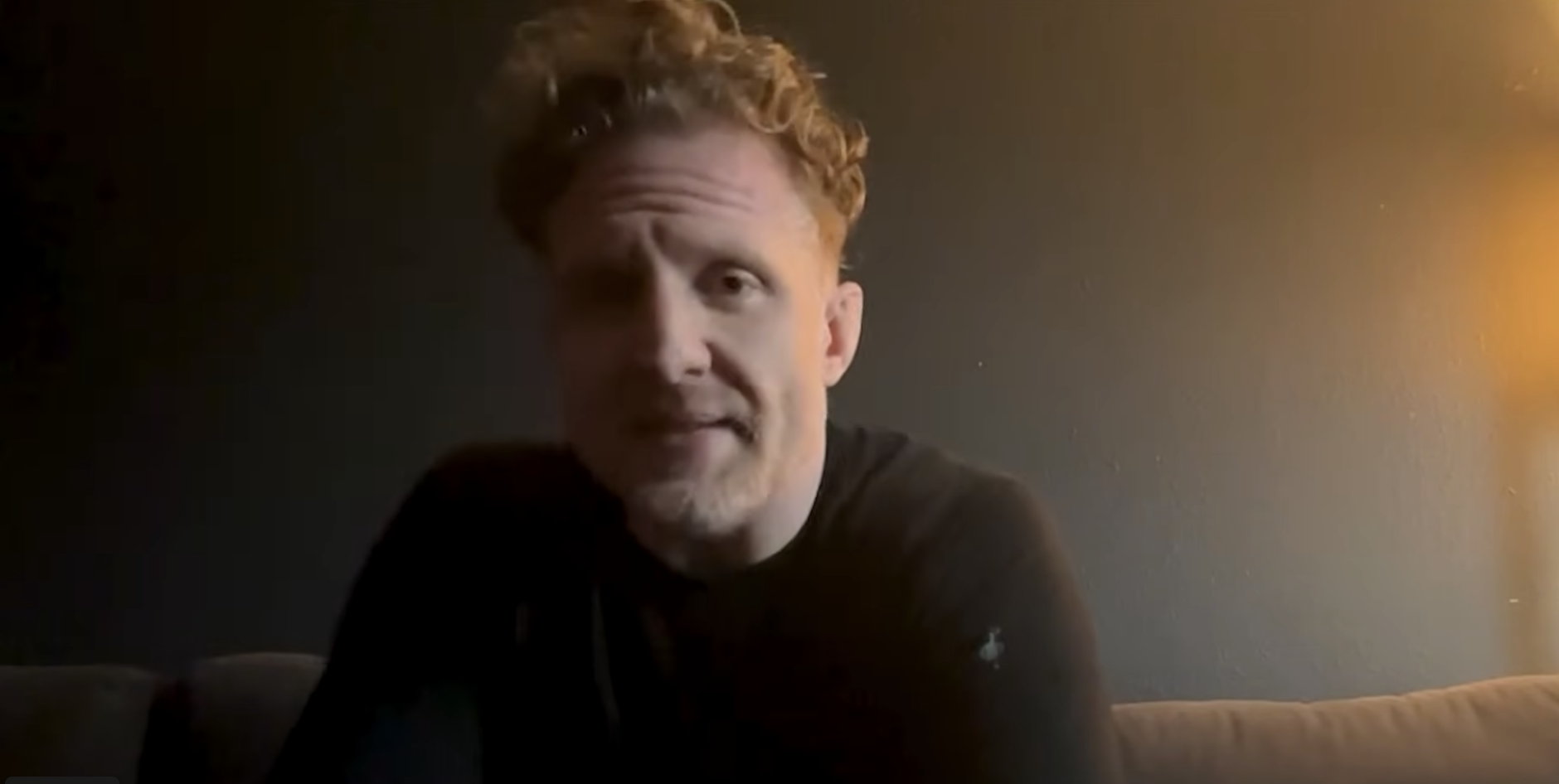
Greg Souders on the Grappler’s Perspective podcast.
In the last episode of my podcast episode with Alan Wycherley about fantasy vs reality in tai chi we mentioned a subject that might have been unfamiliar to some of you – the ecological approach. This is a training method that is finding a lot of familiarity with BJJ right now, but I believe it has always been a part of tai chi training too, since tai chi contains push hands as a training method, which has the potential to be a free and playful exploration of movement.
Rather than try and explain the ecological approach myself, I thought it would be better to hear directly from the guy who made it famous in BJJ, Greg Souders. As you’ll discover, he’s not afraid to say controversial things about the learning method adopted by most BJJ academies!
So, here he is on a no punches pulled episode of the Grappler’s Perspective podcast. Have a listen and see what you think:
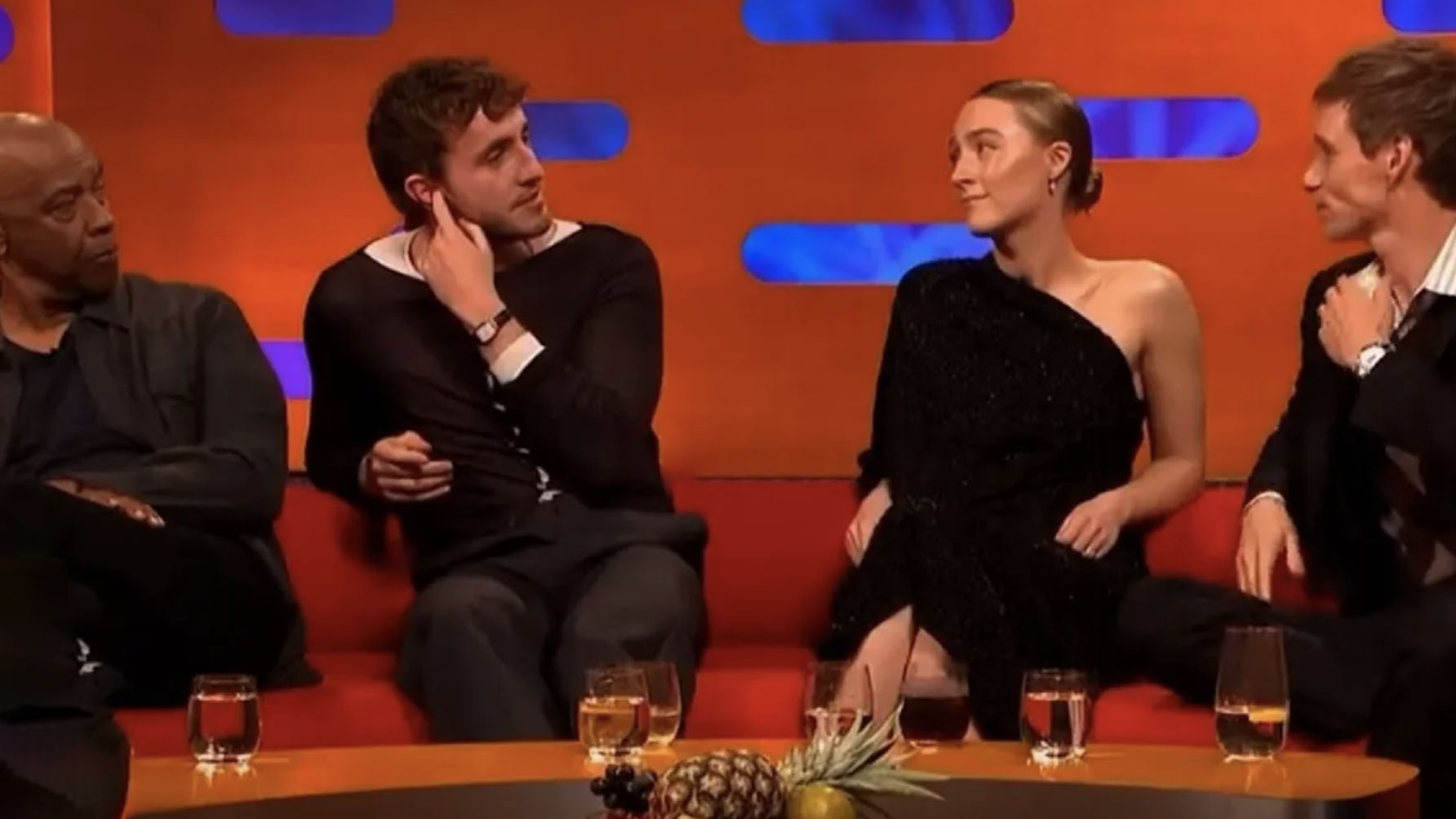
The UK is having a bit of a women’s safety moment right now, and since I’m in the UK and it’s a topic that crosses over into subjects I discuss on my blog, I think I should address it. As well as being about self-defence it’s also about how women and female perspectives are often ignored by a male-focused society. It all relates back to comments made by actress Saoirse Ronan on the Graham Norton Show, a clip of which has gone viral.
You can view the clip here:
She’s sitting on the sofa with fellow actors Denzel Washington, Eddie Redmayne and Paul Mescal. They’re having a lighthearted discussion about training martial arts/self defence for movie roles. While the men laugh and joke about something as ludicrous as thinking about a phone as a weapon of self defence, (can you imagine, lol!?) Ronan points out (she has to try twice to be heard) that this is something women have to think about all the time. The resulting awkward silence speaks louder than anything else.
That this one moment seems to have captured something very familiar to a lot of women – it’s captured men’s ignorance of women’s lived experience in terms of feeling unsafe when moving about in the world and having to think about using things like keys or mobile phones as weapons. Things that men generally don’t have to worry about.
I don’t want to jump on any kind of bandwagon and write an article about how to use a mobile phone as a weapon, because a) you can’t learn self defence from articles! And b) that seems like very opportunistic behaviour.
But what I would say to any women reading this, Brazilian Jiu-Jitsu (BJJ) is a great martial art that will benefit you more in the long run way more than a one-off 2-hour seminar on “self defence for women”. If you really want to feel more confident and less unsafe (of course, there is no guaranteed panacea for this, unfortunately) then I’d recommend starting regular BJJ classes at a BJJ Academy you feel comfortable with, and with an instructor you feel comfortable with (please shop around!), rather than going to a one-off seminar that aims to provide you with a quick fix.
And to the men who might need to become more of women’s lived experience (yes, you at the back!) You might like to read this article from the Guardian, detailing six women’s reactions to the clip, that’s worth a read.
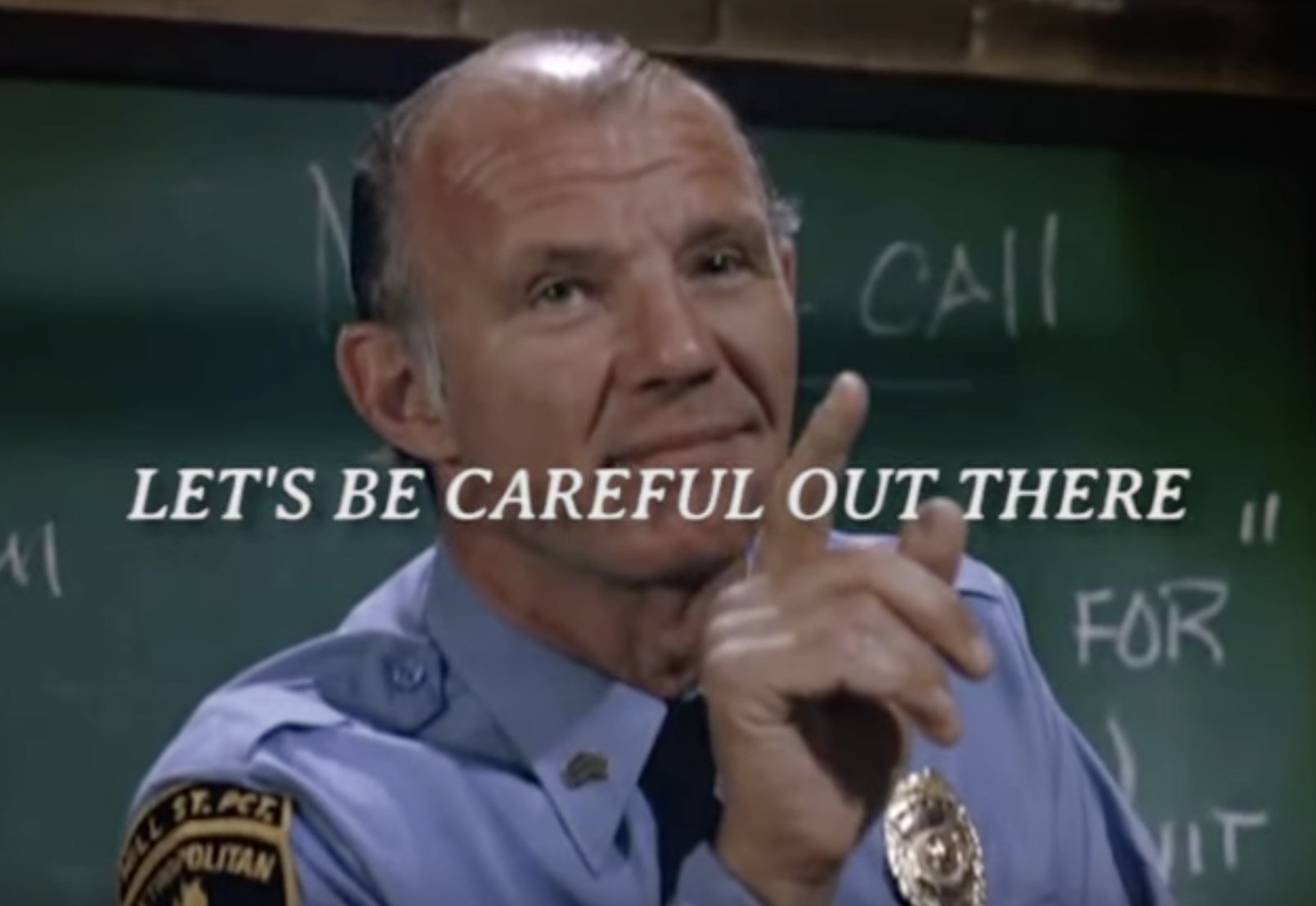
And in the words of the sergeant from Hill Street Blues, “let’s be careful out there”.
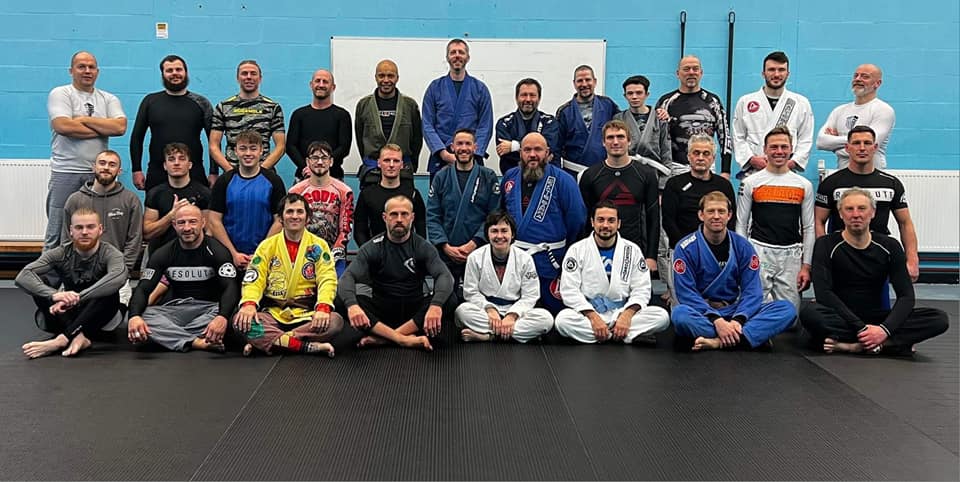
I felt very honoured to be asked to teach the technique section at the 2nd South West and Wales 40+ BJJ Open Mat this weekend at Bristol Dojo. It’s a group set up by a couple of older BJJ players who just want to organise some get-togethers for people to train BJJ in an open mat-type format. So, you can chat, pick each other’s brains, learn some technique or just roll. It’s up to you. There were 4 black belts on the mat and a whole raft of purple and browns, so there was no shortage of experience in the room.
I didn’t start BJJ until later in life and have always felt it’s a great sport/martial arts for older people despite its reputation as being all about younger, stronger, athletic guys who want to smash it in competitions or get into MMA. To me BJJ was just a natural progression from the arts I already practiced, like Tai Chi, into something that was similar, relied on technique not brute strength, and didn’t have the lack of martially-inclined training partners that Tai Chi suffers from.
Tending towards the ‘soft’ style of marital art, BJJ is also something you can do as you get older. Sure, you can’t keep up with the young guys, and your body racks up the damage, but with enough technique under your belt you can stay martially active and still enjoy really competitive rolls as you age.
I taught some back takes from the guard pull. All donations went to the Dementia UK charity. Thanks to Rob, @b_team_bjj for organising everything, it was a great day.
And thanks to Eira Culverwell @beyond_the_mats_ for the amazing Kinetic Massage I received – I felt like a new man again in just 10 minutes! Great for grapplers.
I like it when you can find those rare moments where martial arts seem to cross boundaries and blend into each other. I came across this video recently of Henry Akins explaining the concept of connection in BJJ, as taught to him by Rickson Gracie, and it doesn’t half remind me of Tai Chi…
There’s a lot of talking at the start, but he gets down to action at around the 4 minute mark and starts demonstrating rooting – something that you’ll find being practiced in most Tai Chi classes. These are what you’d see described as ‘simple jin skills’ or ‘jin tricks’ by a lot of Tai Chi experts. And they are what you are supposed to be doing in Tai Chi all the time, when you practice the form and when you do push hands. They’re the root (ha!) of classic phrases from the Tai Chi classics like, “4oz defeats a thousand pounds”.
In fact, a lot of people seem to think that these jin skills alone qualify something as being internal, which is why you see the descriptor, “internal”, being added to the name of a lot of martial arts, like ‘internal Wing Chun’ or ‘internal Karate’.
My take would be that, sure, these are an essential part of the internal package, but they’re not the whole enchilada. For instance, Henry is not doing anything particular with his dantien, and indeed, you don’t need to do anything in particular with your dantien to do these things. But these are still the first few steps to being an internal art.
As you know if you’ve read my blog for a while, I’m a BJJ practitioner myself, so it’s great to see somebody like Henry applying these principles to BJJ. I see it as a path to a version of the art that you can still do as you get older. I don’t think you’re going to be winning any competitions if you dedicate yourself to practicing these jin skills (the power and aggression of youth is pretty darn overwhelming to fight against in competition, particularly if it’s being done by dedicated athletes who train to a level the average guy with a job and two kids can only dream of). All I’m after is something that gives me the edge in friendly, hobbyist rolling and enables me to stay in the game and on the mat for as long as possible. “Do not go gentle into that good night”, as Dylan Thomas put it.
Push it, push it real good
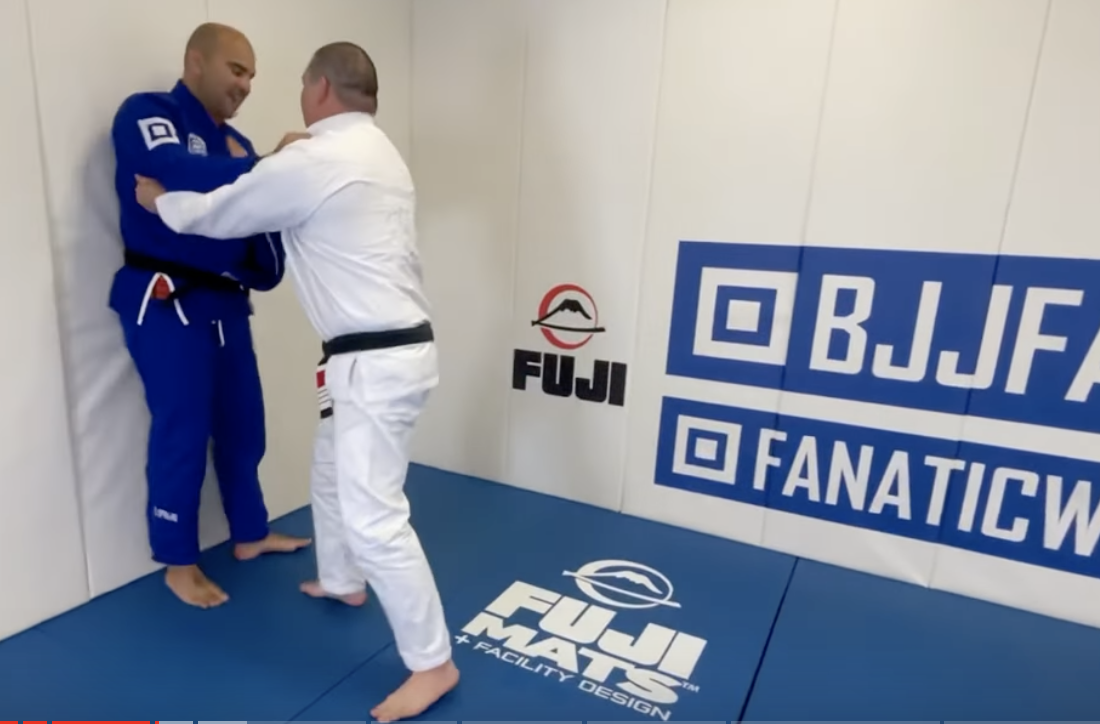
In particular, Henry deals with one of the favourite subjects of Tai Chi – pushing. Henry pushes Bernardo, using power from his legs, not his arms – this is Tai Chi 101 – and then shows how to receive a push by aligning his body so that the push goes into the ground. He, (dare I say it?) tucks his butt, so that the force goes down his legs to the ground, rather than knocking him backwards. This is what you need to be working on in push hands when people push you. N.B. Tucking your butt does not mean adopting a forced and unnatural posture, it just means flattening the lower back and aligning the lower part of your spine with the upper, so that your bum doesn’t stick out.
What I like about this clip is that Henry, coming from a non-Chinese marital art, doesn’t use words like Jin and Qi – he just talks about alignment, relaxing and using the legs and ‘using the ground for support’. It seems much less mystical than the way it is typically presented in Tai Chi, and it goes to show that you can explain a lot of Tai Chi things without having to use words that are nebulous or hard to grasp for the Western mind.
But it’s really the concept of connection that Henry is teaching. As he says, a lot of the time in grappling what you want to do is connect to your opponent to use your techniques, and then learn how to disconnect from them when they try their techniques on you. He sees connection working in three main ways – and this is where I think Tai Chi teachers can benefit from his teaching –
Connecting within yourself,
Connecting to the opponent
Connecting to the ground.
That’s not a bad way to look at grappling at all, and I think it is a good way to help people understand that, when doing push hands, you can’t apply no force at all to the other person in a sort of noodle arms-display of rooting into the ground, because then you have no connection to them. If you move, they don’t move. Instead, you need to apply enough force at all times so that you are connected to their body and through listening (ting) you can feel when it’s time to break this connection too. Think of it a bit like an insect using the surface tension of the water to stay afloat.
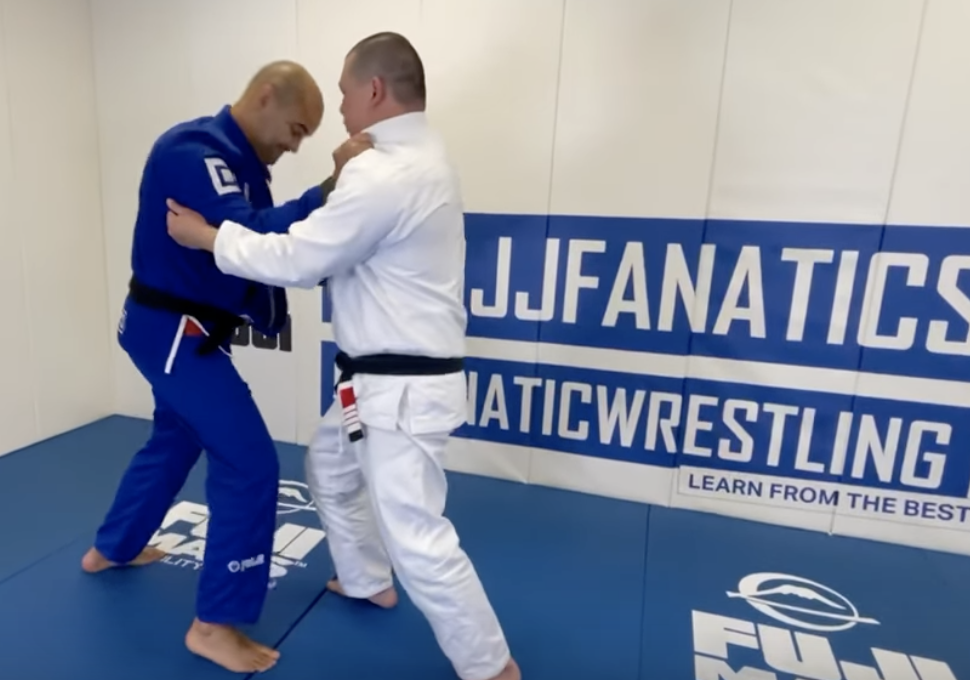
Great work Henry, I would buy your instructional on Connection, if only it wasn’t almost $300. 🙂 But thanks for sharing that video above for free. I’ll have to wait for it to come into the ‘daily deal’ section of Fanatics, where they reduce the price. Osss!
The following is said to be a video of Mitsuyo Maeda (1878-1941), the man who famously brought Jiujitsu to Brazil from Japan and (allegedly, since there is some debate about whether he was taught directly, or by a student) taught Carlos Gracie of the Gracie family, who went on to popularise Jiujitsu in the country, creating the Brazilian variation of the art, which hit the big time after UFC 1 in the USA in the 1990s, and is now practiced the world over.
I’d recommend watching it at half speed -( go to Settings/ playback speed/ 0.5 ) – since like many films of the era (circa 1908), it’s sped up.
N.B. The original YouTube video has been removed, but I found the same footage on Instagram here:
What do you think? My first reaction is that this is clearly the Pro Wrestling of the time. You can see that the performance is done purely as a kind of entertainment, not as a real fight at all. Those are real jiujitsu moves being demonstrated (sacrifice throw, hip throw, etc) but it’s also scripted like a very Chaplinesque slapstick comedy involving members of the crowd getting up on stage to join in.
As I mentioned recently, I’ve started taking my son to watch local Pro Wrestling events because he really enjoys them, and it’s given me a greater respect for Pro Wrestling and the skills of the performers.
Mitsuyo Maeda was known to have performed challenge matches as a way of earning a living, but I’ve always thought that his stage name, “Count Koma”, sounded more like a sideshow wrestling name than anything else. And here’s proof that he was earning his living as an entertainer. That’s not to say that he couldn’t have also engaged in serious challenge matches, but I can’t see how those were putting food on his table.
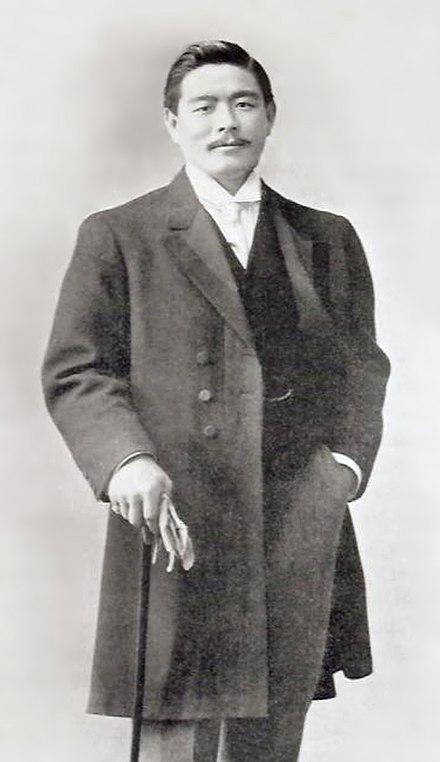
First though, we have to be confident that this is Mitsuyo Maeda. It certainly looks a bit like him. But can we be sure?
Maeda c. 1910
The find is credited to an Instagram account called origensdojiujitsu the text next to the video is in Portuguese, and the Google translation reads:
“In the 20th century it was common for Jiu-jitsu performances in Theaters and Circuses throughout the West, many Japanese emigrants, as a way of surviving, entered the World of Show and transformed their Martial knowledge into pure entertainment.
Due to the numerous presentations in theaters and circuses, the Soft Art gained notoriety in the West, it was common for the fighter to perform and even throw challenges to the spectators of the Audience, a common practice used by Conde Koma and his compatriots.
In silent cinema, some presentations in short films served as a trailer between one film session and another, in Brazil and in the world, both the armed forces and the shows contributed to the popularization of art.
In Brazil, the first exponents traveled both in the military environment and in circus shows such as Geo Omori, Conde Koma, and Satake, among others.”
So, this recording could have been a trailer shown between silent films. it certainly sounds credible, and if legitimate, it’s a fascinating look back at the origins of Brazilian Jiujitsu, and perhaps a refreshing break from the tough guy image that it later became associated with.
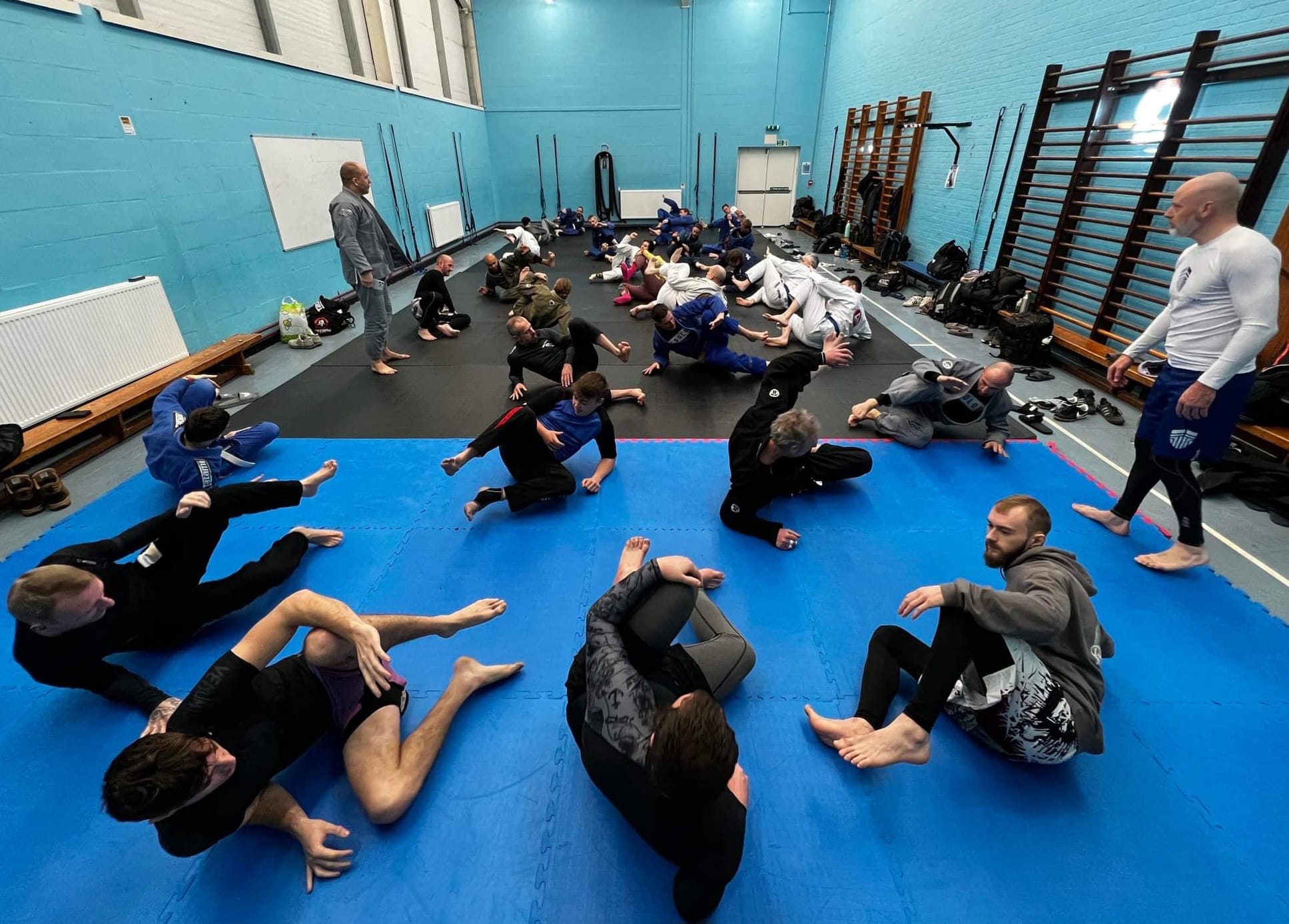
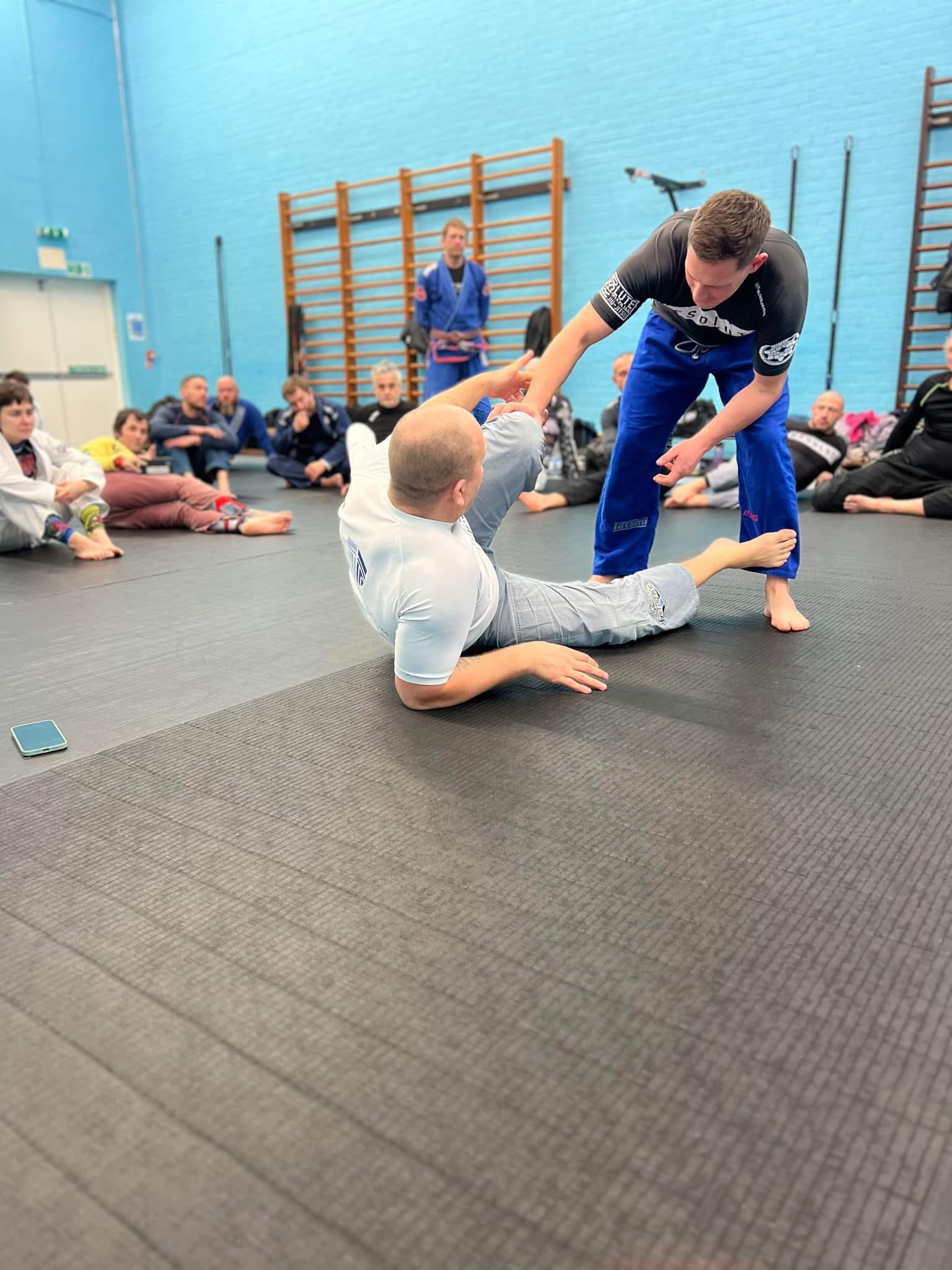
This is the second Priit Mihkelson seminar I’ve attended, the first being on back defence up at Chris Paines’ gym in Stafford. This latest one was on guard playing at Blue Dog Jiujitsu in Yeovil a really nice gym in deepest darkest Somerset. Like last time, this was a massive 8-hour seminar split over 2 days. Priit explained that this is how he likes to present his work, so that there’s plenty of time to drill and practice to really let the lessons sink in. It’s a very different approach to pretty much every other BJJ seminar teacher out there, most of whom like to get their message across in a single 2 or 3 hour block. I only attended the first day this time because I have other commitments in my life, and frankly, 2 days feels like too much! But, that made me the exception here – pretty much everybody else in the room was going to go back for day 2. So, I guess most people are more obsessed with Jiujitsu than me, or they probably just lived a lot closer!
Priit has all sorts of heretical views on the problems with the way BJJ is generally taught, and can talk about any of these aspects at length. In fact, I interviewed him on my podcast last year and you can get a flavour of his views on BJJ there:
Interestingly, the Sideways Open Guard seminar started in exactly the same way as last time – an initial intro by Priit to his approach to BJJ, then a demonstration of a particular posture, an explanation of key details and then he asked you to practice it solo for a little 2 minute burst, then you regroup and he goes further into the details, and we repeat.
The details are deceptively simple:
Sideways open guard is like an extension of Priit’s “Grilled Chicken” guard – the original Grilled Chicken was a supine guard – lying on your back in a position that resembles a rotisserie chicken. Sideways Open Guard is (surprise, surprise) lying on your side. The important details are:
1) Up on your elbow – not flat on your shoulder, or propped up on your hand. 2) The top leg is key – the angle (45 degrees) has to be just right and the toes must point upwards, so there’s a slight twisting in the calf/shin. We did a lot of experimenting with this angle and why it’s important. 3) The bottom leg is your jab in boxing – so you can move it where you need to. 4) Constant forward pressure – you should be always moving forward in this guard, pressuring the passer. 5) Keep the opponent in the right segment.
Sideways Open Guard. Photo: Roger Karel – Blue Dog Jiu-Jjitsu (c) 2023
But ‘simple to explain’ doesn’t necessarily mean easy. As the seminar progressed it gradually became a 2-person drilling position with an attacker and a defender, building up through various repetitious drills of “adaptive resistance” to get closer and closer to what most people would call “specific sparring”. It became very apparent along the way that there were plenty of mistakes you can make while trying to hold even a simple set of postural principles when under pressure, and Priit’s repetitious drills were designed to expose them.
We’d do something, get feedback from our partner, then do it again, in short 2 minute bursts, with new aspects being added in occasionally by Priit – defence to a leg drag, defence to a toreando, defence to an over/under pass, etc… Priit’s approach to teaching is very different to most BJJ coaches. He does walk around offering advice, but really he wants you to be given the information, then work it out in practice on the mat with as little help from him as possible. The aim is that your drilling partner gives you feedback on where things are going wrong, so you can correct them. You drill, have a chat about it (get feedback), then drill again. I was luckily enough to get paired up with a good partner (shout out to Mark!) who was skillful, thoughtful and intelligent.
Maybe it was just me, but I found the teaching method a little confusing and difficult at times – sometimes we were allowed to talk, sometimes not, and sometimes we could pass guard, sometimes not. I found it frustrating not quite knowing what the rules were at all times. Also the expectation to give feedback on positions that I wasn’t completely familiar with myself was pretty difficult. How do I give good feedback on what my partner is doing “wrong” on something I’ve only just started learning myself, especially while engaging in a ‘live’ type of practice? I find that when doing Jiujitsu my brain is either in “flowing” mode when sparring, which doesn’t involve much thought, or in “thinking” mode which is usually when I’m sitting back and analysing a situation. Having to do both at once I found hard. Sure, I can figure it out over time, but short 2 minute bursts don’t give me enough time to get my brain into that sort of gear. I felt like we’d often just be getting into something interesting and then get called back.
Priit is all about going into microscopic detail on the fine points that make something work. And most importantly, why those details matter. Because they do – the exact angle of a foot can make the difference between a leg that feels impossible to move, like trying to push on a massive tree trunk, to something that would get knocked over by a light breeze. In a way, this reminded me of the focus on posture you find in martial arts like Tai Chi, rather than Jiujitsu, and I suppose that means it’s also open to the same criticisms that Tai Chi gets – that under pressure these small details are too fiddly to be practical. But then, Priit could demonstrate exactly what he was teaching under pressure, so theoretically it should be possible for others to do it too!
Sideways Open Guard is an interesting position because it looks like a very open position where a pass should be pretty easy to do, but it’s not. Priit asked the room to suggest passes to defend against and demonstrated how he could shut down almost any attack. I suggested a simple step over pass, which Priit then demonstrated the defence to effortlessly on me. I really appreciate teachers who take questions from the room like this and let you try things out on them without any ego.
Priit presents himself as a scientist of jiujitsu. His aim is to teach only the optimal posture for each position, which he has worked out through testing, rather than his personal style. His scientific approach can appear a little harsh in teaching style at times, and he sometimes doesn’t seem to have much patience for people who keep getting it wrong or who he perceives as training in the wrong way. He wants you to slow down, really focus on the details and get them right, not blast through the drills without thinking. This hopefully makes you become fully aware of your own blind spots, which is obviously quite difficult, because they are… your blind spots.
With the Sideways Open Guard, a lot of the time the answer to people getting too close was to grab a leg and wrestle up, and Priit constantly used analogies with boxing and wrestling throughout the seminar, comparing the jiujitsu guard to the boxing guard, for instance. This connecting of jiujitsu back to the universal principles of other combat sports, and away from the “if he does this, you counter with this” approach of many other marital arts, is really a great insight and truly valuable to the BJJ community.
After initially gaining popularity for his approach to turtle and other defensive postures, it’s great to see that Priit is still innovating in the world of jiujitsu. I’m a big fan of his work, and it feels like he’s still working on his masterpiece. A Priit seminar is a rare chance to see the master at work, so I’d recommend them to anybody. He has an online site too, Defensive BJJ, so you can follow his work even if you can’t make it to a seminar. His free BJJ Globetrotters videos on YouTube are another great source.
Overall, this was another great seminar. I caught up with some Bristol friends (shout out to Artemis BJJ ) and I’ve learned some fascinating details that are going to change my game for sure. I already played a lot of sideways open guard, but now I know the flaws I had in my posture, I’ve got plenty to work on. So, I’m sad to miss Day 2 and whatever insights Priit was going to share there (I think Z Guard, and even inverting were on the table), but in the spirit of Defensive BJJ, I’m not afraid to have a go at working it out for myself.
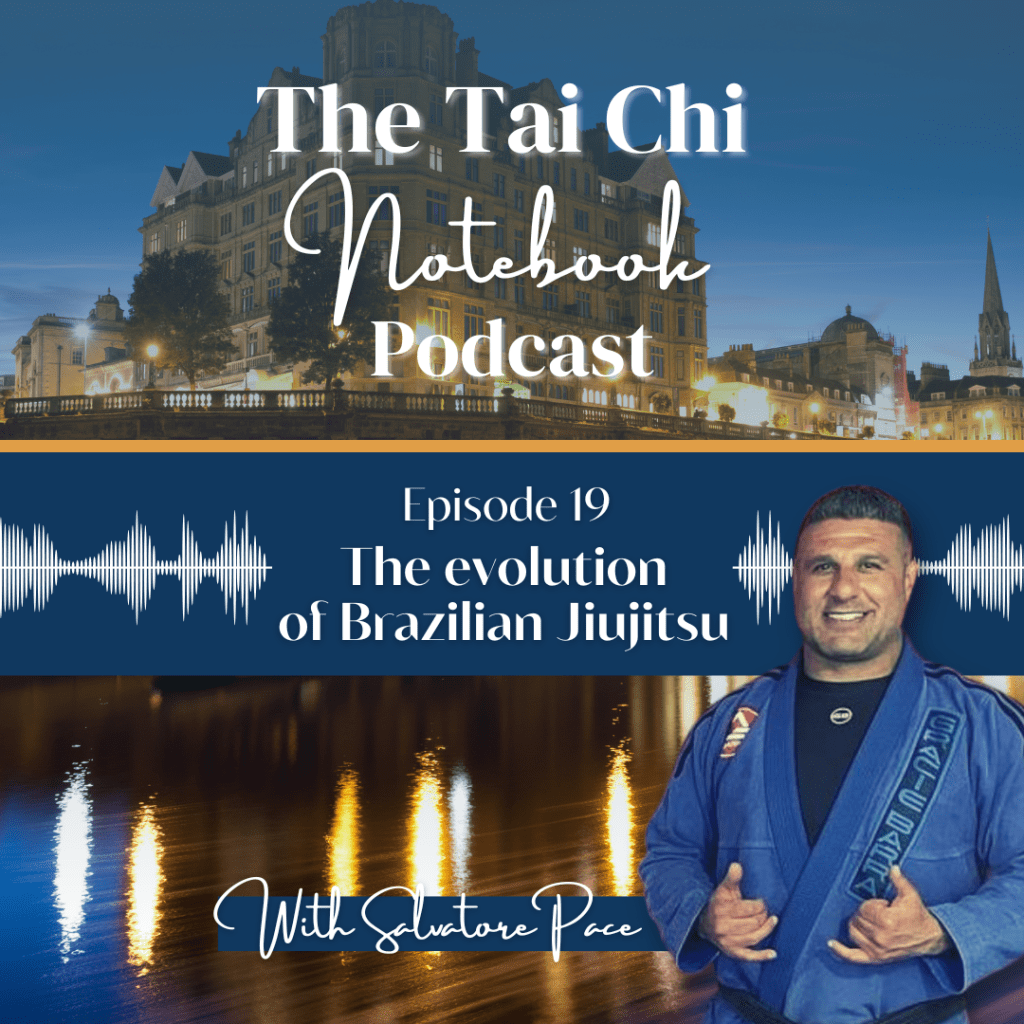
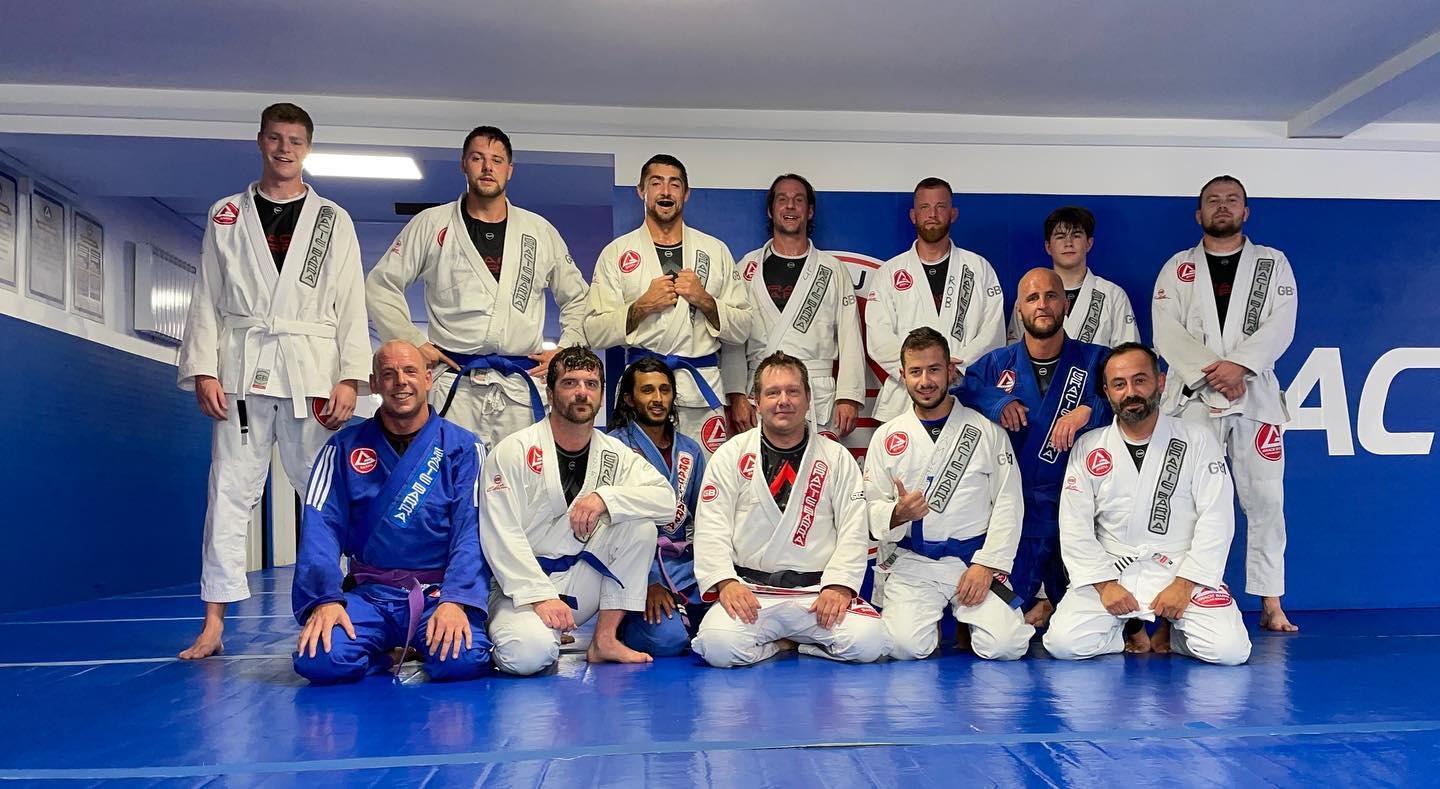
Salvatore Pace, or Salvo for short is a 3rd degree black belt in Brazilian Jiujitsu and owner of Gracie Barra Bath, the Head Quarters of Gracie Barra in the South West of the UK, Gracie Barra West Wilts and co-owner of Gracie Barra Gillingham. He is a two time NAGA European Champion and Grappler’s Quest champion. Salvo grew up in Sicily and had a passion for martial arts as a young boy, practicing everything he could get his hands on, from boxing and Kung Fu to wrestling, and then MMA in the emerging combat sports scene in the UK, but it was his first encounter with Brazilian Jiujitsu and his main teacher Professor Carlos Lemos Jnr, that changed his life forever and put him on a plane to Brazil and then the USA, where he trained with some of the biggest names in the sport.
Returning to the UK Salvo had a dream of teaching jiujitsu for a living and set up Gracie Barra Bath in 2007, back when most people hadn’t even heard of Brazilian jiujitsu. And that’s where our paths crossed, I first met Salvo way back in 2011 and I’ve been with him ever since, getting all my belts from white to black from his hands and it’s been a pleasure to watch his students and academy grow and develop and expand to new locations around the South West.
It’s one of the fundamentals of controlling somebody on the ground when you’re on the top, but it’s not really a technique, so it’s never taught specifically, you just kind of pick it up as you go. In fact, most of these little pearls of wisdom feel like they could belong to Tai Chi as much as Jiujitsu.
Inevitably the new white belt, overjoyed that they’ve actually managed to get on top for once, (perhaps it’s even the first time they’ve got somebody in side control or mount), will hold on like their life depends on it and inevitably be rolled over because they are holding too tight.
Imagine sitting on a horse for the first time – you’d hold on pretty tight, right? Well it’s the same thing with a person. Your brain is telling you to squeeze hard and not let go. The problem is, the harder you squeeze, the more tense you are and more tense you are the lighter you feel and the easier you are to move. You’re effectively joining your body to their body in a way you don’t want to.
One of the most basic escapes from a bad position on the bottom is to try and roll over. The escapes that are usually taught in jiujitsu class are more technical and go in stages, – a grip here, a leg there, a hip movement – but a complete beginner will often just try and grab the person on top and roll them over out of instinct. And the thing is, quite often it works.
Rolling people over is not basic or wrong – and there are more technical and skilled ways of doing it, of course. You can subtly bump their weight forward so they are slightly off balance without realising it, and then trap an arm or a leg that’s in the direction you want to go, so when the roll happens they can’t reach out with the limb to widen their base and prevent it.
But whether done out of pure instinct or with technical precision, the roll often works because the person on top is squeezing too tight.
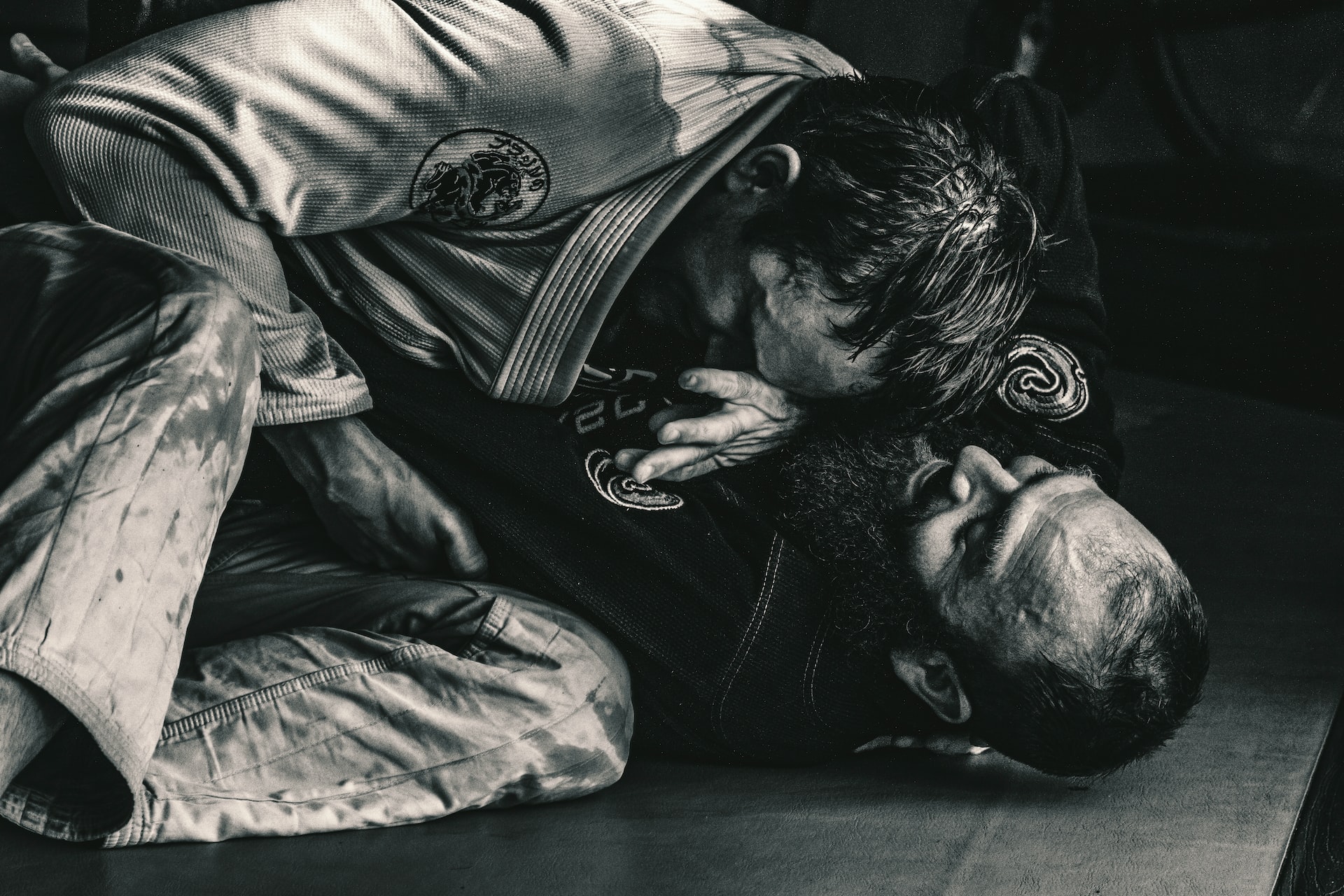
If you are on top then ideally you want to let your relaxed weight sink into them, not hold them with muscular tension. That’s how you feel heavy. And that way, when they do an explosive bridge or a sudden roll, you can surf the movement like a wave and not get carried along with it. You might need to change position on top, but that’s the best way to control somebody from the top – go with their movements, and keep changing position so you are always behind their force, not in front of it where you get pushed off.
I’ve always liked the turtle position in BJJ. It’s supposed to be a position that you don’t go to voluntarily, however, I’m quite happy there and I find there are good opportunities for sweeping your opponent. This is one particular sweep I’ve always liked doing.
It’s off the opponent’s attempted toreando pass. They grab your gi pants at the knee, ready to toreando. You hold both sleeves, so you can adapt to whichever side they go to. Once they move a side is chosen, you turn away from them and stiff arm the sleeve that’s now your top arm. Your bottom arm starts building a base from elbow to hand and gets you into turtle right underneath them. You then wrap the stiff arm around your body and execute a shoulder throw from your hands and knees. In most cases it’s a pretty easy sweep and they go head over heels and land on their back. If the armbar is available then take it, otherwise side control is there for the taking.
I got asked once by a CMA practitioner what the “Shen fa” (body methods) of Brazilian Jiujitsu were and I drew a blank. The only answer I could come up with was “we don’t have any”. What I think we have instead though are foundational movements. Let me explain.
While Chinese martial arts like Tai Chi, Xing Yi and Bagua all have “Shen Fa”, which are “body methods” that need to be internalised before the practitioner can be considered sufficiently proficient in the art, Brazilian Jiujitsu doesn’t have them in the same way. Instead, it has a series of foundational movements that crop up so often in techniques that they are considered the foundations of the art, and are usually done in class as warmups.
I taught an interesting Jiujitsu class this week. (Well, I thought it was interesting – I think you’d have to ask the students themselves what they thought!) I started with the group practicing the basic Technical Stand Up both forward and reversed (which is doing it backwards, so you go fro standing to sitting down), then with variations like a knee or an elbow on the ground instead of a foot or hand.
Sweaty work – a fun class!
A Technical Stand Up is a way of going from sitting on the ground to standing up that exposes you to the least risk if you’ve got an aggressive person attacking you. It minimises your chances of getting kicked in the head and also affords you the ability to kick back at the attacker’s knee, possibly hyper extending their leg painfully.
How to do a Technical Stand Up
Once everybody in the class could do a Technical Standup well enough we went on to practice applications that utilised it as part of the technique. A good example is a basic X Guard sweep, or a way of returning to base after completing a tripod sweep. (I’ll not explain what those are here, because I don’t want to get lost in the details of these techniques in this post, because that’s not what this is about.)
Foundational movements in Jiujitsu include the aforementioned Technical Stand Up, but also things like a bridging movement, a hip escape (shrimp), a triangle, a forward (and backwards) roll and an inversion. If you can’t perform these basic movements correctly then your chances of doing any technique correctly are going to be severely limited.
In contrast, Chinese martial arts “body methods” include things like dantien rotation, opening and closing the chest and rounding the kua. These body methods are postural observances and ways of moving that need to be kept in place during all movements.
Why one art should have developed body methods, and the other not even have that concept, is worth thinking about, and I think it relates to the role of form in Chinese martial arts. Practicing solo movement in the shape of a form done in isolation from other people allows the possibility of subtle things like body methods to be developed.
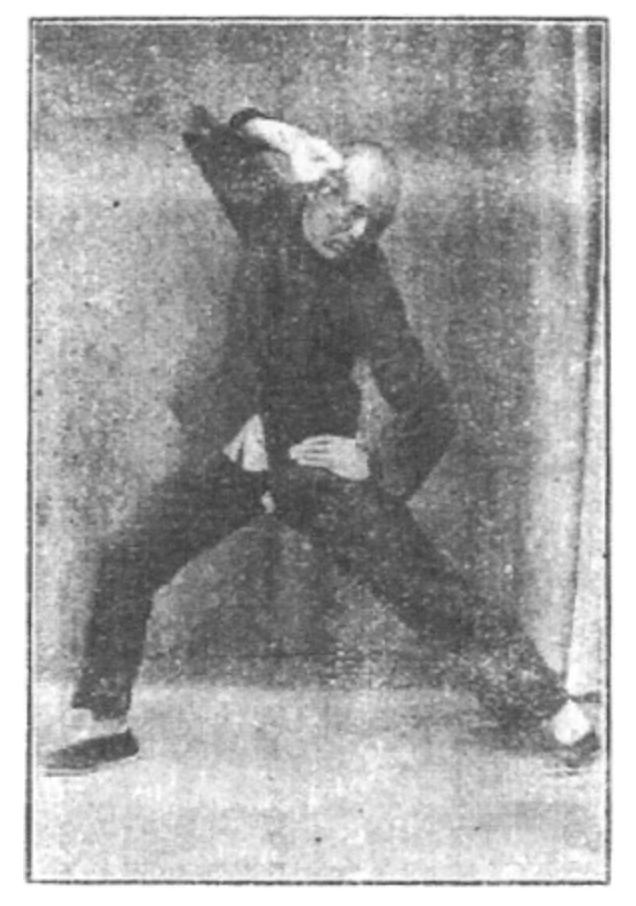
Torso Flung Punch by Chen Zhaopi, 1930,
There are no forms in BJJ. Sure there are solo exercises you can practice to warm up or condition the body, but they don’t have the same function as form (tao lu) does in CMA. BJJ is heavily partner orientated. All the drills and sparring need another person physically there to do it with. To practice BJJ we literally have to get together with other people in nice matted areas and throw down. There is no other way.
These body methods in CMA have resulted from forms, but my suspicion is that this was never planned, rather they have grown out of a situation that happens when you are required to practice forms. Why CMA started practicing forms in the first place is a different question – there are some clues as to why that might be in the video I shared the other day by Simon Cox on the Taoist concept of the Subtle Body.
It’s analogous to the situation in China between Shuai Jiao and Kung Fu (Wu Shu). Shuai Jiao has no extended tao lu (forms), like Kung Fu does, but it has an awful lot of solo conditioning exercises with and without weights and belts. I’m not a Shuai Jiao practitioner, but I think you’d be hard pressed to say that Shuai Jiao has Shen Fa in the same way that the various Kung Fu (Wu Shu) styles do.
Is one approach better than the other? I don’t know. They’re just different and personally I enjoy practicing both.


 The Tai Chi Notebook