What is Kempo?

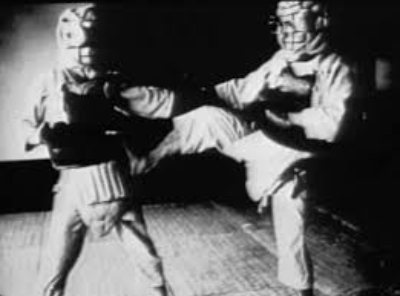
Early Kempo.

My friend Brett teaches Mishima Kempo in Cornwall, and has just updated his webpage with a really good page that answers some questions about what Kempo is and he also has a more detailed page on its history. It’s well worth a read if you want some good information about Kempo.

So what is Kempo? Well the short answer is, to quote from Brett’s page:

Kempo is not a martial art, but rather “Japanese martial arts of Chinese origin or association”.

So, check out his web page for more information, especially if you live in Cornwall and are interested in training Kempo. If you want to dig a little deeper, we started the Heretics Podcast off with a series on the intertwined origins of JuJitsu and Kempo, and that’s still available to listen to.
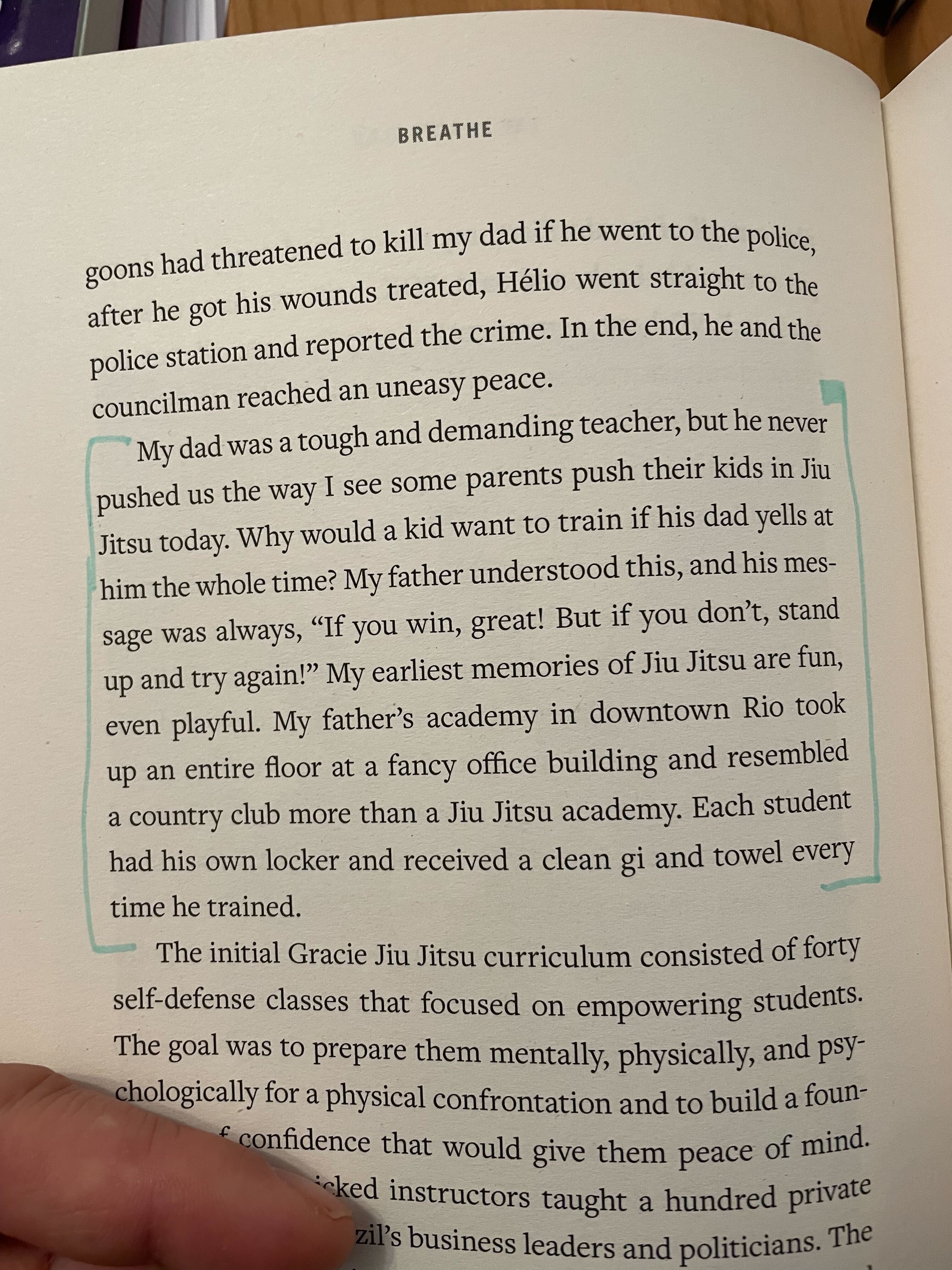
Teaching children

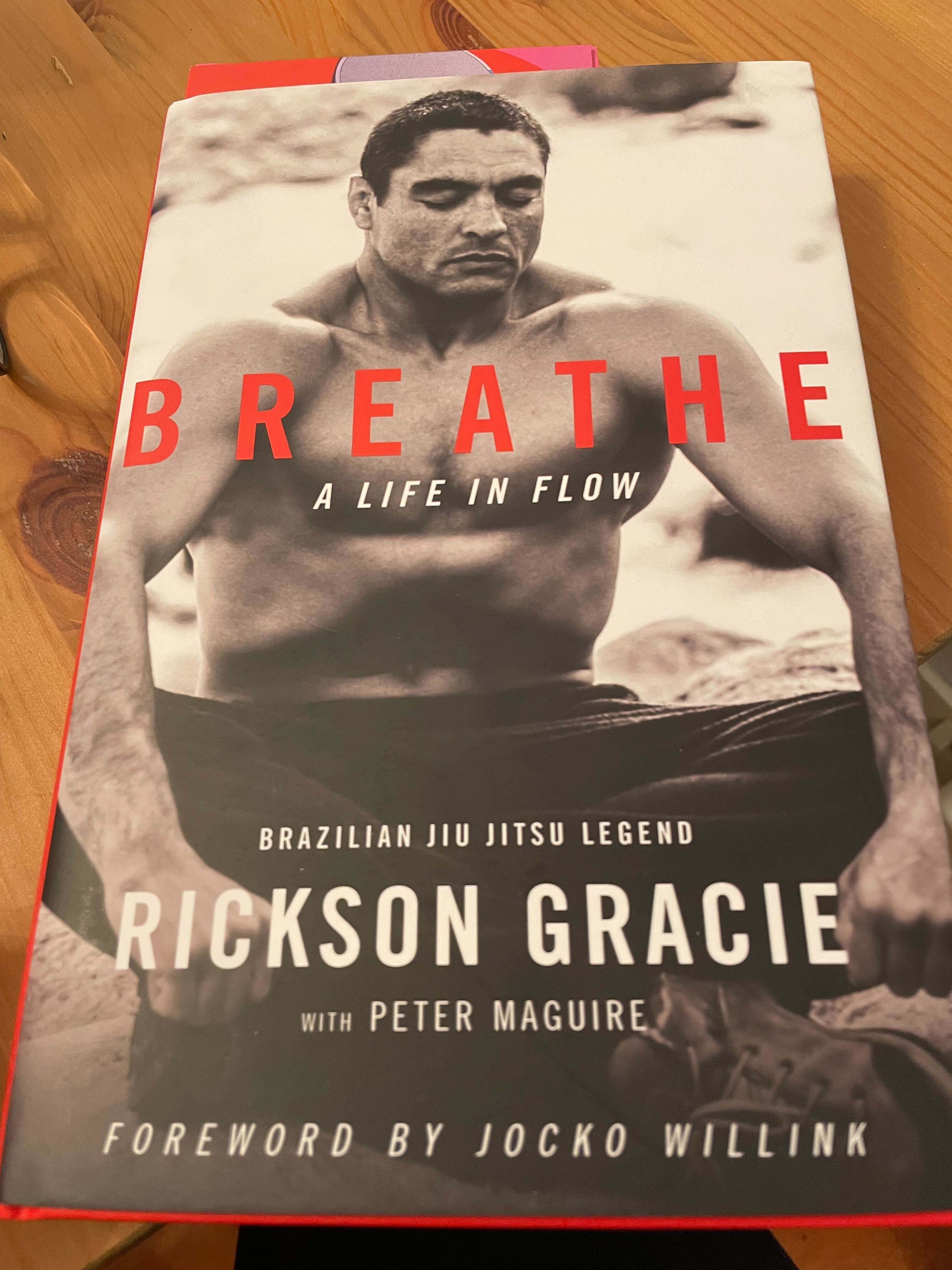
I’ve been finally getting around to reading Breathe by Rickson Gracie, which I got for Christmas last year, just before Christmas, this year 🙂 I found this paragraph near the start that resonated with me.

Over on the Heretics podcast Damon frequently talks about one of his great loves, Mongolian wrestling, and how they create the same relaxed, nurturing training environment, especially for children who start learning through games and just messing around, rather than structured lessons. The child’s natural sense of curiosity and playfulness is encouraged, not shut down, which seems to be the rule in many other ‘martial’ training systems.

The results of this type of training, is that Sumo at the highest levels is dominated by Mongolian-born Sumo wrestlers. The Japanese approach to Sumo training couldn’t be more different to the Mongolian wrestling approach, it is competitive, austere and harsh. The anecdotal evidence is that a more relaxed approach is actually better.

I’m not an expert of Sumo, or even follow it, so I don’t know, but I believe the best Sumo wrestler of all time is generally believed to be Hakuho Sho. Sho was born Mönkhbatyn Davaajargal in Mongolia. If you watch a few of his matches you can see that’s he’s a master of slipping and evading:

Shorinji Kempo – Way of the Warrior episode

The classic BBC TV series, Way of the Warrior’s episode on Shorinji Kempo just appeared online, and it still holds up today.

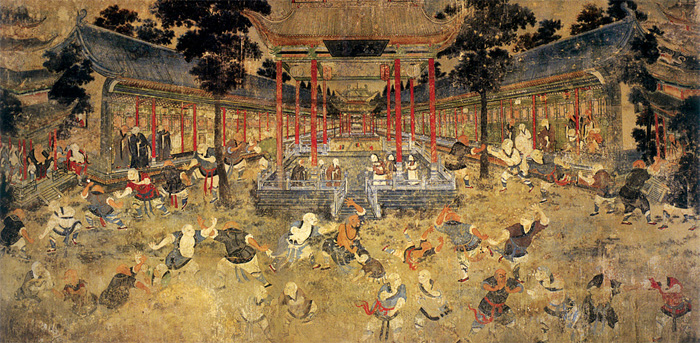
The BBC seem to have complete access to the style to film this, which at the time they say had a million followers and was floating on that ‘cult’ borderline, and it’s a fascinating glimpse into the past. Shōrin-ji kempō means something like Shaolin Temple Fist Way, and was established in 1947 by Doshin So after his time as a spy in China, where he supposedly trained at the Shaolin Temple. I think, as the documentary makes out, that his main form of training at the Shaolin Temple consisted of looking at the famous painting (which is not that old at all) of Chinese and Indian monks fighting. Like all Kempo styles his art is probably an eclectic mix of all sorts of different martial arts he trained in. However, he appears to have used that painting as the inspiration for his whole martial art! The Shaolin origins made a great backstory, anyway.

The mural painting from the Shaolin Temple.

While this is only one type of Kempo from Japan, you can see a lot of the elements we talked about in our Heretics Podcast, History of Kempo and Jiujitsu episodes, that seem to be recurring themes:

  • The blending of marital arts and religion (in this case Buddhism)
  • Far right political views
  • A sense of freedom in where you get techniques from (absorb what is useful)
  • Helping fight crime as a kind of unofficial police force
  • A lot of sparring!

What is also interesting is that the film shows the widespread use of the original Shorinji Kempo logo – the Swastica – that they replaced for all branches in 2005 with the so-en (double circle).

Check out our Facebook page and Instagram

Fixing Aikido

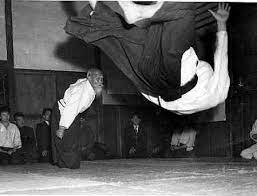
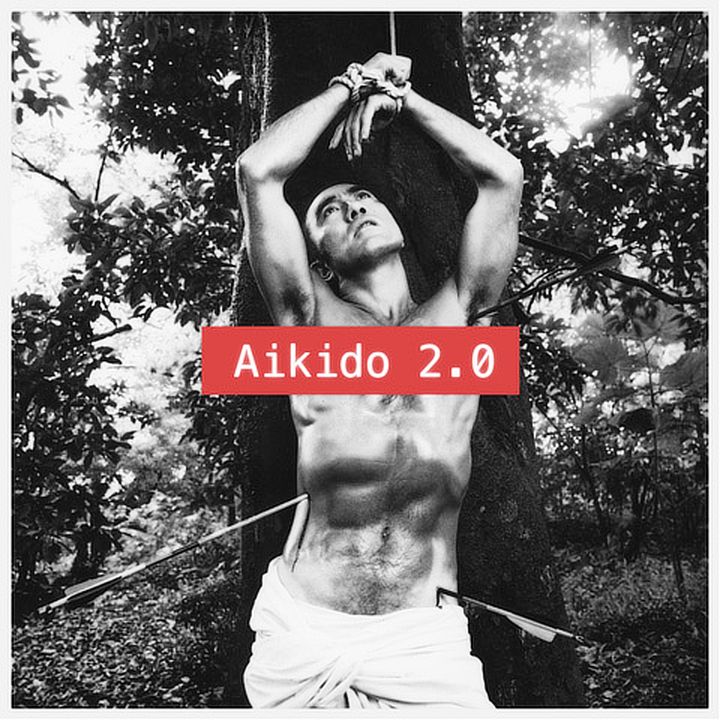
The world is full, or so it seems, of marital artists trying to fix Aikido by making it more practical/better/not as weird. I’m proud to say that my Xing Yi teacher, Damon Smith, (who studied Aikido himself for years) is joining the fray with a new podcast called (wait for it) Fixing Aikido! It’s a podcast where Damon gets together with another friend of ours, Tammo Trantow who is a highly ranked Aikidoka from Austria, and they set about the enormous task of, well, fixing Aikido and creating an Aikido 2.0.

Will it work? Is it a fruitless task? Even if you don’t practice Aikido, or you don’t think it needs “fixing”, it’s quite an entertaining podcast so give it a listen!

Oh, and while you’re here, you can also listen to the now infamous and highly controversial episode of our Heretics podcast that possibly inspired the whole venture. Aikido Heresies

Victorian & Edwardian Martial & Exercise Films

If you enjoy historical martial arts footage as much as I do then you’ll find the Victorian & Edwardian Martial & Exercise Films YouTube channel an absolute goldmine of footage.

This channel displays films and film segments that were created at the beginning of film making in the 19th Century through to the first half of the 20th century in relation to martial art and exercise.

Here are few examples of the content you’ll find here that caught my eye:

1897 Boxe Francaise (Savate) & Baton Demonstration – Lyon France

Filmed: Spring – June 6th 1897
Location: Lyon-France
These films show members of the 99th Infantry Regiment demonstrating Savate & Baton. These demonstrations are not sparring sessions. They are an exchange of techniques for the camera, in the form of a flow drill. In the Savate demonstration you can see that the practitioner on the left is aware of the camera position, and motions the other practitioner back into the frame of the camera. Sparring in this era was conducted on a “touch point system” along the same lines as fencing and points were scored for making contact, and the aim was not to seek a knock out.

https://www.youtube.com/watch?v=MLcG_QZPWek

1896 Burmese Martial Art in London

“These two films were filmed in July 1896 by Lumiere camera operator Alexandre Promio. The Location was Sydenham Crystal Place Park London. The first film depicts a form of Burmese martial art which includes open hand strikes, kicking and grappling. It is unclear what style is depicted as Burma (Myanmar) has a large variety of styles. (Martial Styles of Myanmar) https://www.youtube.com/watch?v=96IBH… Both practitioners seem to be sparring in a light friendly manner for the camera. The second film presents a solo performance of the ball exercises known in Burma (Mynamar) as Chinlone. Chinlone dates back over 1,500 years, and is heavily influenced by traditional Burmese martial art and dance. It was originally conceived as a form of entertainment for Burmese royalty. It is also played as a team sport and over the centuries, players have developed more than 200 different ways of kicking the ball. Form is all important in Chinlone, there is a correct way to position the hands, arms, torso, and head during the moves. A move is considered to have been done well only if the form is good.”

Victorian & Edwardian Martial & Exercise Films

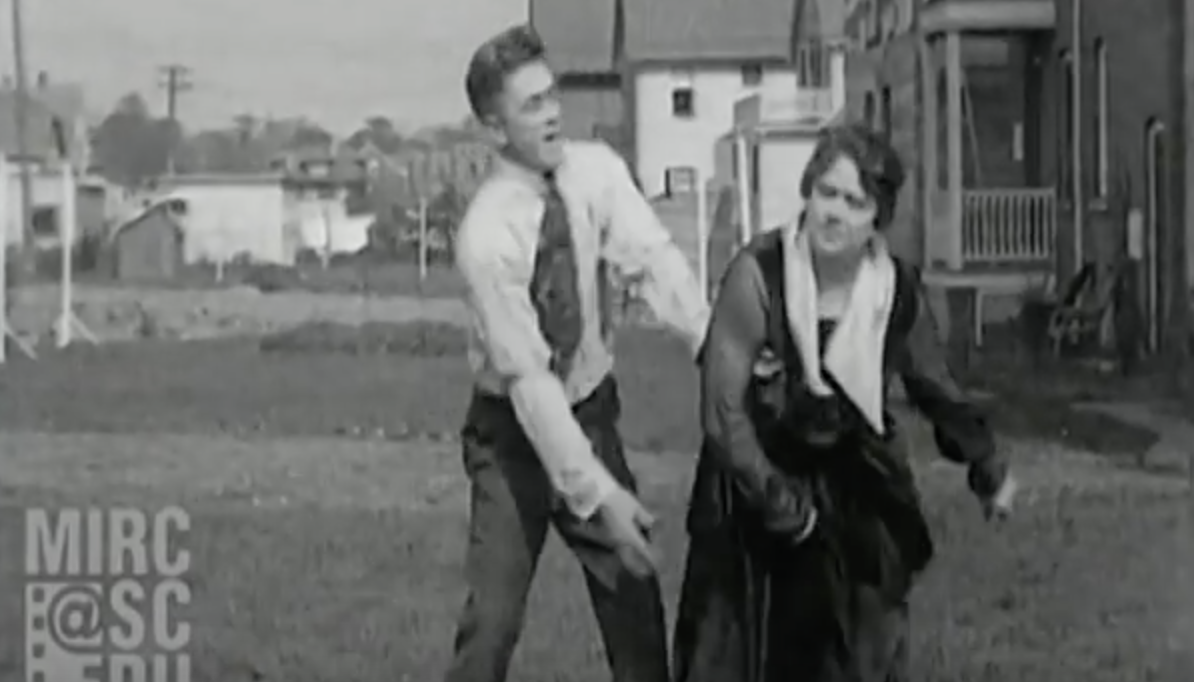
1919 Self -Defence (Jiu-Jitsu) – Johnny Kilbane

Film Date: 24-10-1919
Location: Cleveland (Ohio) U.S.A.
Description: Champion Boxer Johnny Kilbane teaching his wife self-defence (Jiu-Jitsu).

https://www.youtube.com/watch?v=flpOOrdI14I

Podcast Ep 4: Discover the link between martial arts and Shamanism with Damon Smith

What is Shamanism? And how does it relate to martial arts? In this episode I catch up with my old, friend and teacher Damon Smith to answer some of these questions.

Damon is an incredibly experienced martial artist with a background in various Japanese and Chinese arts including Karate, Kempo, Xing Yi, Baji and Choy Lee Fut. And those are just a few of the arts he’s pursued to a very high level.

But despite being a great martial artist Damon’s true love has always been Shamanism.

And while he’s no stranger to banging a drum, Damon’s shamanism is not the hippy dippy sort of practice you might associate shamans with, instead it’s a very down to earth and practical art, much like the martial arts he does.

In this episode we talk about the link between martial arts and shamanism, and where the crossovers lie.

Reiki and the Suicide Monks

I made a special guest star appearence on the Woven Energy podcast last week to join Damon Smith for a chat about Reiki and suicide monks.

Continuing our examination of the spiritual traditions that gave rise to modern Reiki, this episode looks at the Buddhist tradition of Mount Kurama. The tradition of Mount Kurama is one with strong shamanic undertones, and is one of the two primary lines of Buddhism that influenced Usui. We also talk about the related suicide cult of Kiyomizu-dera in Kyoto.

Woven Energy

A bit of an odd subject, and not something I know a lot about, but I the episode was really about how organised religions can convince people to do some very wacky stuff, which is more my bag.

Where Karate got its kicks from (it was the French!)

This is a very nicely made video from the Karate Nerd that shows the influence of Western military methods (created by the French from Savate) on the formation of Japanese Karate. This influence of the West on Japan was something we talked about a lot in our podcast on The origins of Kempo and Jiujitsu, but it’s nice to see a video that uses old footage so well to demonstrate the point.

Here’s some of that lovely Savate from 1924, in normal and slow motion:

The invention of the Samurai

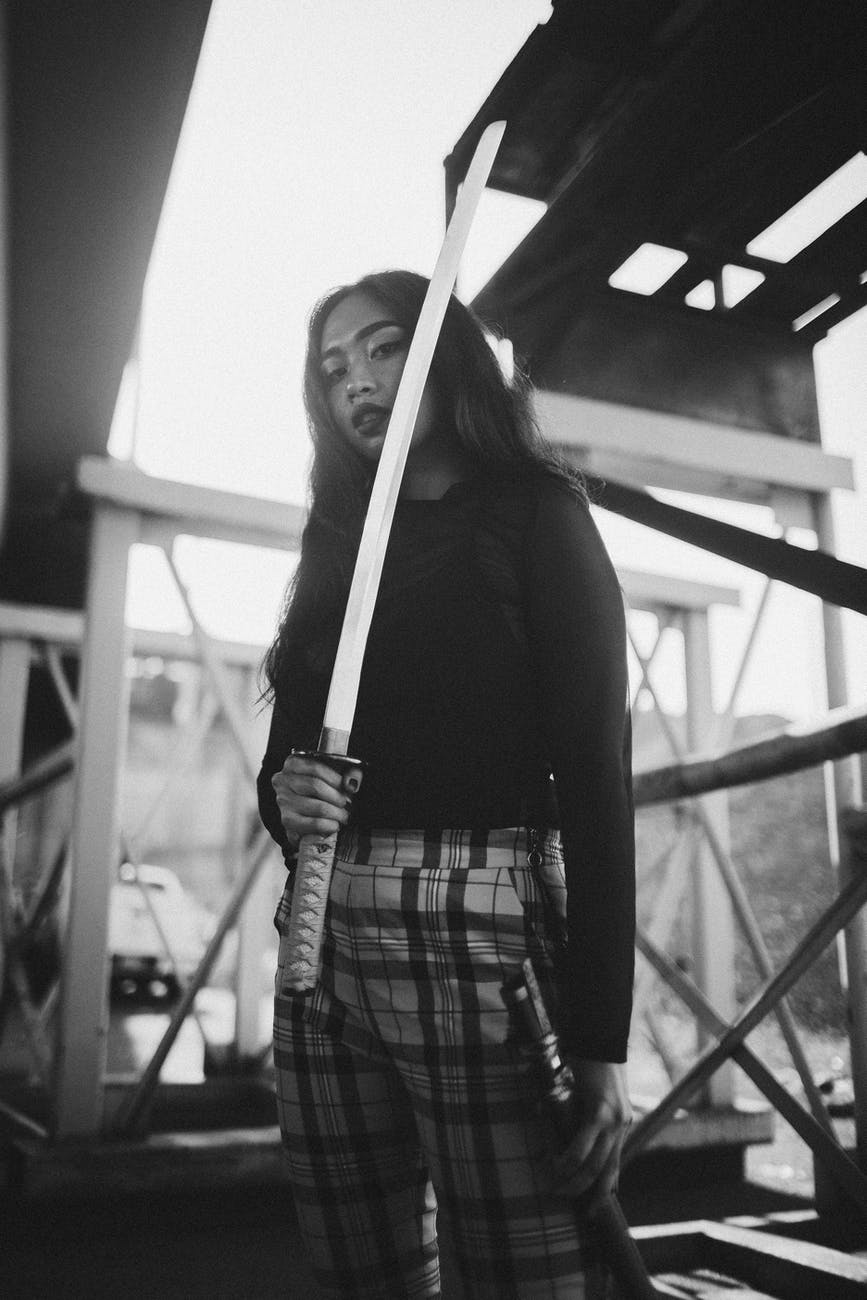
grayscale photo of woman holding katana

Photo by Jermaine Ulinwa on Pexels.com

I wrote a short post for Cook Ding’s Kitchen blog the other day about our Heretics series on the history of Kempo and Jiujitsu.

If you’re interested in the history of Japanese martial arts then I would also recommend this talk by Dr Oleg Benesch on the Martial Studies podcast, which talks about a lot of the same stuff, particularly the interplay of Western and Eastern ideas after 1852, the invention of the ideal of the honorable Samurai warrior and, most importantly, castles!