How to time you strikes with your footwork, a video lesson
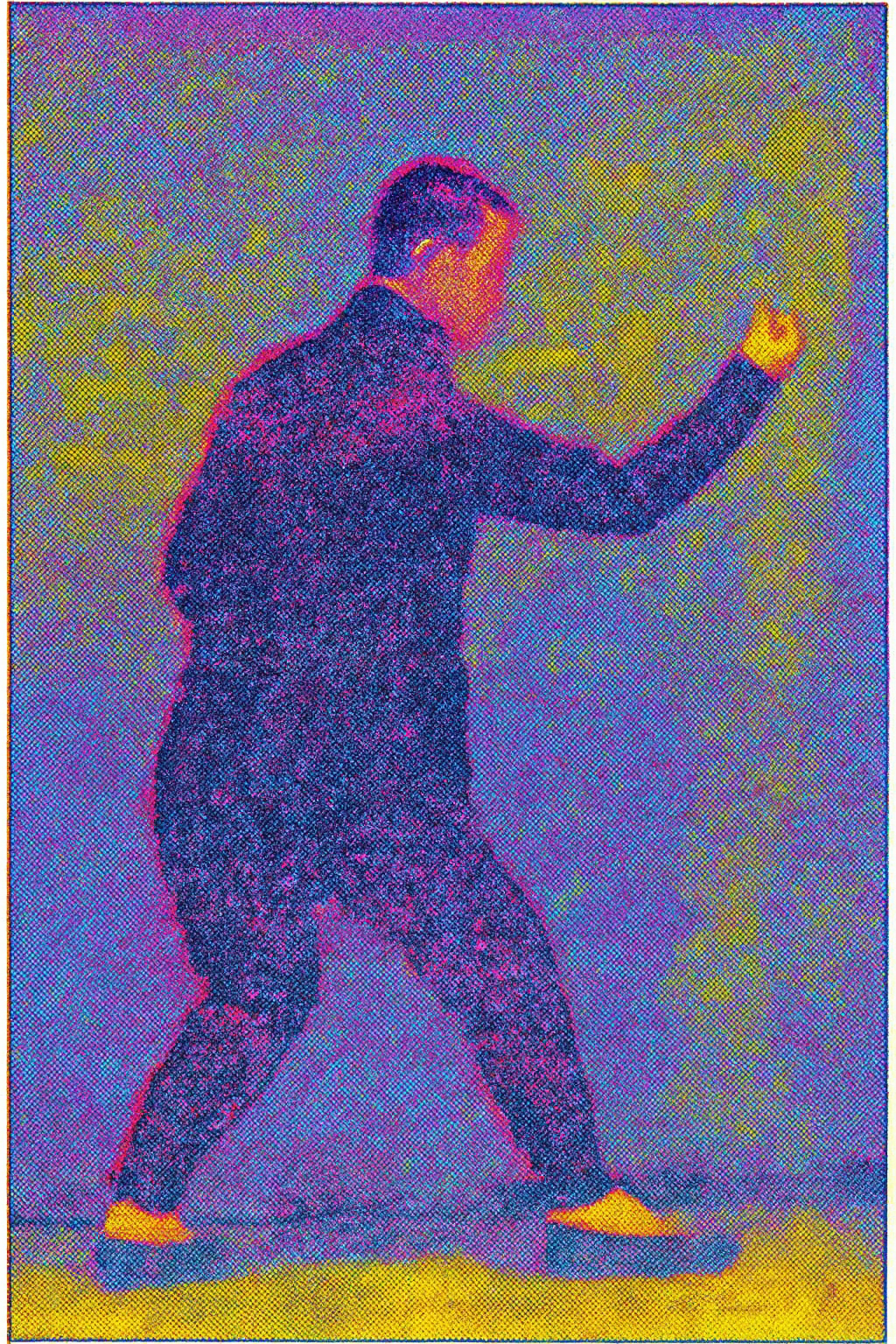
Xing yi is a martial art I’ve got a lot of time for. The first thing I noticed about it was its approach to stepping and how different it was to other Chinese martial arts like tai chi, for example. In fact, the only other martial art I can think of that uses a similar type of stepping is yi quan, which is a derivative of xing yi, and perhaps Sun Style Tai Chi, which is obviously influenced by xing yi because it was the main martial art of the founder, Sun Lu Tang.*
When approaching xing yi for the first time, most people seem to be more interested in what’s going on in the body because it is an internal art. I think that, in a way, the label ‘internal’ is something of a blessing and a curse for xing yi because it leads to a lot of intellectualising about it, which is sometimes unnecessary. Before you need to start worrying about things like the internal workings of the body, I think you should be focusing on the footwork of xing yi, because that’s the key to getting the right feel for the art.
Xing yi stepping is different
It’s not like all Chinese martial arts don’t use stepping, (of course they do), but there’s something really nice and practical about the way xing yi uses stepping and striking in harmony*. If you look at a random xing yi link (its name for forms) then no step is wasted – something is happening on every step.
But it goes a bit deeper than than – the timing of what is happening is the thing to look for. The strikes combine with the stepping to put your mass into each strike, so rather than hitting people with just the weight of an arm, you’re hitting them with your whole body weight behind the arm.
I made a video about the timing of xing yi steps and strikes before and I’ve talked about xing yi stepping basics before, but a viewer of one of my YouTube channels, contacted me recently asking to know more about it, so I thought I’d make another video.
So, here it is – I’m demonstrating some standard ‘jab, cross, hook’ strikes on some pads first. There’s nothing special about this, then I look at how it would change if you were going to adopt the xing yi footwork. I show this with the weight staying on the back leg first, then I show how you’d do it with a palm strike and the weight on the front leg – in the way you do it with Bear (Xiong Xing). And then I show some xing yi movements in a linking form, where the steps and the striking are using the same timing. This is a mix of elements and animals.
Is there anything ‘internal’ in this? No, it’s just the mechanics of stepping and striking done together in the general way xing yi uses them. However, my controversial opinion (sorry, I’m trying not to get into arguments these days) is that you need to get this down first before you start with the more subtle internal stuff.**
* Yes, I’m sure there are other Chinese martial arts that use this sort of stepping sometimes – talking in generalities helps make a point, but it is rarely accurate.
** Xing yi is a big art, what I’m talking about is a feature of Hebei Xing Yi – other styles may vary and not use the same sort of footwork. I’m not attacking the way you do XY or the way your Sifu taught you.
 The Tai Chi Notebook