

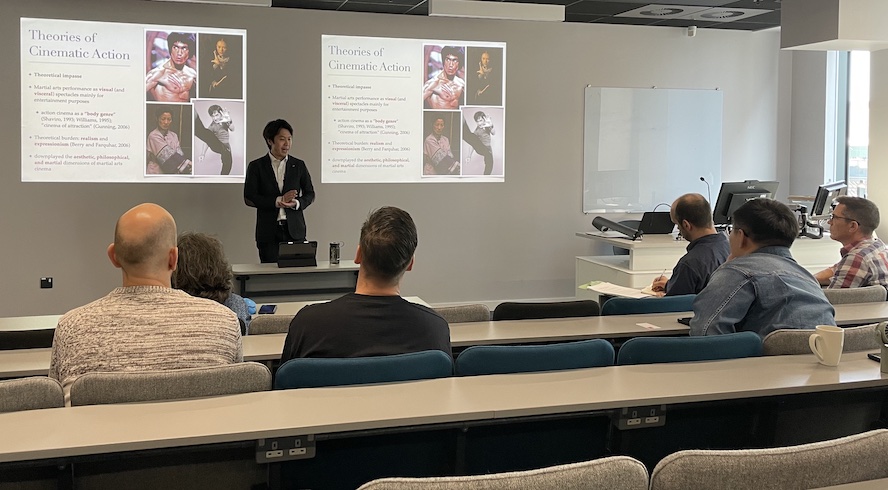

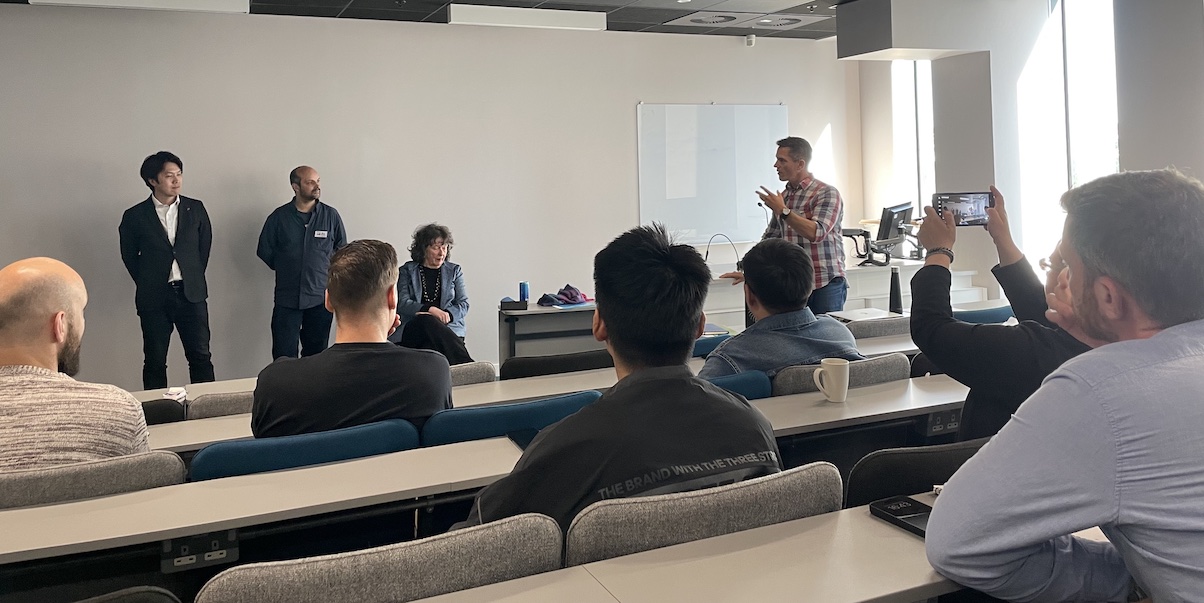
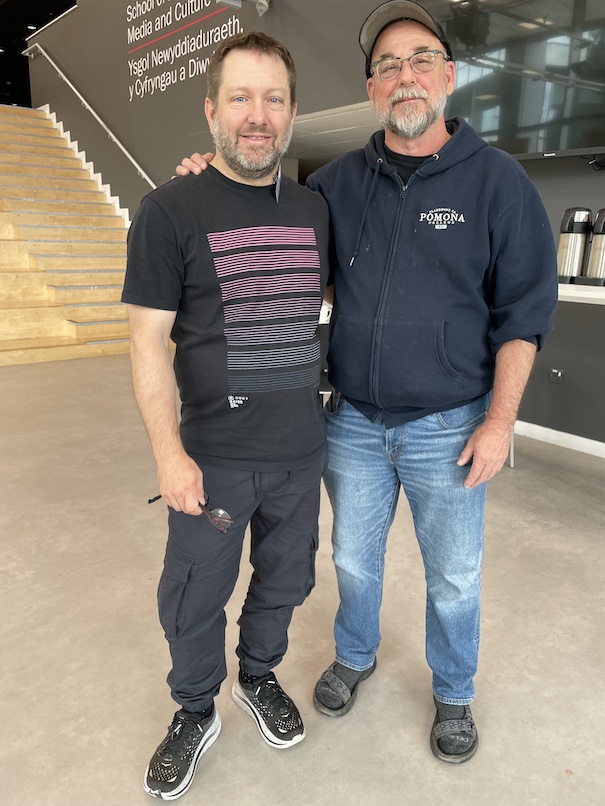
It’s really hard to do the 2024 Martial Arts Studies Conference justice in a write up. It’s an intense 3 days of thought-provoking lectures on all aspects of martial arts research that can open up huge vistas of unexplored subjects, ripe with possibilities for further study, or make you reevaluate what you think you already know about subjects you maybe thought were common knowledge. It’s attended by academics and researchers from all over the world and a few ‘civilians’, like myself, who are more populist writers or practitioners.
Maybe I could just recap a few of the things I learned after three days in Cardiff of having my preconceptions about martial subject gently poked, enlightened and challenged.
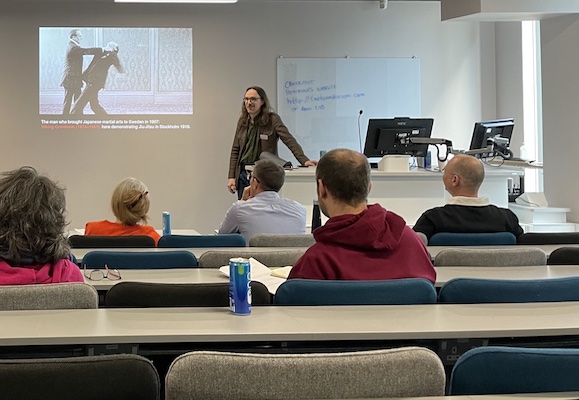
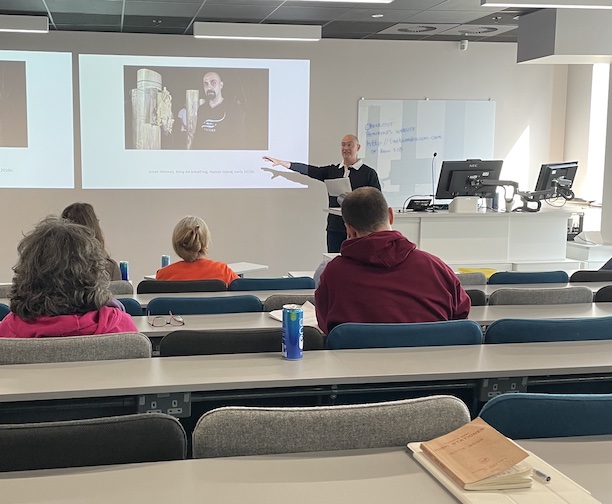
Firstly, I’m now much more informed on the subject of trauma-informed martial arts practice thanks to the excellent work of Georgia Verry who runs the Conscious Combat Club project and podcast who, as well as delivering a paper, ran a workshop on trauma-informed kickboxing. There’s also Dr Alex Channon and his work with the Love Fighting Hate Violence project on the same subject. I now have a new appreciation of the brilliance of 80s martial arts hero Cynthia Rothrock thanks to a paper delivered by Prof Meaghan Morris of the University of Sydney, and I have new ways to think about questions that used to fox me, like “why do you still do martial arts?”, thanks to a thought-provoking paper delivered by Wayne Wong. Daniel Mroz delivered new perspectives on martial arts history and Adam Frank gave me new ideas on how to think about qi. Scott MacMillan gave me some ideas about why Brazilian Jiujitsu answers life’s existential questions. And Tran Khải Hoài gave me insights into how Communist revolutionary Ho Chi Min may have influenced Taijiquan practice in ways we haven’t thought about. Yes, really!
But that’s just scratching the surface. The full schedule is here. I didn’t get to listen to all the talks as they were usually happening in parallel, so you had to choose which one to go to. However, I’m hoping they were all recorded and all appear on the martial arts studies YouTube channel soon so I can pick up the ones I missed.
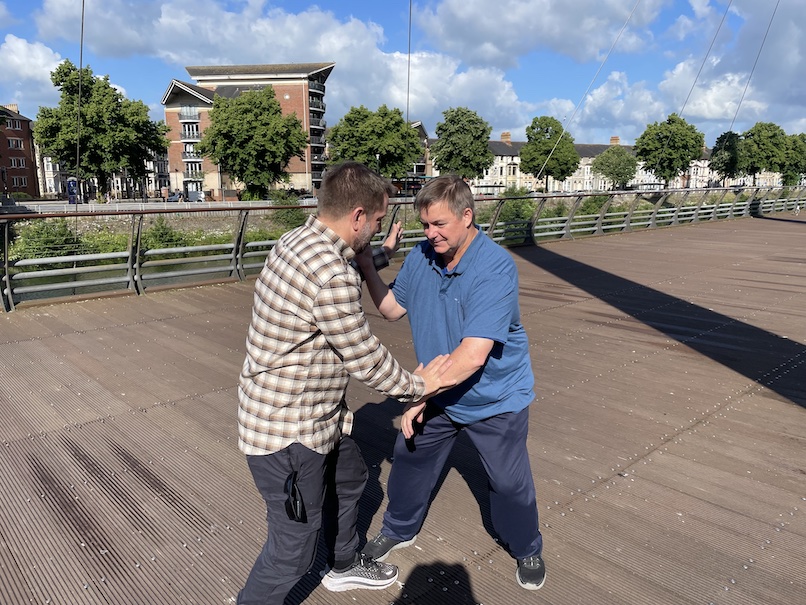
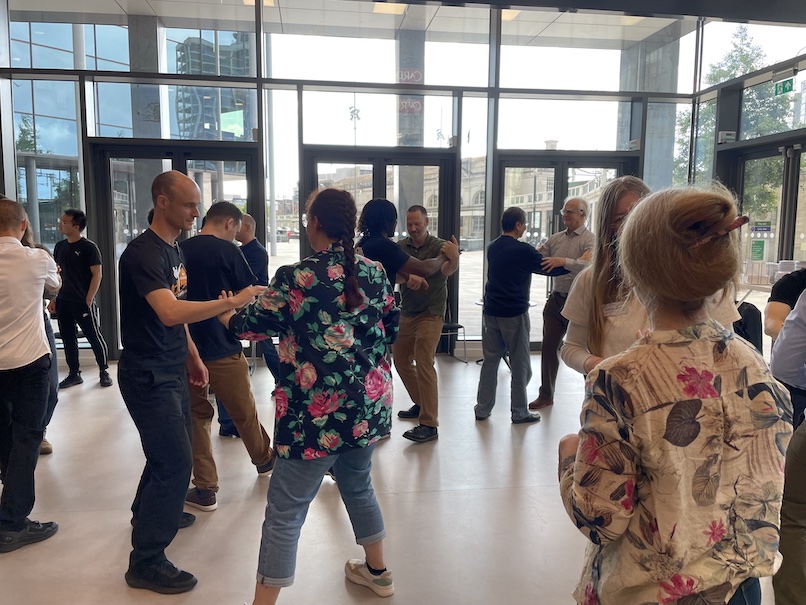
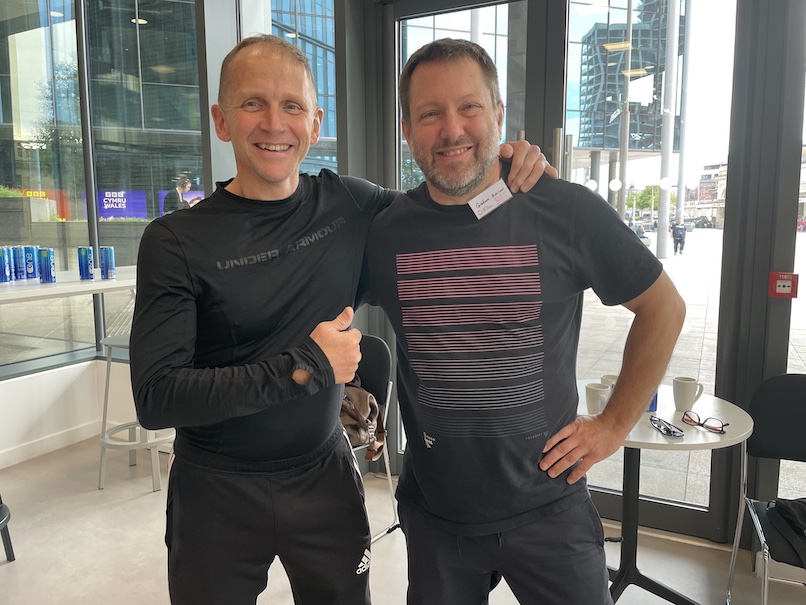
But really it’s the meeting of such a great bunch of people and the social elements that really make the event special. From an impromptu push hands session opposite the Millennium Stadium with Ian Sinclair from Canada to little demonstrations of martial technique here and there in pubs and restaurants in the evening (thanks Randy Brown!), it’s an invaluable opportunity to meet with really experienced practitioners of martial arts from all over the world. I got to talk at length with practitioners about Okinawan Karate, French Boxing Savate, Vietnamese martial arts, Capoeira, Mantis Boxing, Taijiquan, Ninjitsu, Aikido, Brazilian Jiujitsu, MMA and probably many more that I’ve forgotten, and regardless of the martial art, the positive conference vibe remained strong.
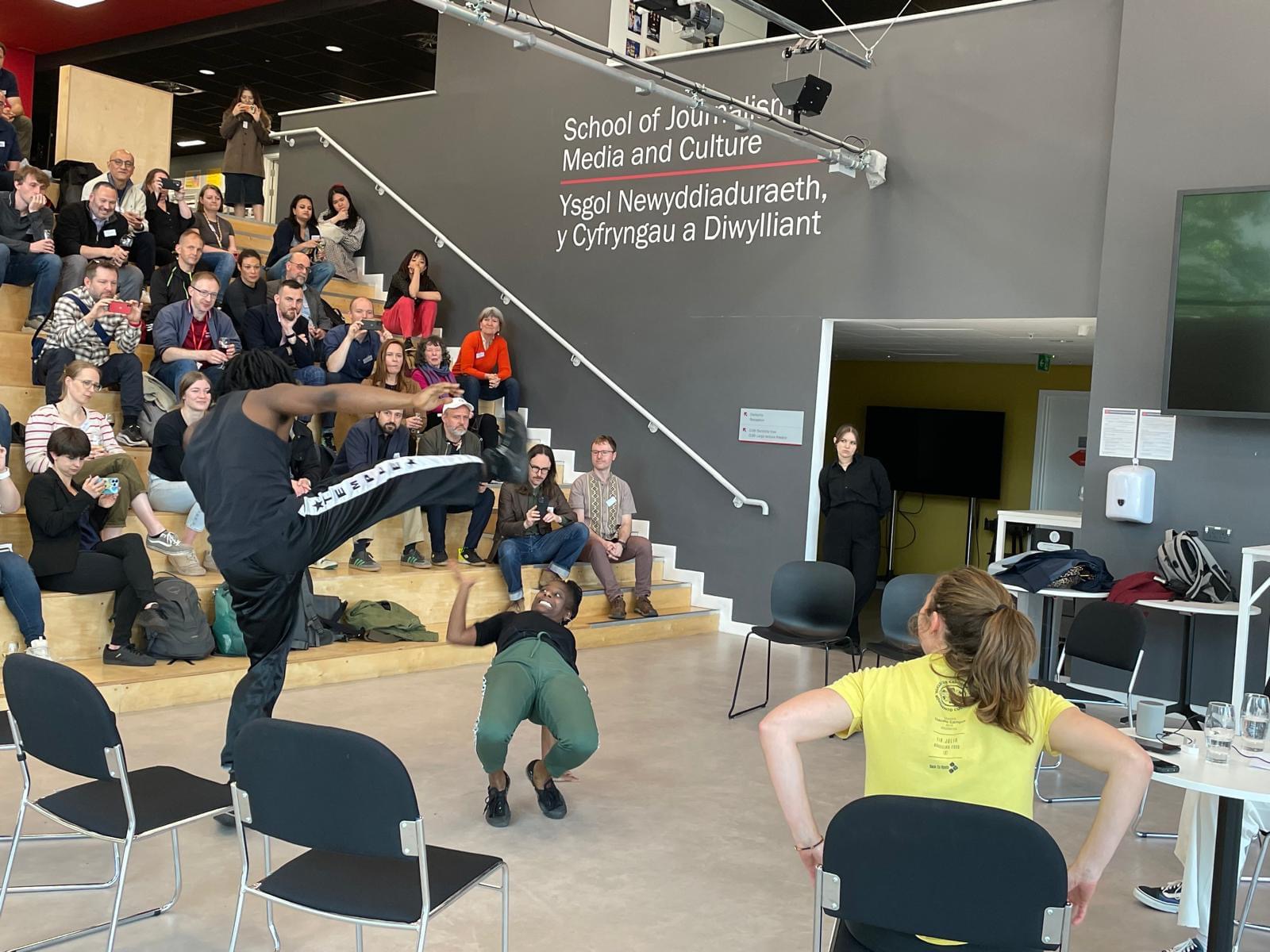
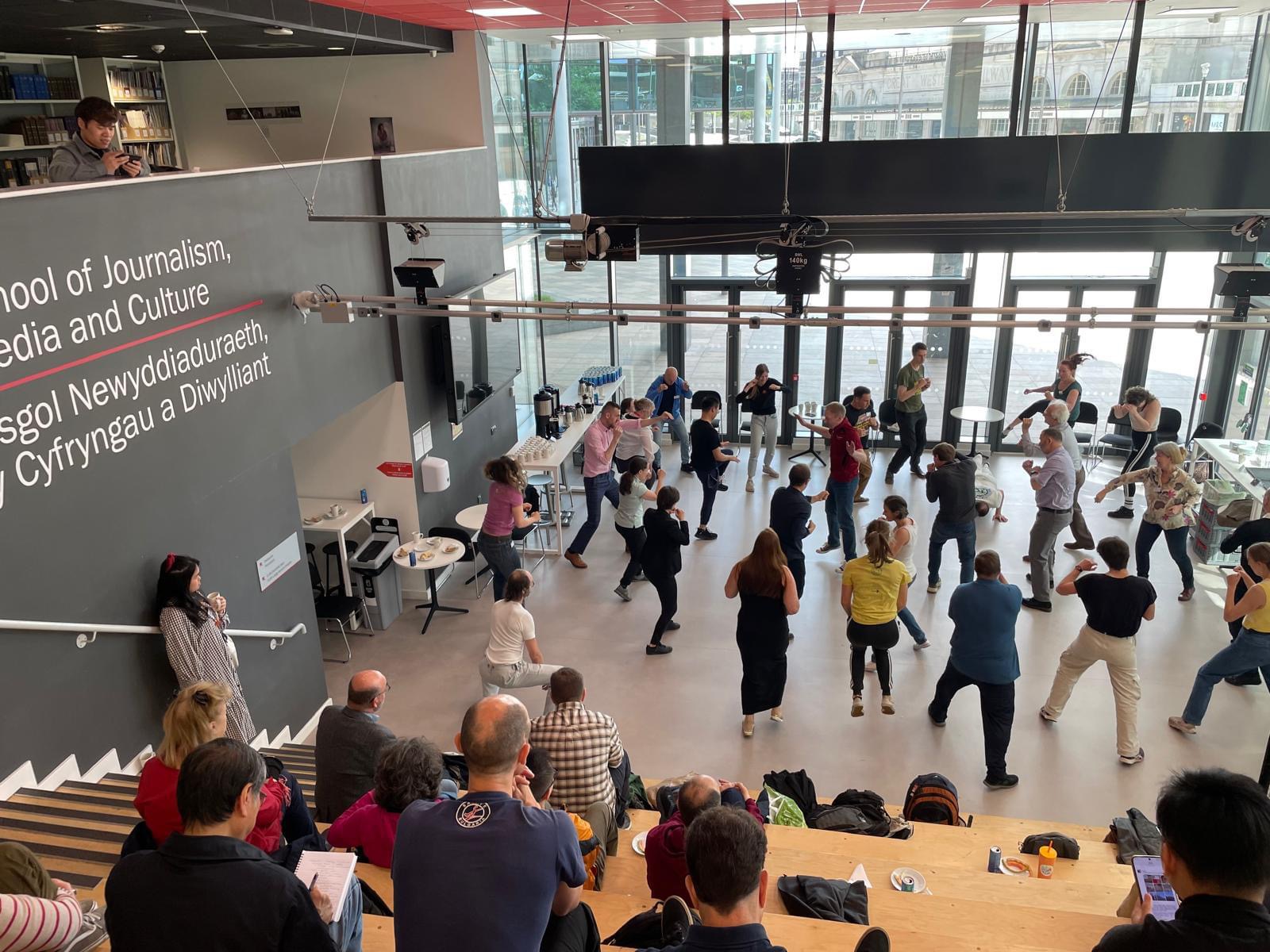
And let’s not forget the brilliant Capoeira demonstration that sought to teach us the difference between the Regional and Angola styles.
I didn’t want the conference to end, it was great to meet old friends and make new ones, and as one participant said “end of the MAS Conference Blues are a real thing”.
I’ve made lots of contacts so hopefully there will be more new faces appearing on my podcast in the weeks and months to come. Thanks to Paul Bowman for doing a great job organising it. Here’s to the next one.
 The Tai Chi Notebook