Mixed Martial Xing Yi Fight Analysis #2: Tom Aspinall vs Sergei Pavlovich

So, in my original post about using the Xing Yi 12 Animals to anaylse the fighting styles of modern MMA athletes (I know, it’s a small niche, but hey, I’m the only one in it!) we looked at Alex Pereira vs Jiri Prochazka and I speculated that they were good examples of the Chicken and Swallow Xings respectively.*

I left the reader with a question at the end… I asked them to take a look at another fight on the same UFC 295 card where British heavyweight Tom Aspinall took the interim heavyweight belt by defeating Sergei Pavlovich. The question was what animal style could we say that Tom Aspinall was a good example of. Take a look at the fight before reading further if, you haven’t already.

So, nobody decided to answer in my comments section but I got a few replies in private groups on Facebook, etc. One person got it half right, but they mixed two animals together in their answer, and only one was right. Interestingly most people seemed to opt for Tom being a rather large Monkey (Hu Xing). I get why, Tom is clearly bouncing in and out on his toes, despite being a massive human, but really that’s where the similarity with monkey ends. Monkey would try to attack from further out than Tom is standing, or from further in – it’s a very ‘in your face’ animal, but also a joker and a trickster. Taking pot shots, then running away. Remember the classic Monkey vs Tiger fight video? That’s Monkey. I can think of at least one modern MMA fighter who is a classic monkey – I’ll post about him in the future.

This charming man

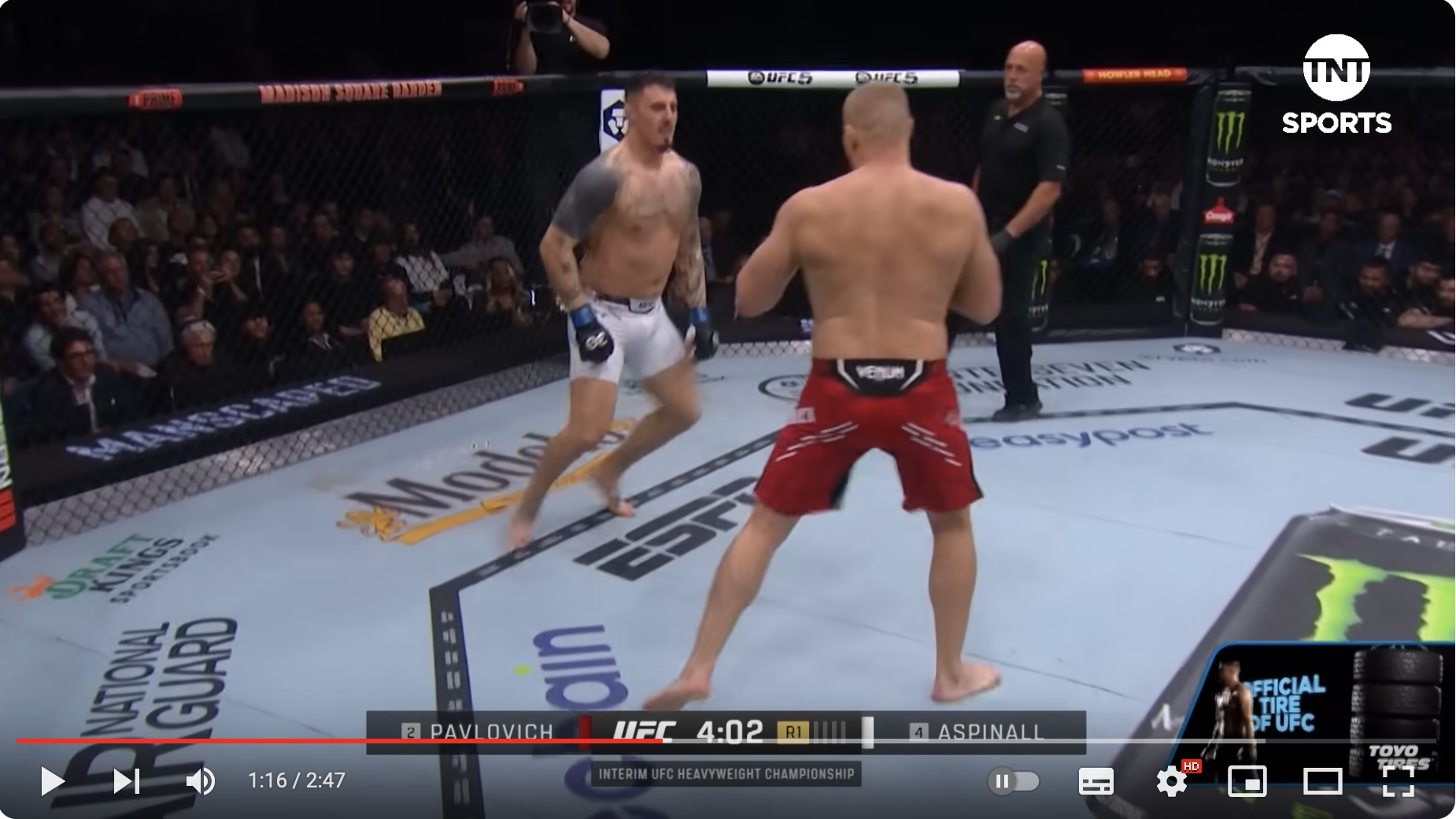
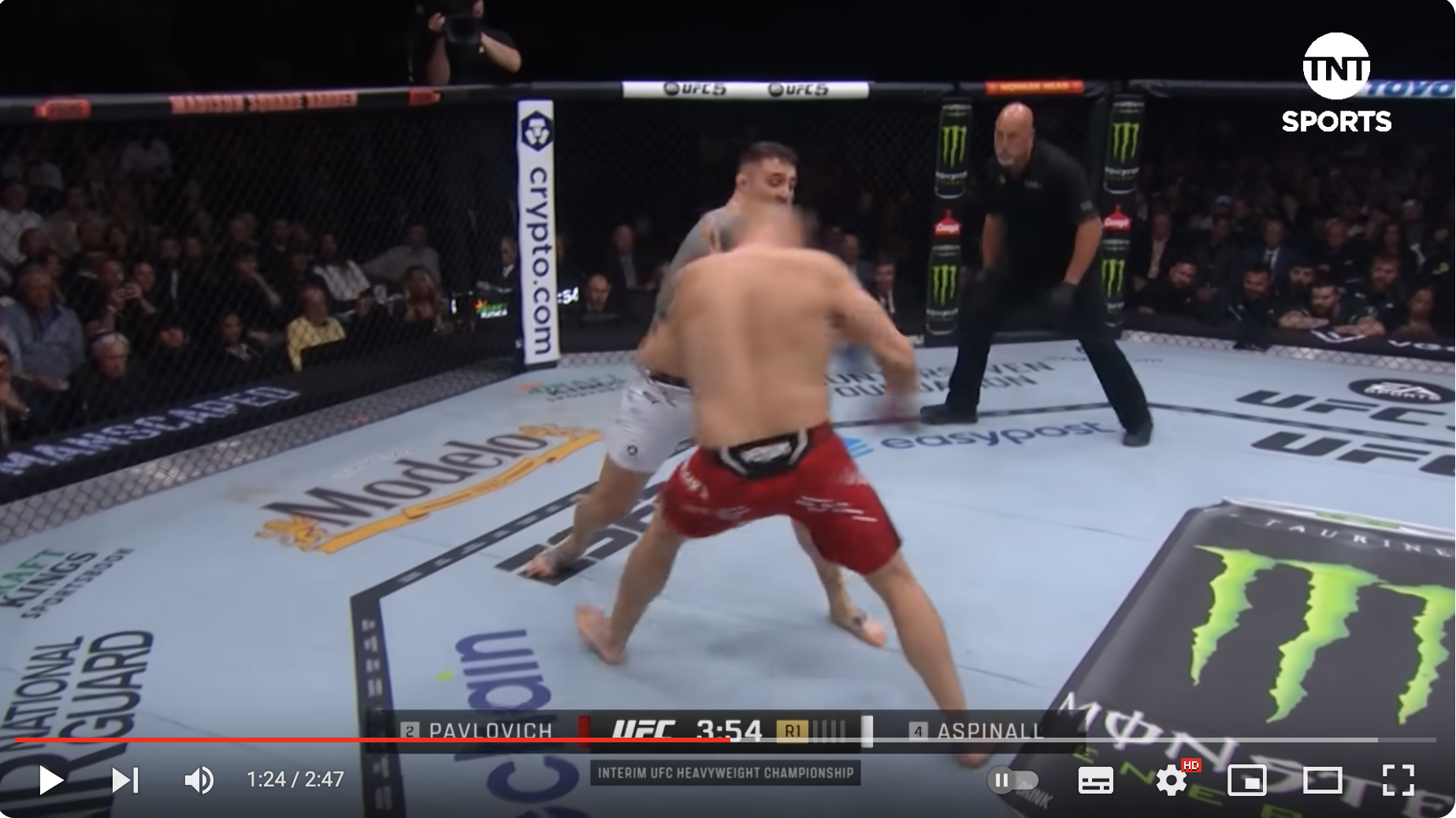
So, let’s look at what Tom actually is. He’s 100% Snake because Snake has Yin and Yang aspects. The key feature of snake is a coiling body, which can be used for either very quick strikes (Yang snake) or wrapping and coiling actions (Yin snake) for defence and grappling/locking. You can see this defensive coil aspect (Yin snake) particularly well when Tom is defending. There’s a little section in the round where he slips punches from Sergei while he coils and winds his body as he circles off – this is classic snake behaviour – just imagine if you were stupid enough to try to grab an angry snake by the neck – it would bend and coil around your hand, particularly if it was a python.
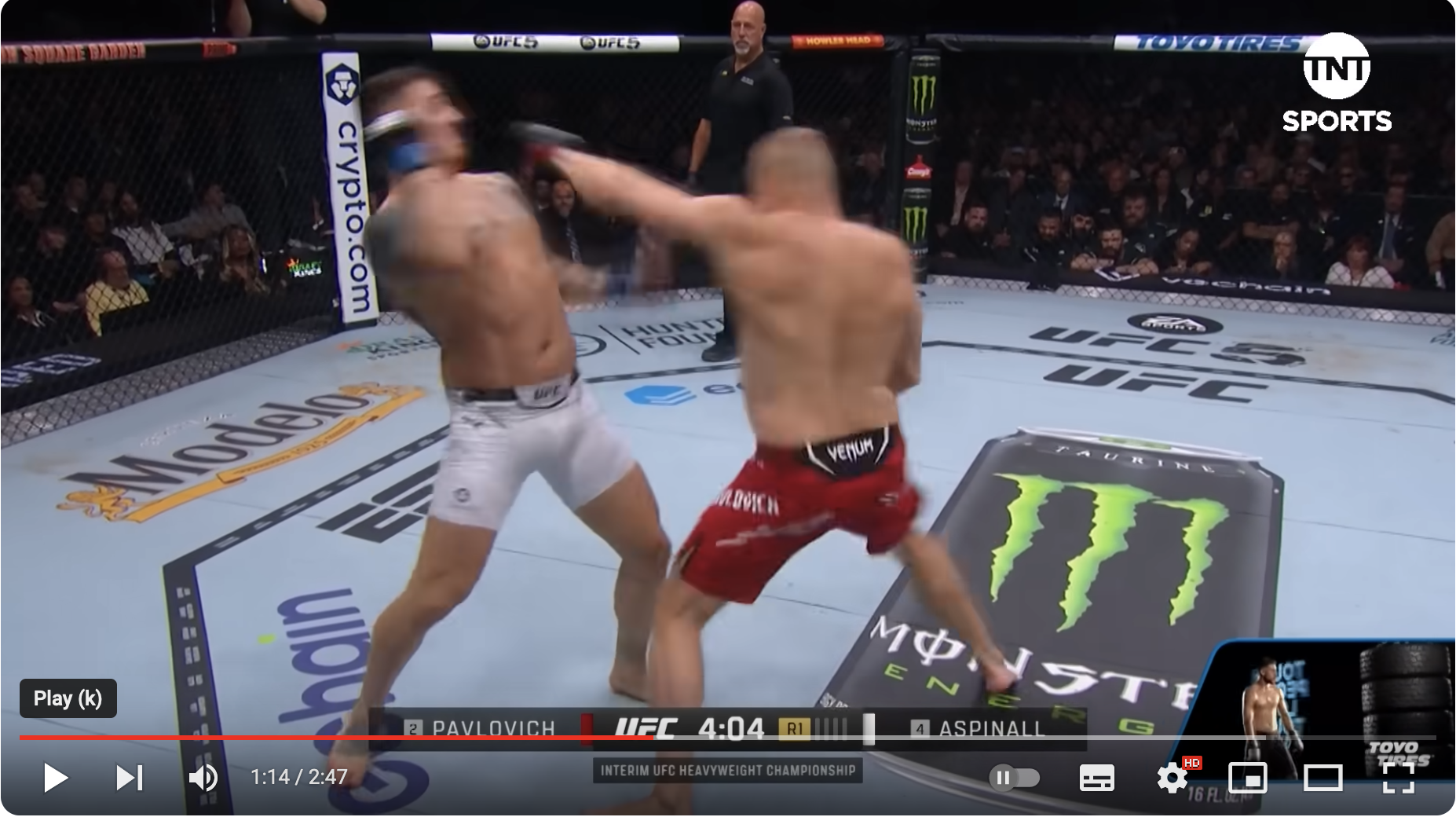
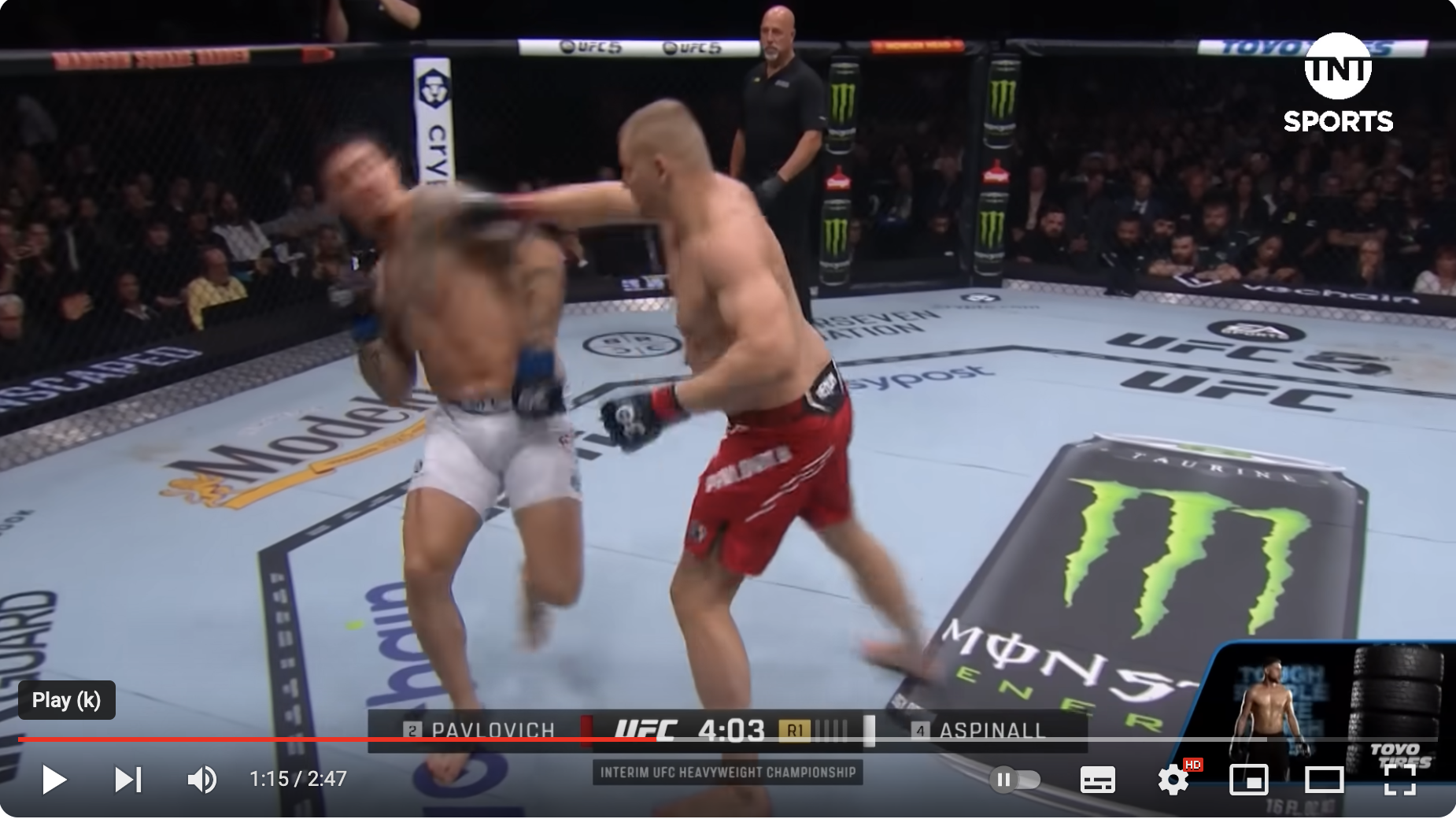
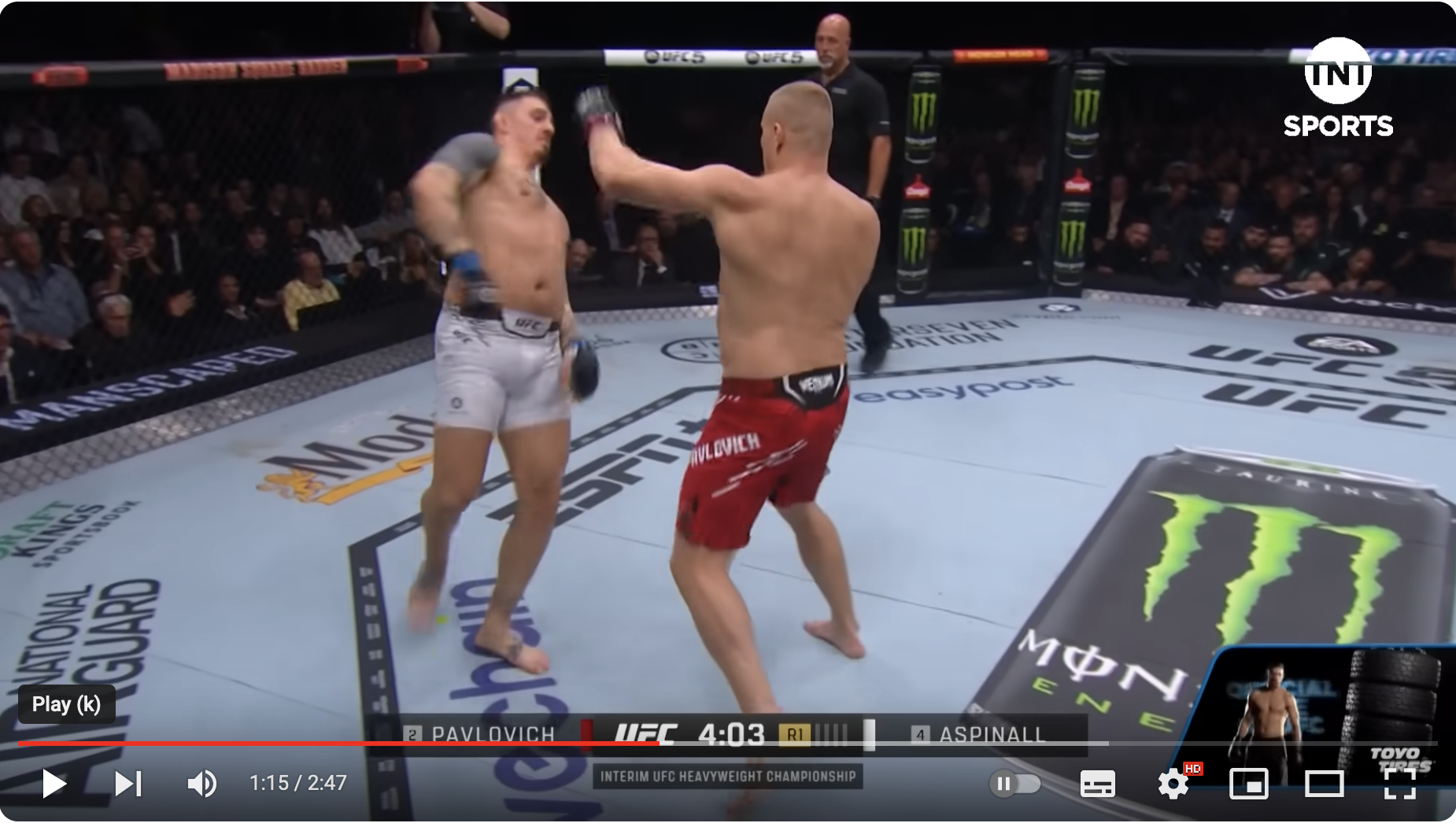
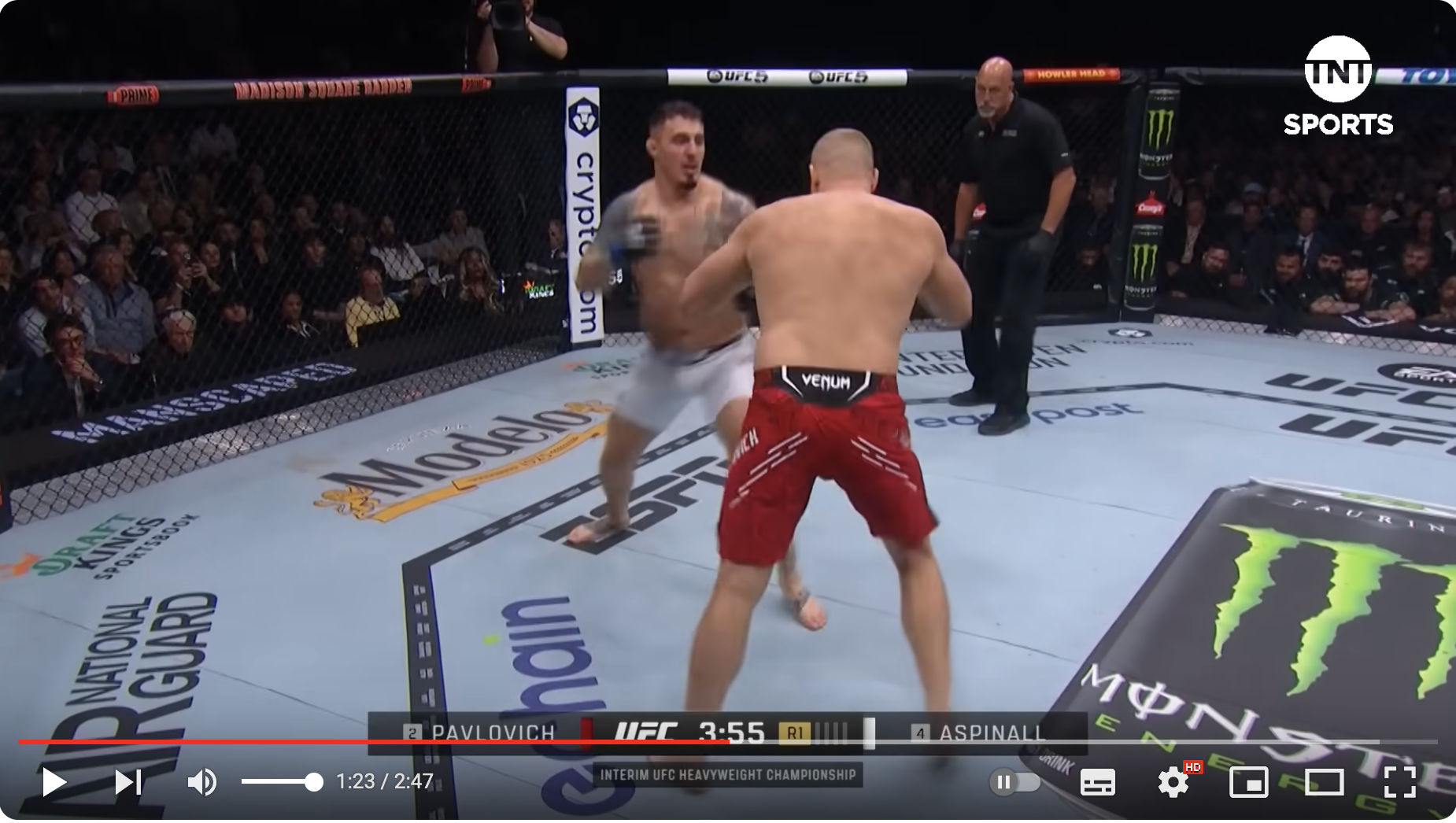
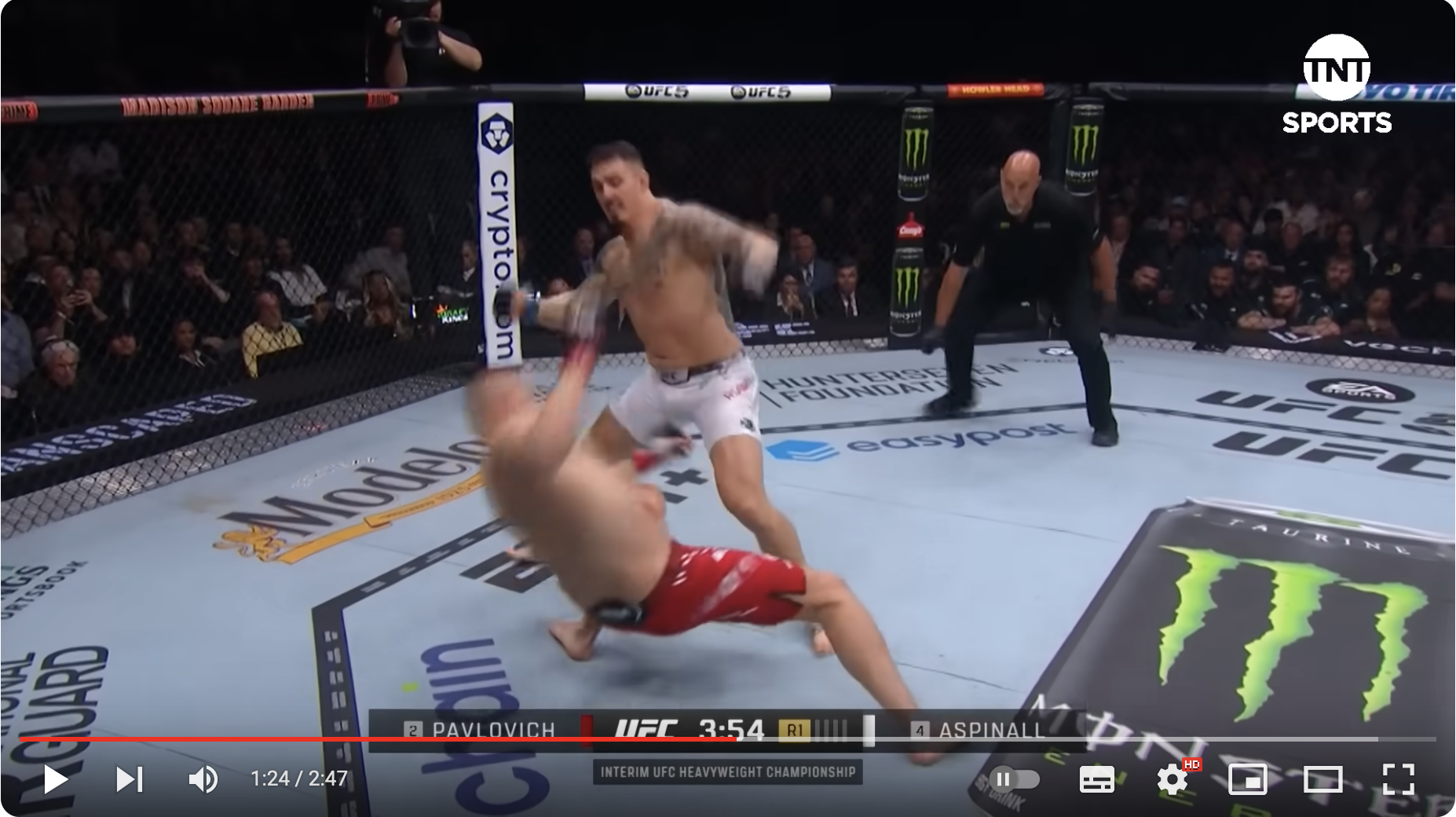
Snake’s are very aggressive, successful predators dating back to the time of the dinosaurs, and they’re always sensing forward, flicking out their tongue, and of course, they have the famous (and sometimes) venomous bite. When a snake bites the action is incredibly fast – you’ll notice that when Tom flicks out his jab the speed catches Sergei completely by surprise. For a big man he punches very quickly. The finish is so fast it’s hard to see, but Tom punches Sergei twice before Sergei can even react, steps back, looks at him, then punches him again sending him to the canvas:
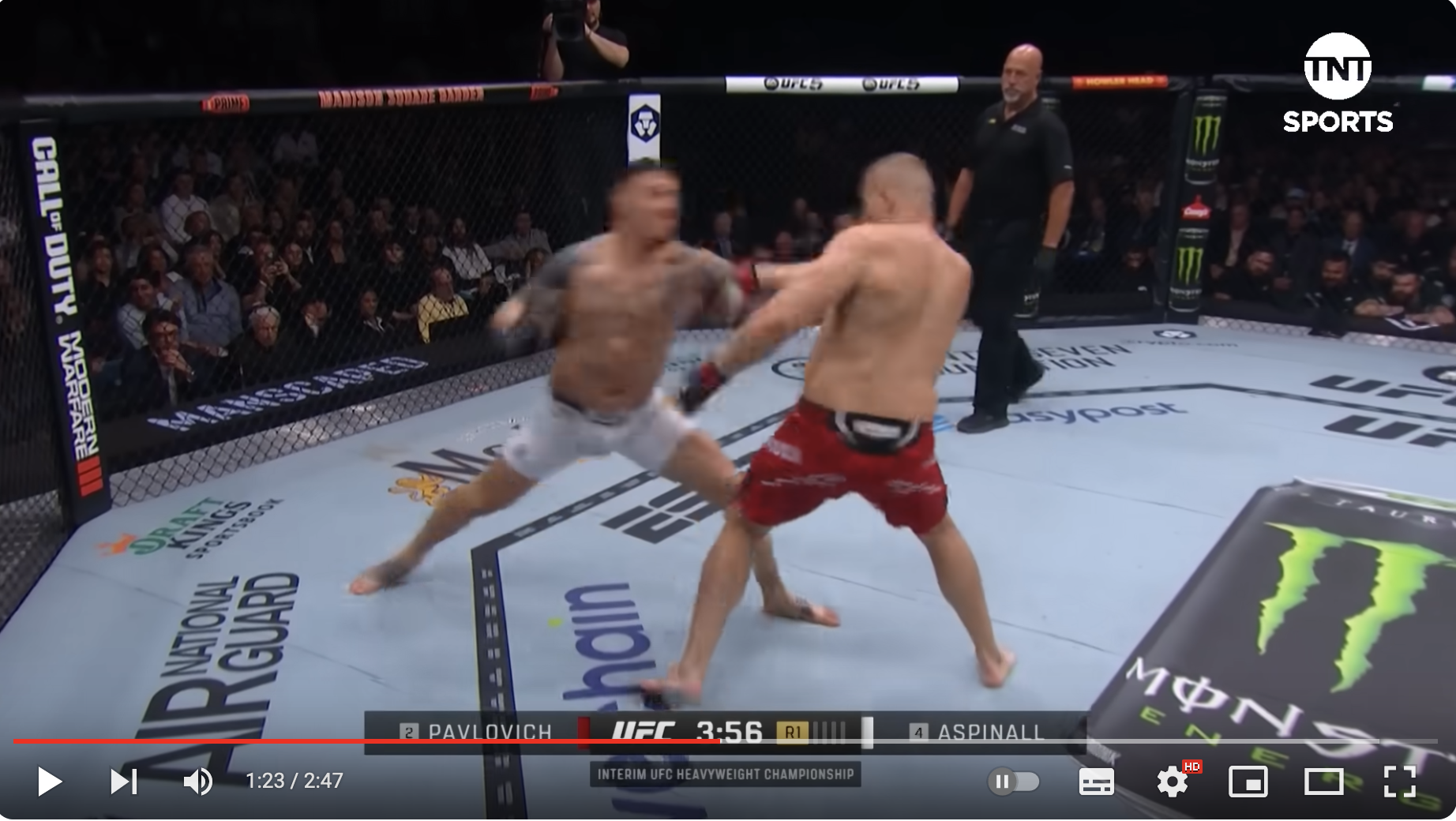
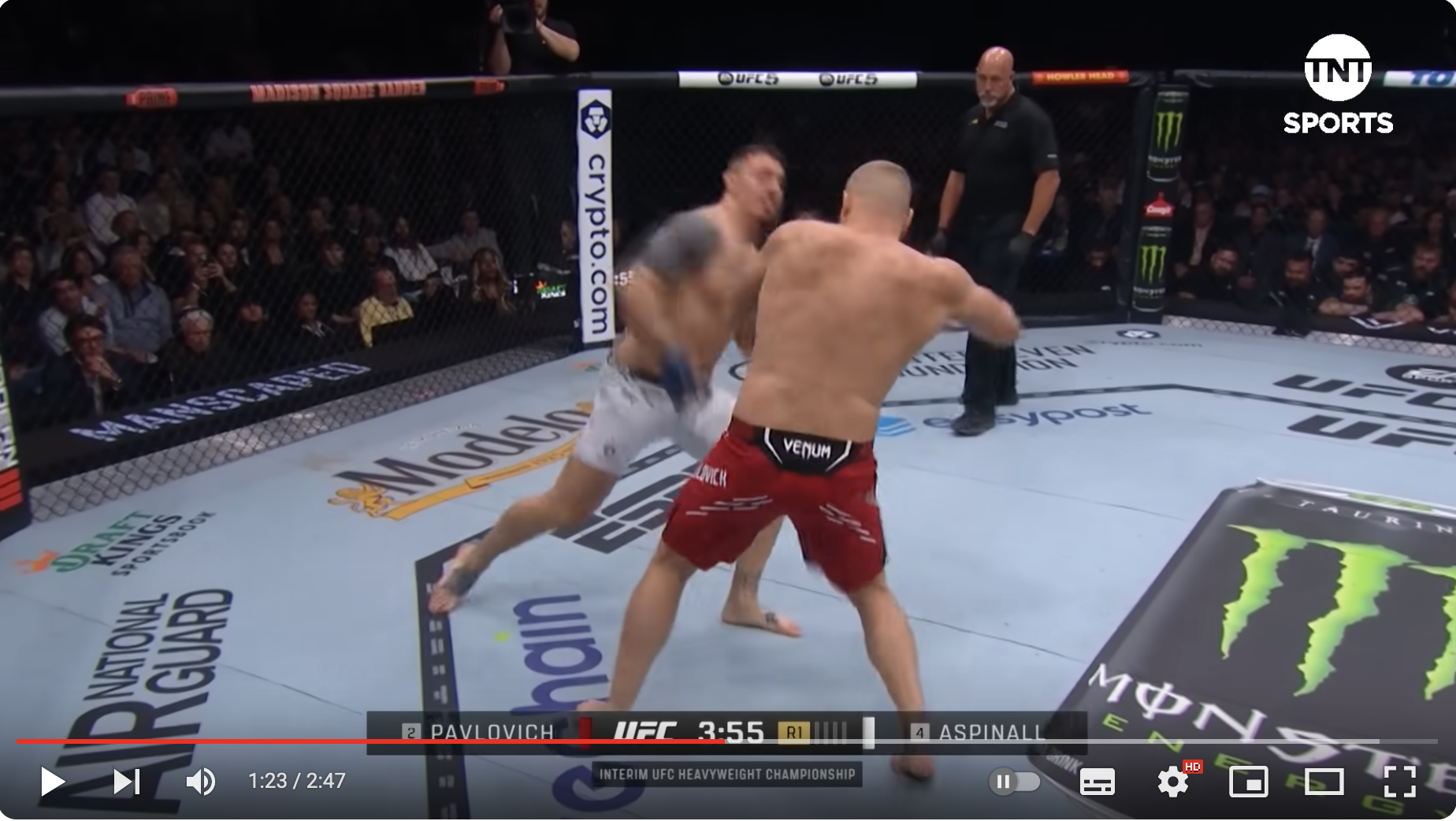
Throughout the fight, Tom is flicking out single jabs and single low kicks too, very quickly.

Snake in Xing Yi is also associated with locking and grappling actions – we didn’t see any from Tom in this fight, but that doesn’t change the character that Tom is showing. (He’s actually a very accomplished grappler as well).

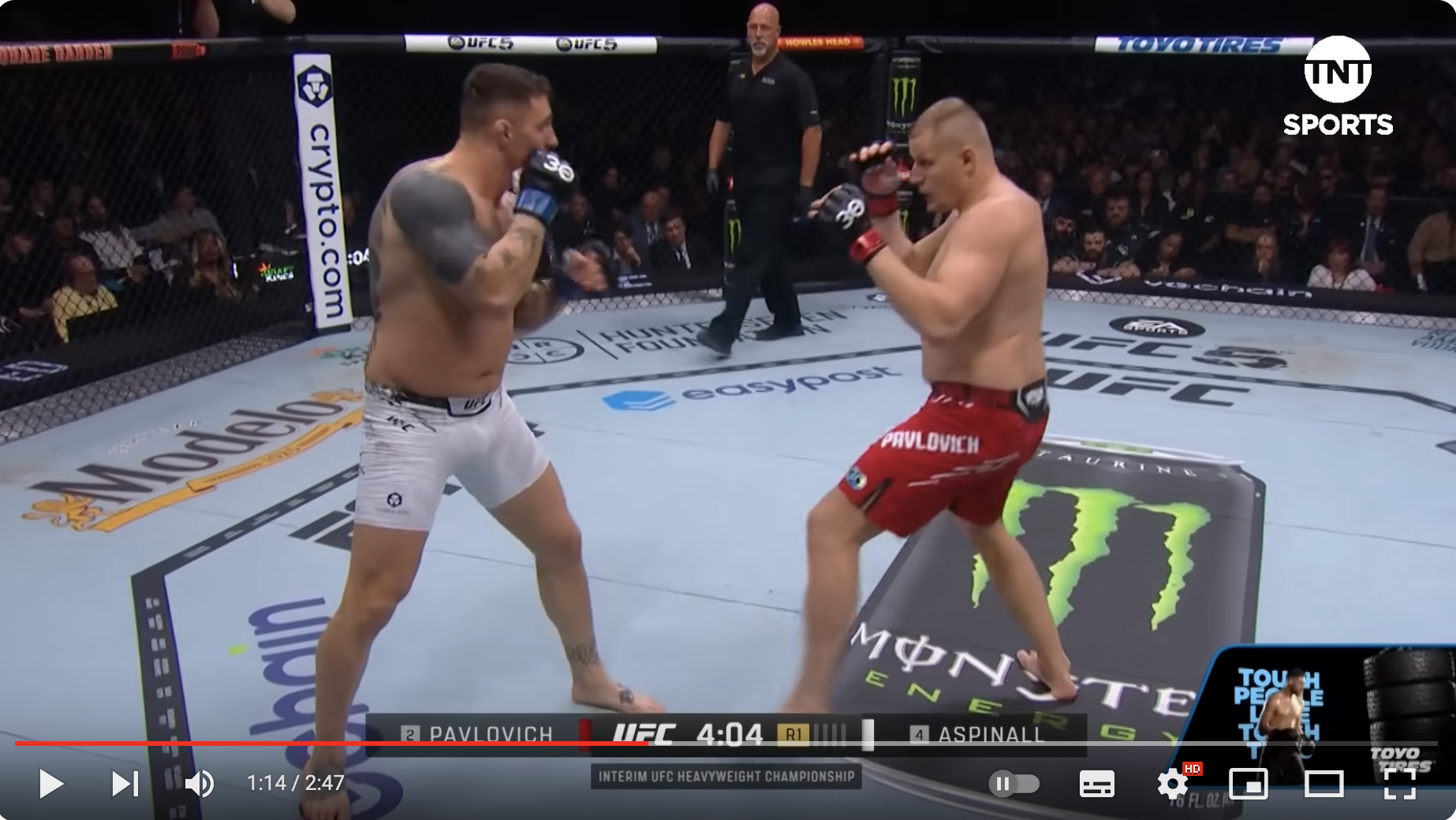
But what about Sergei? Well, we didn’t see much from Sergei in this fight, but from what we saw I’d vote Bear for him. His stepping is short as are his rounded punches. He’s incredibly powerful, and he landed the first strike of the match on Tom, which was so powerful he almost finished it there and then. Luckily for Tom he managed to absorb it. In our style we always include Bear and Eagle together, so I think Sergei’s got the potential for some Eagle strikes too, but the fight simply didn’t last long enough for him to show them.

Xing Yi snake (She Xing)

If you’re talking about snake movements performed in Xing Yi then it looks something like this:

You’ll notice you can see the elements I’m talking about here – fast strikes, coiling movements and grappling applications.

Here’s a video of me doing some Xing Yi Snake. I’m showing some berehand and sword here, but you can see it’s all the same thing.

Your mileage may vary
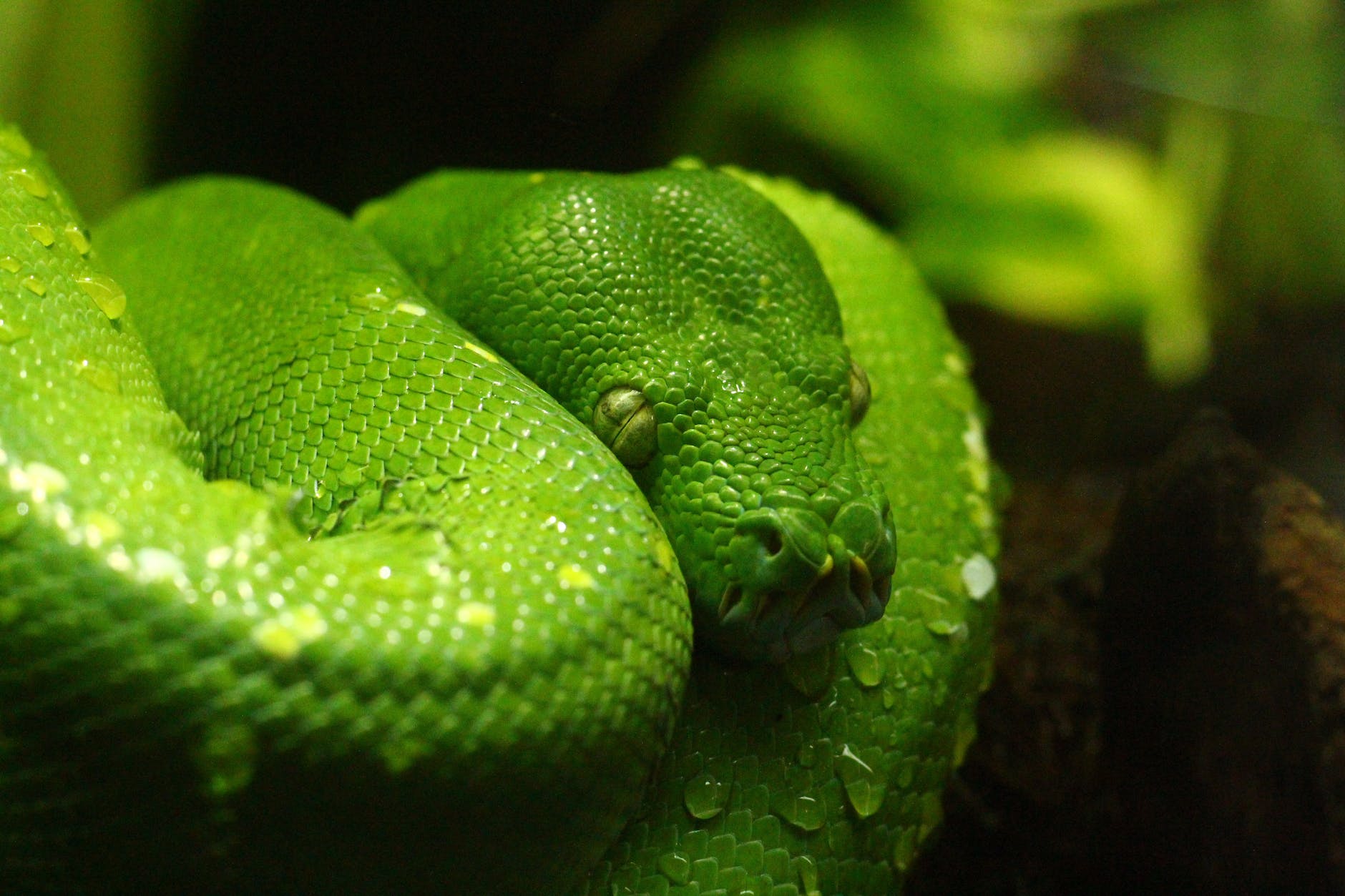
Photo by will on Pexels.com

* I suppose this post needs to end with some sort of “this is just my opinion” type of disclaimer. But I find people tend to get offended about everything they possibly can regarding Xing Yi these days, so I’m not going to loose too much sleep over it. And obviously Tom has probably never heard of Xing Yi – I’m just using it as a tool to analyse his fighting style. And if you want to enter an MMA match then MMA training is obviously the best way to train for it, not Xing Yi.

There are different lineages of Xing Yi, it’s been transplanted to different countries, and it’s very old, so it’s quite possible that none of my understanding of Xing Yi snake resonates with your particular lineage. It’s a sad fact that most Xing Yi animals have become just a set of techniques or moves, that have long since lost any connection to actual biological animals – successive waves of crushing political ideology, (both nationalism and communism) imposed on a marital art at the barrel of a gun will kind of do that. I will say however, that my understanding of Xing Yi snake is not really based on a particular style of Xing Yi, or a way of doing the move, but on tying to get back to what real snakes do. And I won’t say I wrote the book on Xing Yi Snake, but I did write one chapter of it.
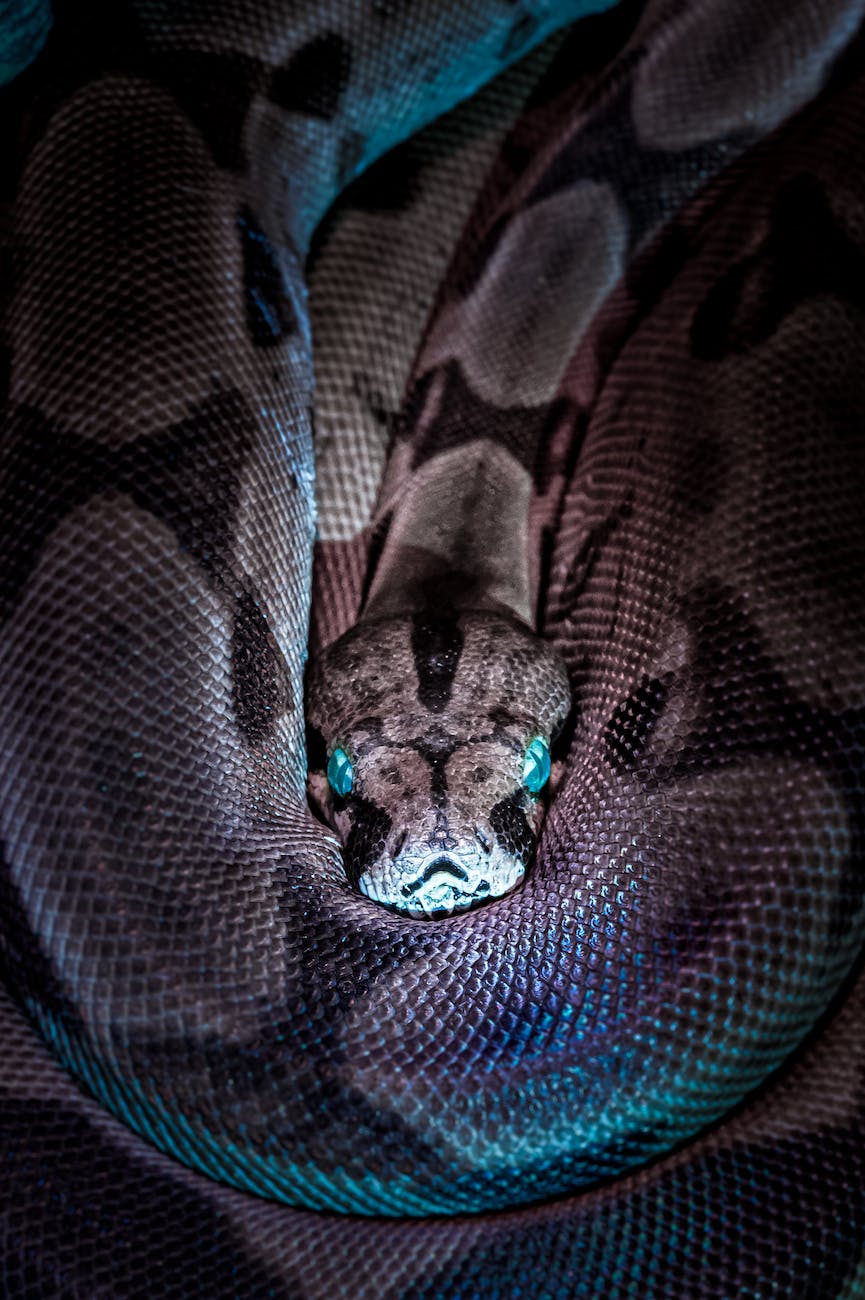
Photo by Jan Kopu0159iva on Pexels.com

Where should your elbows be in Xing Yi?

Today’s blog is about a weird quirk of the Xing Yi world. There’s a surprisingly large amount of online debate in Xing Yi circles about where the elbow should be when performing Xing Yi. I mean, a surprisingly large amount of debate. Especially for a matter that might, forgive me for saying this, be seen as trivial by people actively engaged in combat sports that actually spar with resistance.

Obviously, if you have some sort of two person free practice in your Xing Yi system that you actually engage in regularly, I’m not talking to you. I think the real reason why all these debates happen is simple – too much forms and not enough fighting.  

But, ok, there are other reasons. For example, details do matter in internal arts. Quite often we’re being asked to look in detail at our movements and micro movements to get the most perfectly coordinated and natural human movement possible. But without keeping one foot on the ground, (and grounded in the reality that sparring provides), the theoretical arguments start taking over and the art disappears up its own bum. A martial art that is predominantly forms-first is always going to be theoretical at best. To take the well worn analogy – you don’t learn to swim by practicing on dry land.

Long, explanatory videos have been made, back and forth, about why a certain person is doing it right or wrong because his elbows stick out or tuck in.

The problem stems from the fact that there’s a line in the Xing Yi classics that translates as: 

“The hands do not leave the heart and the elbows do not leave the ribs”.

But it’s how literally you take these words seems to be the crux of the matter. Now, I’ve seen videos of respected Xing Yi masters quoting this passage while demonstrating and their elbows are clearly leaving the ribs, if not in the horizontal axis, at least in the vertical axis. 

The reasoning behind keeping the elbows tight is sound – in boxing, kickboxing and MMA it’s generally considered best practice to keep your shoulders high and elbows tucked in close to the body to help protect the ribs. But boxers don’t tend to get hung up on this – as their individual style develops they don’t feel like they have to conform to the same ‘rules’ that the novice has to. They are free to develop their own personal style through experimentation and testing in the ring. I’m sure Prince Naseem was taught the same basics as Mike Tyson, but look how differently their boxing styles turned out in the end.

So, (and I know, dear reader, that you are just dying the hear this), what’s my take on where the elbow should be in Xing Yi?

Well, I’m glad you asked. Rather than getting hung up on words in an old writing (that may or may not be old at all) I prefer to get hung up on history. I mean, you have to get hung up on something, right?

Xing Yi is generally considered to be descended from military spear fighting. If you hold a heavy spear it becomes readily apparent that your best chance of wielding it with power is to keep it in front of the body, not out to the sides. It’s the same when you hold any heavy object – you are stronger when your arms are in front of you holding it than when they are at your side holding it. This is the truth I feel these words are aiming towards, and generally the postures and techniques of Xing Yi all comply with this idea of keeping the elbows in and the arms in front of the body, not to the sides. There are exceptions though. For example, Xing Yi Bear has a much rounder posture, with gaps under the elbows, more like the Yi Quan standing postures.

Professor Yu Yong Nian, demonstrated Yi Quan standing posture from https://zhanzhuangchikung.files.wordpress.com/

Some postures in our Xing Yi dragon and chicken links are for hitting with the elbows and we hold them out to the side when doing so, but in these cases you are normally (but not always) standing side-on to the opponent, so the elbow tip is pointing at the opponent, so in that sense it is not ‘out to the side’. 

A good example is this famous Liang Yi Zhuang posture from Baji, which is similar to the chicken posture I was talking about. (Baji is another Northern Chinese martial arts, that is a bit similar to Xing Yi).

Picture from https://bajiquan.fandom.com/wiki/Liang_Yi_Zhuang_两仪桩

I mean, we could decide that viewed from the opponent’s position the elbow is in line with the body, therefore it is not leaving the ribs, but the hands are not in front of the heart. No way. Are we therefore going to decide that this posture, taken out of context on its own, is wrong because it doesn’t correspond literally to some ancient writing that may, or may not, have been referring to a specific context?

Here’s another theory: I think what the whole thing is quite possibly about how soldiers work in formation on a battlefield. If Xing Yi does have military roots then a line of soldiers on a battlefield would all be orientated towards the enemy, standing side by side in a line. That’s another good reason to stick the elbows to the ribs. Any bladed weapons going towards your sides would definitely not be welcomed by your brothers in arms. 

Ultimately, I don’t expect this post to have really made a difference to the debate. I feel like this one is just going to run and run forever. So long as there are mainly theoretical practitioners of the art there will be always be many theoretical debates about how what somebody is doing is right or wrong in relation to some ancient writing.

I just think people’s efforts would be better put to trying moves out on other people and getting feedback that way. As one of my teachers used to say often:

“There is no such thing as correct technique, there is only appropriate technique.”

Why are Bear and Eagle always together?

A nice email from Paula asks: 

“I am curious to find why Bear and Eagle are always together. Have you come across or know of any reasoning behind this?

Thank you in advance for your time!”

This is a good question – if you practice Xing Yi you’ll notice that all the animal forms are practiced as individual animals, yet Bear (Xiong) and Eagle (Ying) are often mixed together as something called a “harmonious fist” (He Quan). (Although you also find them as separate links too). There are a few reasons why this is so.  

Photo by Rasmus Svinding on Pexels.com

Firstly, although Xing Yi has no particular connection to Taoism, it does make use of the concept of Yin and Yang. All the animals have Yin aspects and Yang aspects – this can be most clearly seen in something like snake, where the yin aspects are represented by the pythons – crushing, choking and coiling, and the yang aspects are represented by the vipers – quick, darting and venomous.

In Bear and Eagle, each animal represents an extreme of the postures found in Xing Yi – Bear should be the most extreme Yin (softer, heavier, shorter posture) and Eagle the most extreme Yang (hard, powerful and big). Bear is only ever Yin and Eagle is only ever Yang. So, to have a balance of Yin and Yang, both are practiced together to produce the optimum fighting strategy.

Bear is used at close range, rolling on and around attacks through your structure and position the attacker should naturally lands on the end of your blows. Think of slipping a jab in boxing and landing an uppercut. In contrast, the Eagle actively goes out to strike the opponent using long piercing strikes at a longer range. So, as a strategy they work well together. 

That’s the most basic reason.

Secondly, 英雄(hero) and 鷹(eagle)熊(bear) have the same pronunciation in Mandarin and Cantonese. This may just be a coincidence.

Now we can slip into the more esoteric reasons. This is something I’ve only ever heard from my teacher, but it makes no difference to the first theory, so let me present it.

There is an animal native to China and Japan called the Bear Eagle (Xiong Ying). In the west we call it the Mountain hawk eagle. (Spizaetus nipalensis in Latin.)

From Wikiepdia: “ it is usually perceptibly bulkier and more massive than most other members of its genus. It is seemingly the largest member of the 10 currently recognized species in the genus Nisaetus, notwithstanding the recently recognized Flores hawk-eagle (Nisaetus floris) (which was separated from the changeable hawk-eagle).”

You can see its powerful legs in this picture. I always like the little tuft it has on its head.

The bear eagle gets it’s name from the way it will grapple with prey on the ground – a bit like a bear. So this single animal represents both qualities. If you believe that the Xing Yi animals were derived directly from observing nature (which was the thrust of the Li movement in the Song Dynasty) then it’s possible that the hunting and fighting tactics of the Mountain Hawk eagle were studied to produce what we have handed down to us in Xing Yi. It’s an unprovable theory, but there you have it.

Ultimately, it doesn’t matter to me if you think of the Xing Yi animal as representing a separate bear and an eagle, or a mountain hawk eagle. It’s all the same thing, and you can gain a lot of insight into the Xing Yi link by observing all 3 animals. Sadly, YouTube is probably your best bet for that these days.