It’s pretty good! I particularity enjoyed the ‘Wu chi’ standing at the start where he emphasises relaxing and releasing tension. Later on he gets into Feng’s HunYuan Qigong, but he’s using it more as a framework to teach his Ancestral Movement concepts. Fascinating stuff.
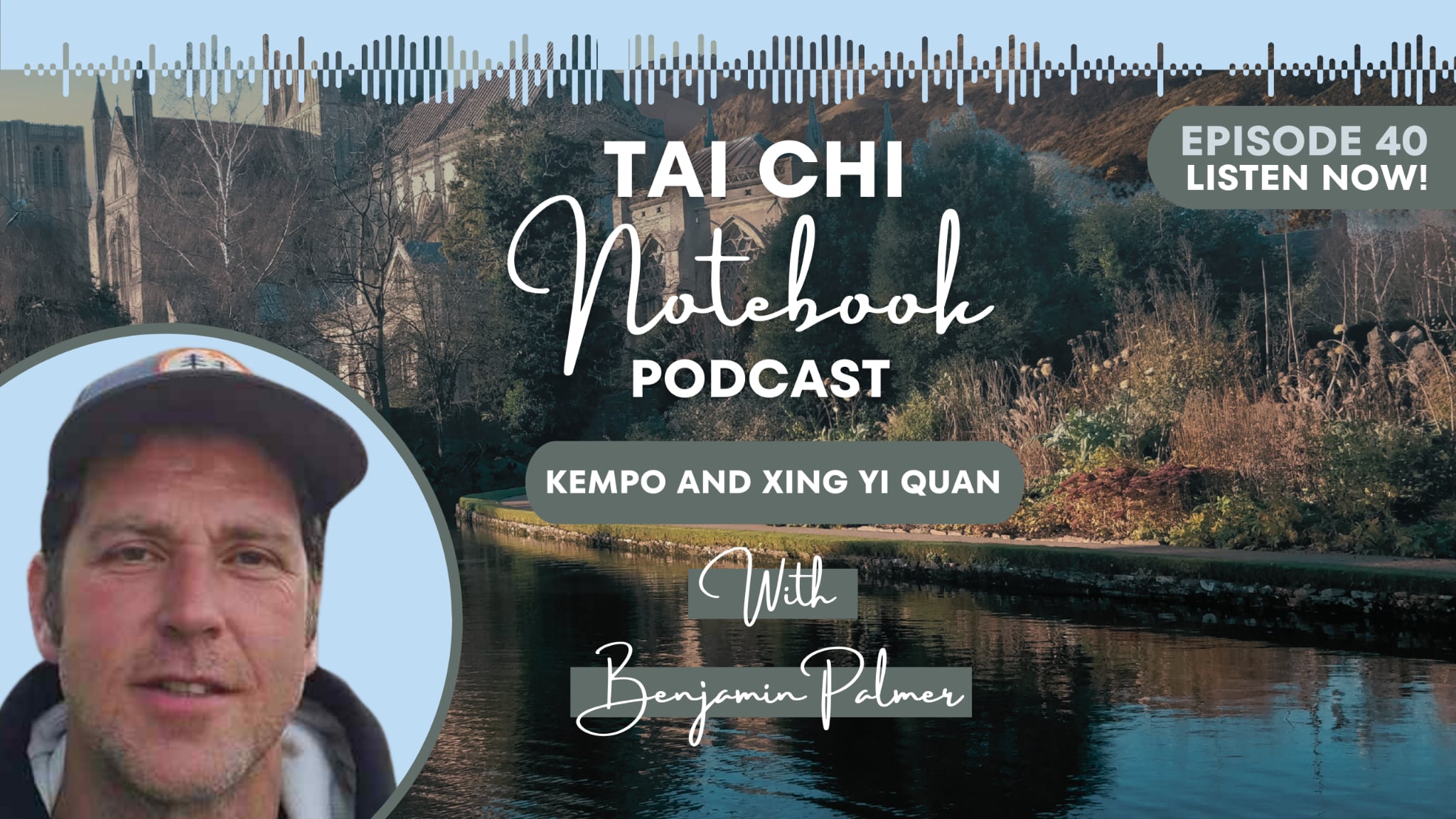
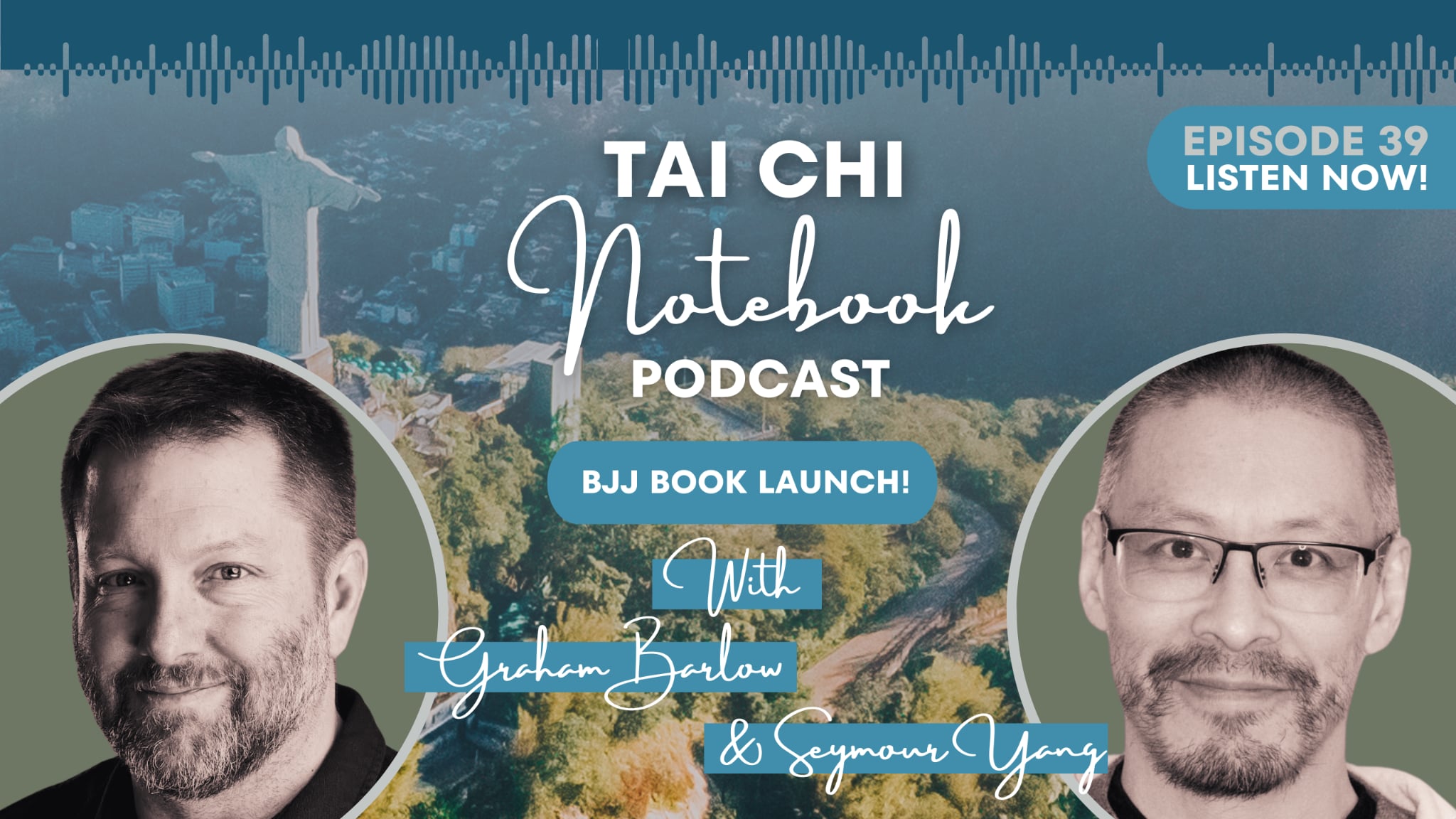
Episode 40 of the Tai Chi Notebook Podcast is out on Spotify, Apple Podcasts and elsewhere.
I’m joined by my friend Benjamin Palmer. Ben has been running a Xing Yi Quan training group in deepest darkest Somerset for a good few years now, but Ben has also been training Mishima Kempo, an eclectic Japanese martial art and is thinking of starting a class in that soon.
We share the same Xing Yi teacher, Damon Smith who has been a previous guest on my show.
I visited Ben’s Xing Yi class a couple of weeks ago to teach his group some grappling and afterwards we sat down for a chat, and a nice cup of tea, so here we are in Ben’s kitchen!
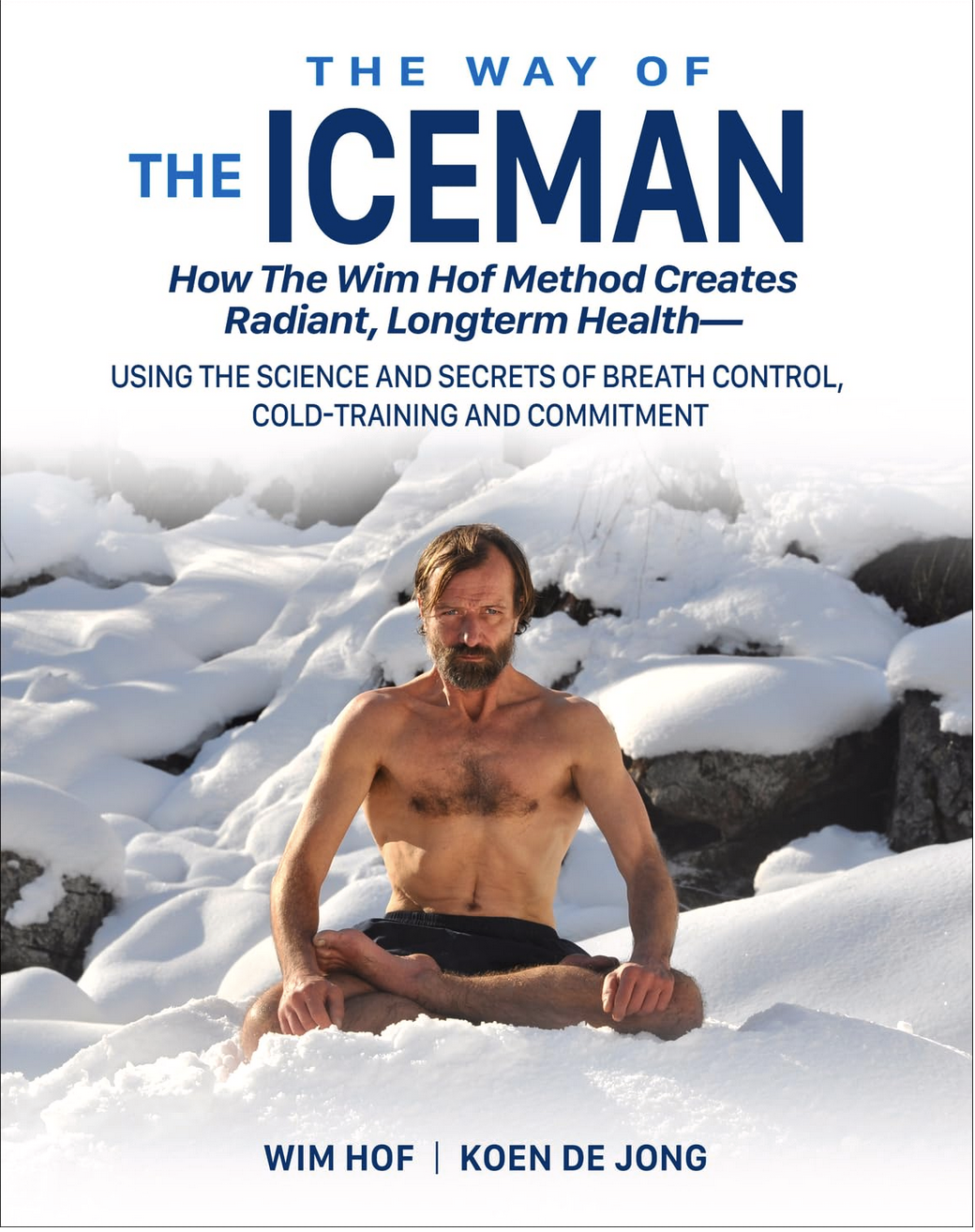
I’ve never been interested in Hoff’s breathing methods myself, I felt they weren’t going down the same track as the Qigong and Chinese Martial Arts I practiced, so I never tried them. But really, I’m just not a fan of: 1) cold and 2) holding my breath, so it never appealed to me.
And it turns out it’s a really dangerous thing to do in water. People have died doing it.
Carney’s description reads:
“He was once the most popular breathwork instructor in the world. He galvanized the ice bathing movement. But all good things come to an end. And Wim Hof’s end has been a long time coming.
How to time you strikes with your footwork, a video lesson
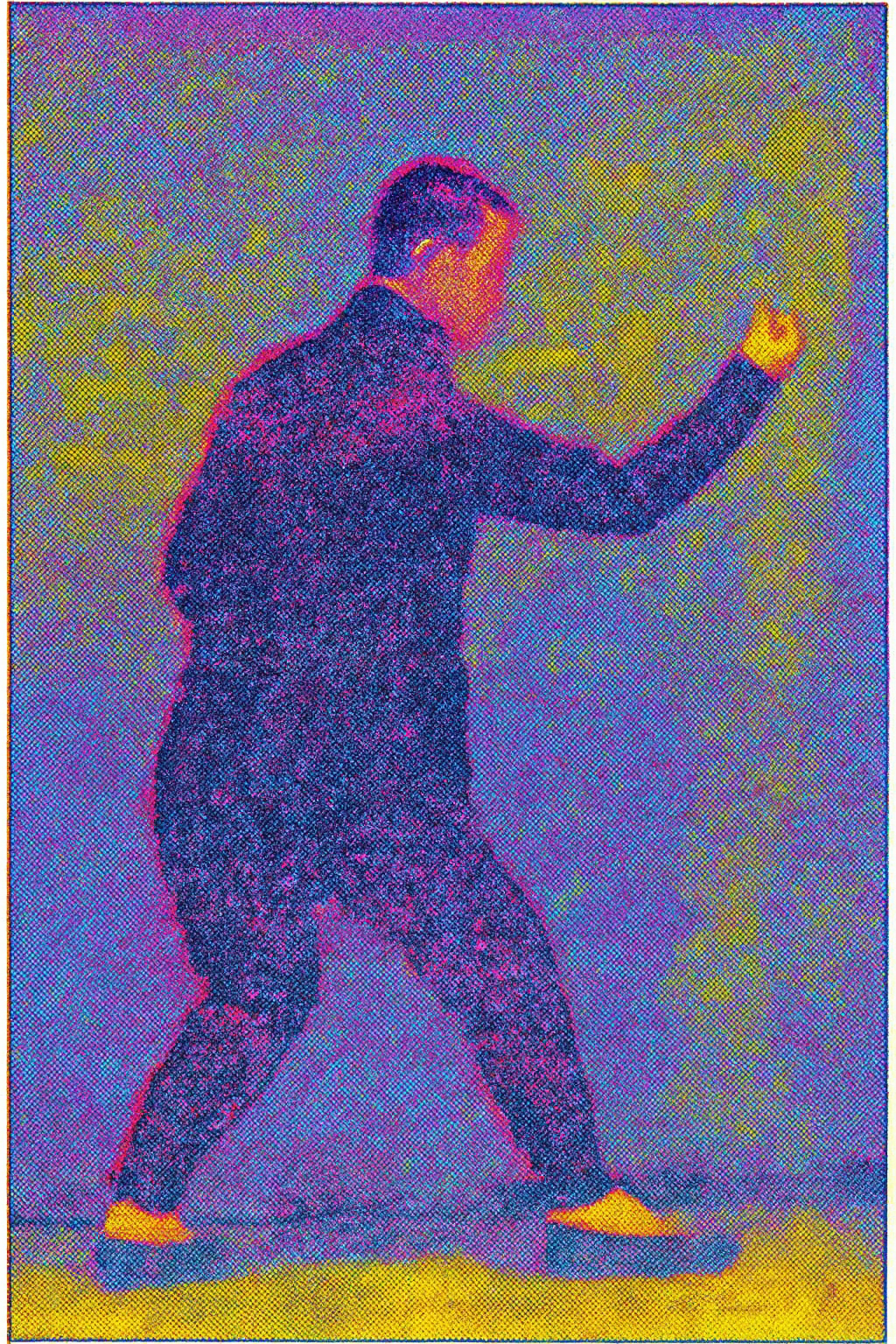
Sun Lu Tang, performing xing yi’s Zuan Quan.
Xing yi is a martial art I’ve got a lot of time for. The first thing I noticed about it was its approach to stepping and how different it was to other Chinese martial arts like tai chi, for example. In fact, the only other martial art I can think of that uses a similar type of stepping is yi quan, which is a derivative of xing yi, and perhaps Sun Style Tai Chi, which is obviously influenced by xing yi because it was the main martial art of the founder, Sun Lu Tang.*
When approaching xing yi for the first time, most people seem to be more interested in what’s going on in the body because it is an internal art. I think that, in a way, the label ‘internal’ is something of a blessing and a curse for xing yi because it leads to a lot of intellectualising about it, which is sometimes unnecessary. Before you need to start worrying about things like the internal workings of the body, I think you should be focusing on the footwork of xing yi, because that’s the key to getting the right feel for the art.
Xing yi stepping is different
It’s not like all Chinese martial arts don’t use stepping, (of course they do), but there’s something really nice and practical about the way xing yi uses stepping and striking in harmony*. If you look at a random xing yi link (its name for forms) then no step is wasted – something is happening on every step.
But it goes a bit deeper than than – the timing of what is happening is the thing to look for. The strikes combine with the stepping to put your mass into each strike, so rather than hitting people with just the weight of an arm, you’re hitting them with your whole body weight behind the arm.
I made a video about the timing of xing yi steps and strikes before and I’ve talked about xing yi stepping basics before, but a viewer of one of my YouTube channels, contacted me recently asking to know more about it, so I thought I’d make another video.
So, here it is – I’m demonstrating some standard ‘jab, cross, hook’ strikes on some pads first. There’s nothing special about this, then I look at how it would change if you were going to adopt the xing yi footwork. I show this with the weight staying on the back leg first, then I show how you’d do it with a palm strike and the weight on the front leg – in the way you do it with Bear (Xiong Xing). And then I show some xing yi movements in a linking form, where the steps and the striking are using the same timing. This is a mix of elements and animals.
Is there anything ‘internal’ in this? No, it’s just the mechanics of stepping and striking done together in the general way xing yi uses them. However, my controversial opinion (sorry, I’m trying not to get into arguments these days) is that you need to get this down first before you start with the more subtle internal stuff.**
* Yes, I’m sure there are other Chinese martial arts that use this sort of stepping sometimes – talking in generalities helps make a point, but it is rarely accurate.
** Xing yi is a big art, what I’m talking about is a feature of Hebei Xing Yi – other styles may vary and not use the same sort of footwork. I’m not attacking the way you do XY or the way your Sifu taught you.
The latest way of selling tai chi is to say it gets you jacked
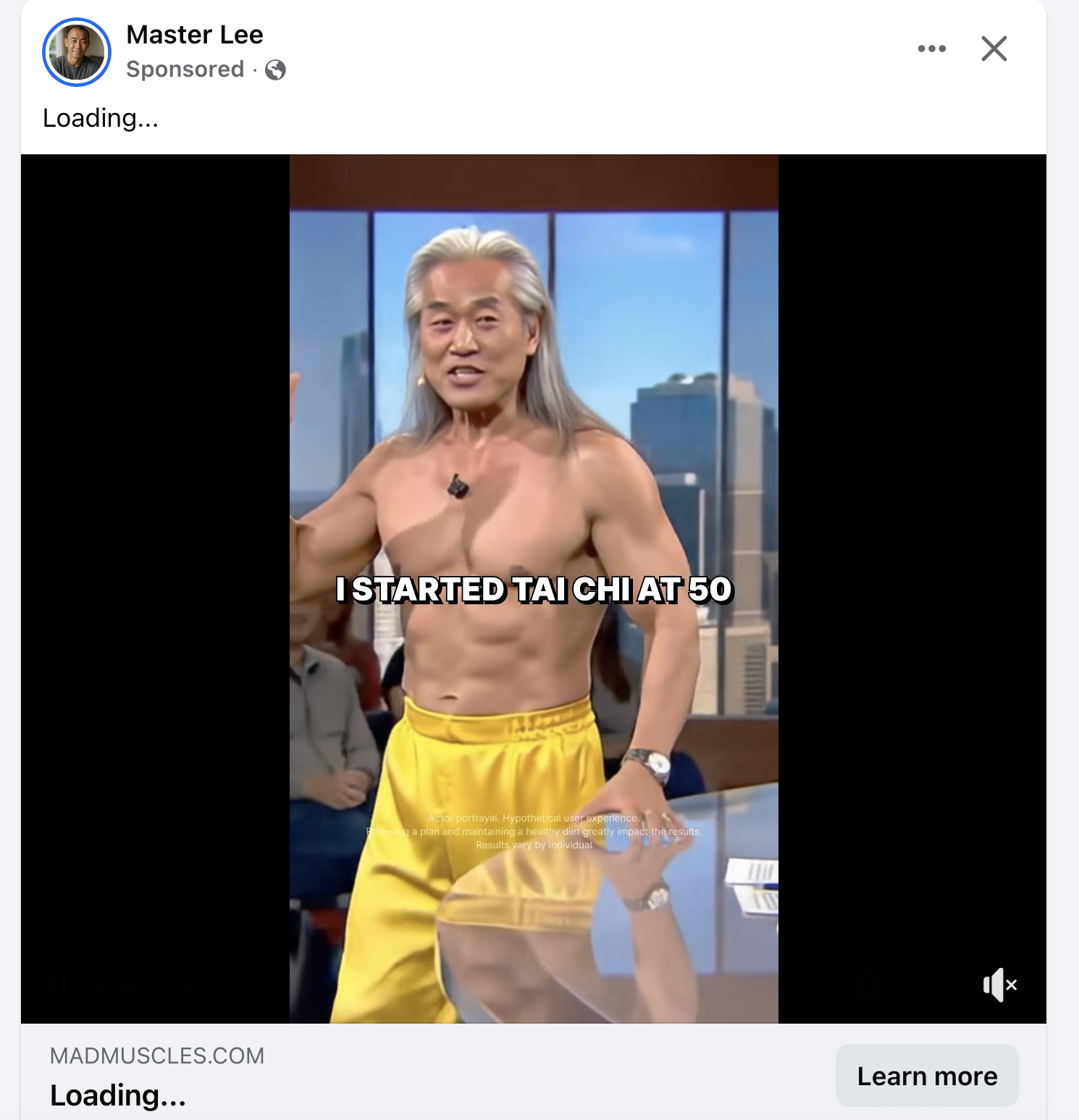
I’ve seen a lot of things come and go in the Tai Chi universe over the years, but the latest marketing trend has got me scratching my head. Almost every advert for Tai Chi courses I see on Instagram and Facebook at the moment promises ripped muscles and a hyper-masculine physique, mainly for men over 50!
Tai Chi, with its soft, slow, flowing, gentle movements, is perhaps the least masculine-looking martial art you could imagine, yet here is “Master Lee” strolling around a TV studio with his top off showing off his impressively-muscled abs, which he says he got from tai chi.
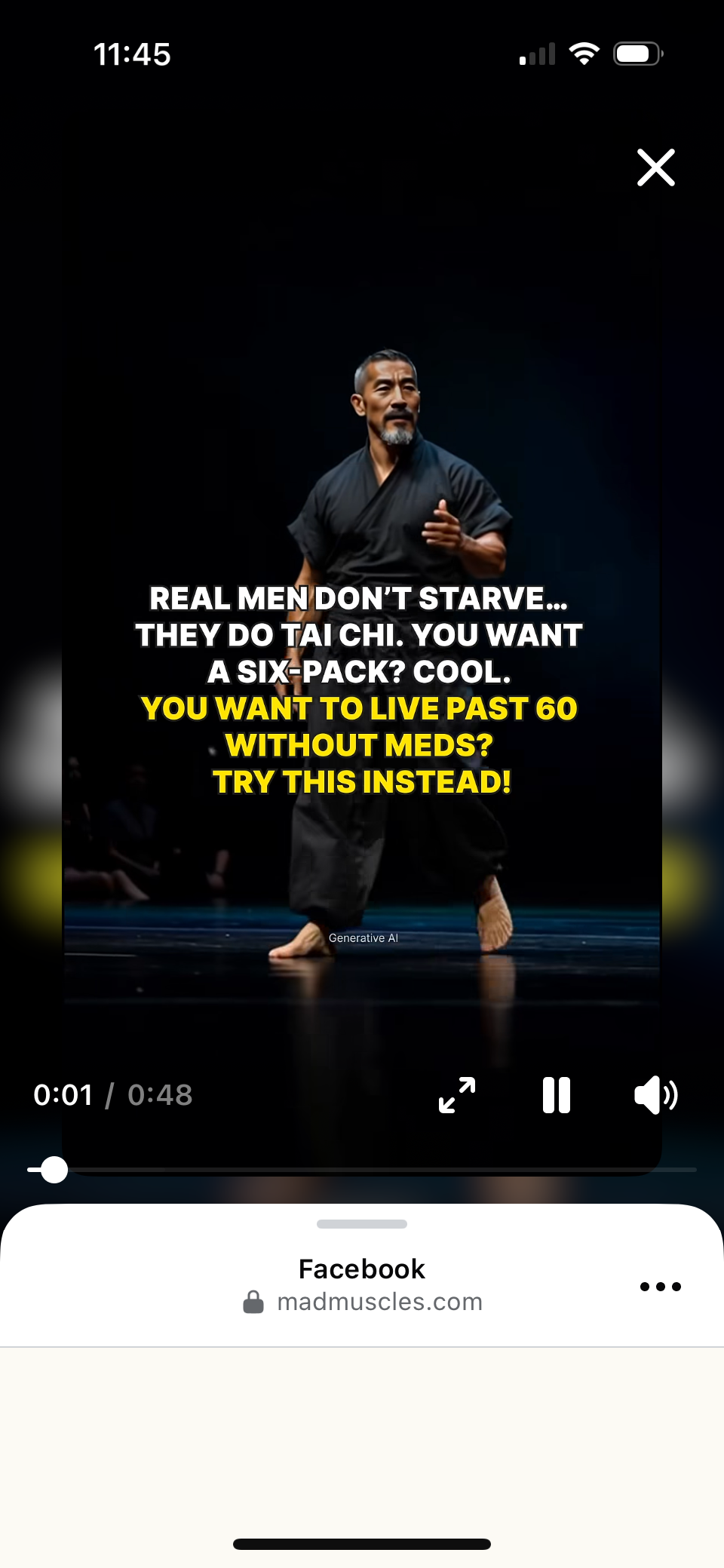
Or this guy, who claims tai chi is the path to a six pack. “Real men don’t starve… they do tai chi”, he proclaims.
So, what’s going on here?
Firstly, these confident, super-tonned Chinese gentlemen, are clearly creations of generative AI video apps. Everything about the videos looks as fake to me as the idea that tai chi on its own will get you that shredded.
Tai chi is good for many things, like learning how to use qi and jin and producing a feeling of tranquility, or as a self-defence system, but producing athletic-looking people over the age of 50 is really not one of them. *
When you look deeper into the exercises being offered here they look like simple, repetitive qigong-style movements. The idea that you’d replace weight training and body weight exercise with these and still build muscle is wrong, as far as I can see.
There’s no getting away from it, if you want to lose weight and build muscle you need a diet, cardio and weight training routine.
—-
* Now, I’m aware that there is another trend at the moment to train intensively with kettle bells and call that “tai chi” or “internal”, but really it’s no different to doing a kettle bell workout and not calling it tai chi.
Update – December 2025: I received a message from the person who posted the 1974 Whitehouse video linked below, who has written a Wikipedia article with more info: “I just published an article on Wikipedia regarding this chapter of wushu history: https://en.wikipedia.org/wiki/1974_China_national_wushu_team“
I’ve actually only just noticed a comment on my Contacts page from January by Robert Lepper:
“I suggest you do an article about the 1974 historic visit to the United States by the elite Chinese National Wushu Team. There was a famous visit to the White House Rose Garden with President Nixon, Dr. Kissinger and other dignitaries. In October 2024 the team celebrated their 50th year celebration of the U.S. performances in Beijing and Qingdao City. After the U.S. demonstrations in 1974 they demonstrated in Great Britain (1975) and many other countries. These martial artists were the best of the best. It was the opening of China and Chinese martial arts to the world. Jet Li at age 11 was on this famous team.
There are many pictures available and a news video (poor quality) of the demonstration in the White House Rose Garden.”
Well, this actually seems like a good idea, especially since it was Jet Li who was demonstrating. I had a quick look online, and yes, there is a video of the event, showing a young Jet Li demonstrating a 2-man wushu form in front of President Nixon:
From what I can see, this looks like a version of the ‘Shaolin 2-man form’ that I learned years ago. Certainly some of the still postures – like the one in the video thumbnail cover – are postures I recognise.
Nixon first visited Beijing in 1972, in an effort to start establishing relations with the People’s Republic of China, after years of diplomacy that favoured the Republic of China, based in Taiwan. The visit was a huge symbolic gesture. This 1974 visit looks like a return visit, with the PRC trying to push the image of Chinese Wushu to the West.
It’s interesting to think of how Wushu is being used here as a demonstration of China’s soft power, and there’s no sign of any Taijiquan. This was not long after release of Enter the Dragon, when Bruce Lee had introduced kung fu to the international stage for the first time. Li would later become famous as a kung fu movie star in his own right, starring in films such as Shaolin Temple, the single most influential feature film in Shaolin history, and the film that many people suspected to have caused the re-population of the Shaolin temple with monks and the creation of a major tourist centre in China. I’d recommend Matthew Polly’s book American Shaolin.
It’s such an interesting historical footnote to see both a young Jet Li and President Nixon interacting together, back in 1974.
The age-old debate on sport vs self defence training opens up again, and this time, I’m in it!
“I’ve said it before and I’ll say it again. If you had somebody who has only ever trained sport jiu-jitsu and they’ve done the most sporty of the sport jiu-jitsu – they’re only ever training berimbolos, crab rides and rolling back takes – that’s their whole game, but they’re training against resistance, and they compete, especially if they compete, they are 100 times better at self defence than a guy who just practices self defence techniques in isolation.” – Stephan Kesting
That’s a quote from the first part of this clip that has been making its way around the Internets from Stephan Kesting, one of the shining lights in the Brazilian Jiu-Jitsu community.
He goes on to say more, but the above quote is the essence of what he’s saying.
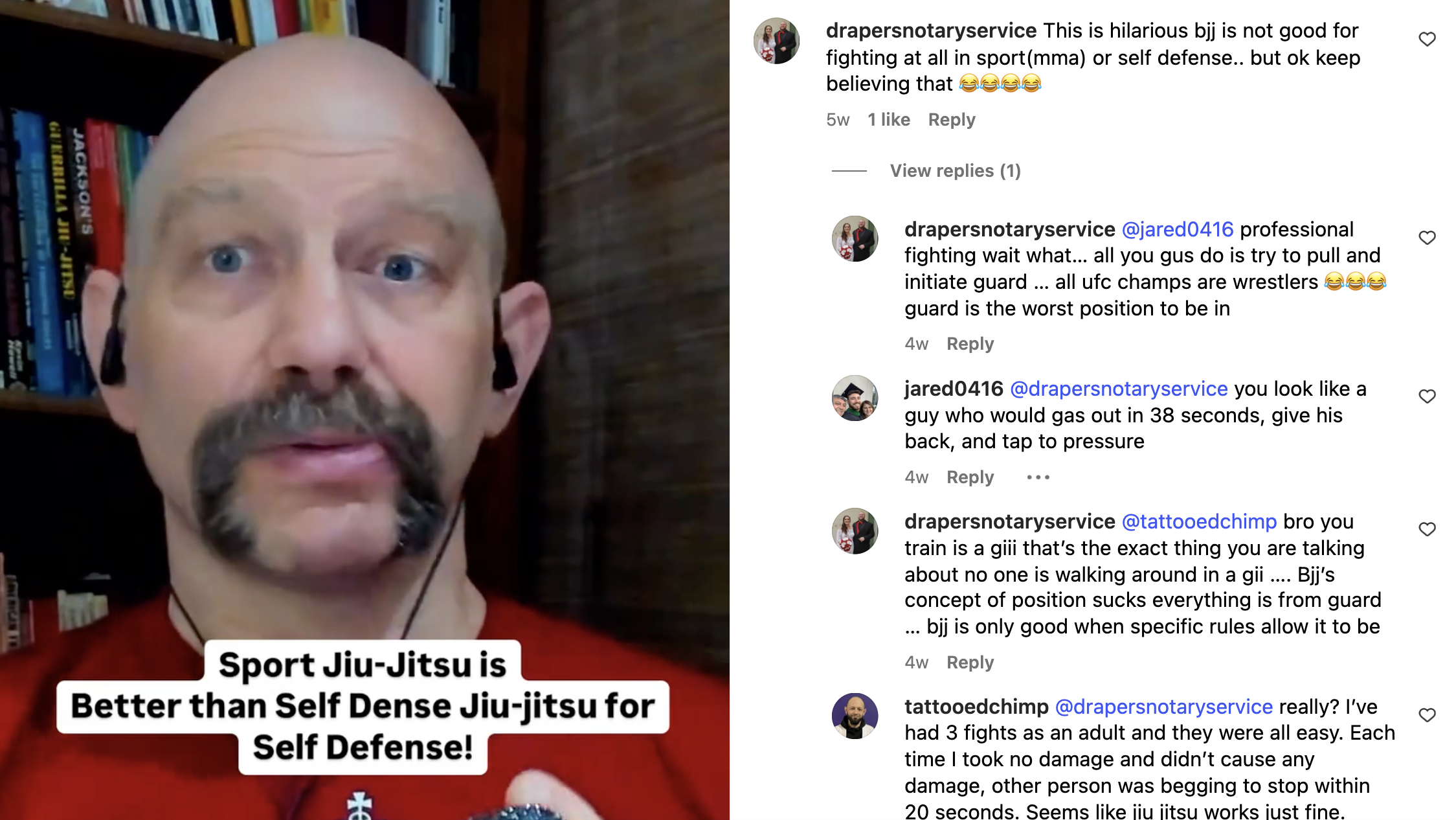
I completely agree with him, but not only that, I’m actually in the clip – I’m the guy with the glasses at the bottom of the screen.
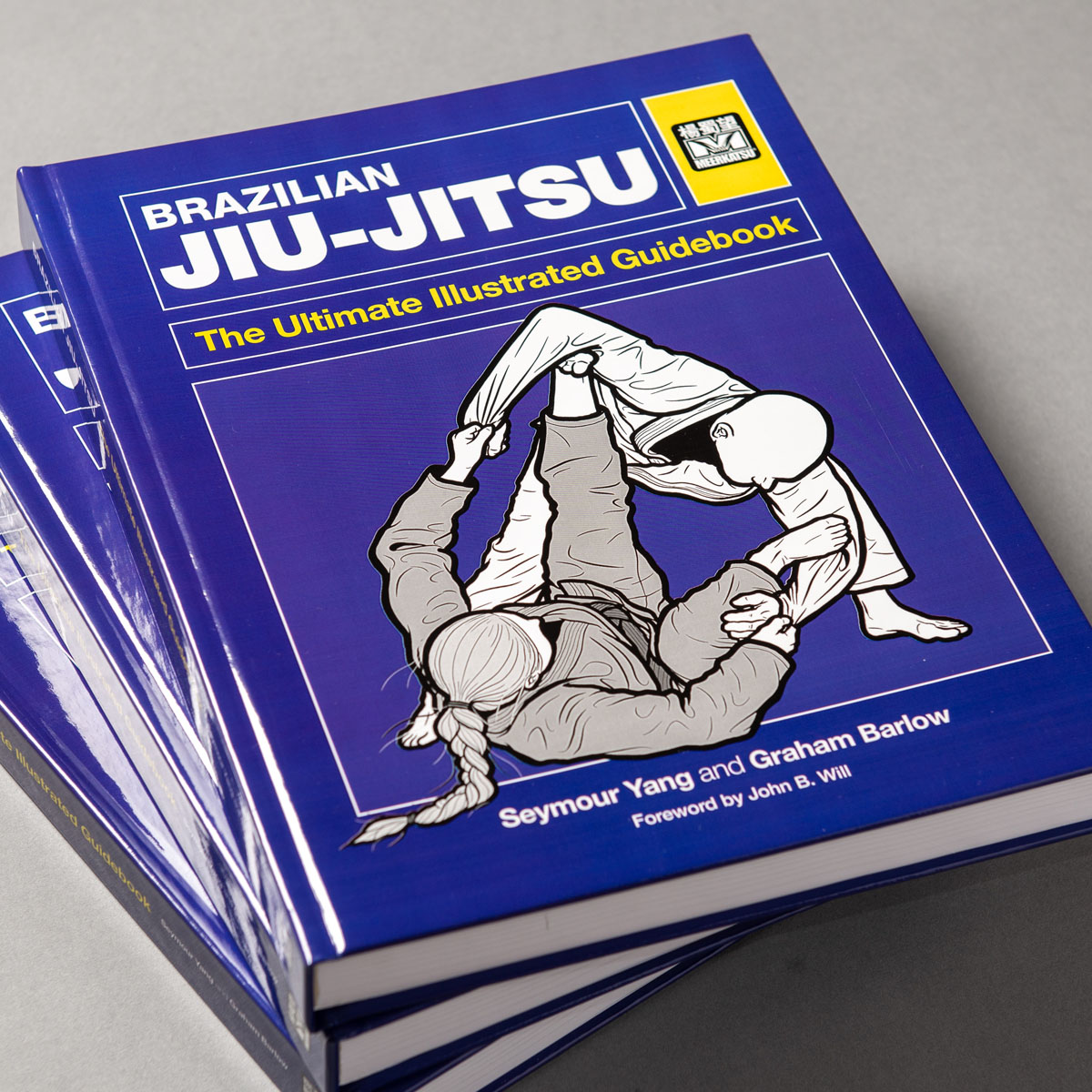
This clip was part of the longer podcast we recorded I recorded along with my writing partner Seymour Yang (Meerkatsu) with Stephan about our new BJJ book, which is currently being shipped out to people that brought the pre-order.
Incidentally, the book is not on sale anymore, that pre-order was a limited run, hard back, collectors edition. We’ll probably release a softback version in the future on a similar limited print run idea, but we haven’t decided for sure yet.
But back to the clip.
Obviously, because this is the Internet and people can’t read or listen to something without immediately copying and pasting their own opinions about what they think he said, or wrote. So, this clip caused a bit of a ruckus online, attracting comments such as:
“This is hilarious BJJ is not good for fighting at all in sport (MMA) or self defense.. but ok keep believing that “
“I don’t know not all fights end up on the ground right away. And no one’s is gonna wait for you to sit down and start fighting. My complaint with some of the sports jiujitsu has to be Takedowns, it’s like they forgot to do takedowns.”
Now on their own there is some merit to the points being made, however they don’t refer to what was actually being said by Stephan. Let me reframe his statement in the way that Bruce Lee used back in the 1970s with his article called “Liberate Yourself from Classical Karate”:
Stephan is saying that the spontaneity and natural reactions that ‘live’ training will develop is worth 100 times what you’ll learn by practicing ONLY dead forms.
That’s the point, not the applicability of BJJ to self defence or whether all fights end up on the ground. And obviously it’s not an either/or choice, and there’s a lot of grey area in regards to marital arts triaining, but that’s the crux of the matter
Bruce framed the argument around the idea of live, spontaneous training vs repeating dead forms. There are a lot of great quotes in the article by Bruce Lee, but here’s a couple I particularly like:
“It is conceivable that a long time ago a certain martial artist discovered some partial truth. During his lifetime, the man resisted the temptation to organize this partial truth, although this is a common tendency in a man’s search for security and certainty in life. After his death, his students took “his” hypotheses, “his” postulates, “his” method and turned them into law. “
“Prolonged repetitious drilling will certainly yield mechanical precision and security of that kind comes from any routine. However, it is exactly this kind of “selective” security or “crutch” which limits or blocks the total growth of a martial artist. In fact, quite a few practitioners develop such a liking for and dependence on their “crutch” that they can no longer walk without it. Thus, any special technique, however cleverly designed, is actually a hindrance.”
To me the argument that Stephan is making and the argument that Bruce is making are different aspects of the same thing. It’s the ‘learning to swim by never getting in the pool’ analogy all over again. You simply can’t learn to swim without getting wet, no matter how great your theory of swimming may be.
We would all laugh in the face of a theoretical swimmer who only ever practices on dry land and yet we tend to revere the opinions of the theoretical martial artist far too strongly, especially if they have a cool uniform and a black belt with lots of stripes on it.
Personally, I find that the less I practice sparring in a week the stronger the need for coming up with solutions for theoretical situations becomes in my mind. The more actual resistive sparring I engage in, the less my mind craves these sorts of questions. Instead, I’ve actually got something useful to be thinking about, like how I would do a technique from that last round better, or how I would escape a particular situation that actually happened, next time.
Just imagine if you haven’t done any actual sparring for years. There are plenty of ‘martial artists’ like this. Their heads must be full of theoretical knowledge, most of which probably wouldn’t survive an encounter with reality. And all of which can be silenced with just a few seconds of actual sparring practice.
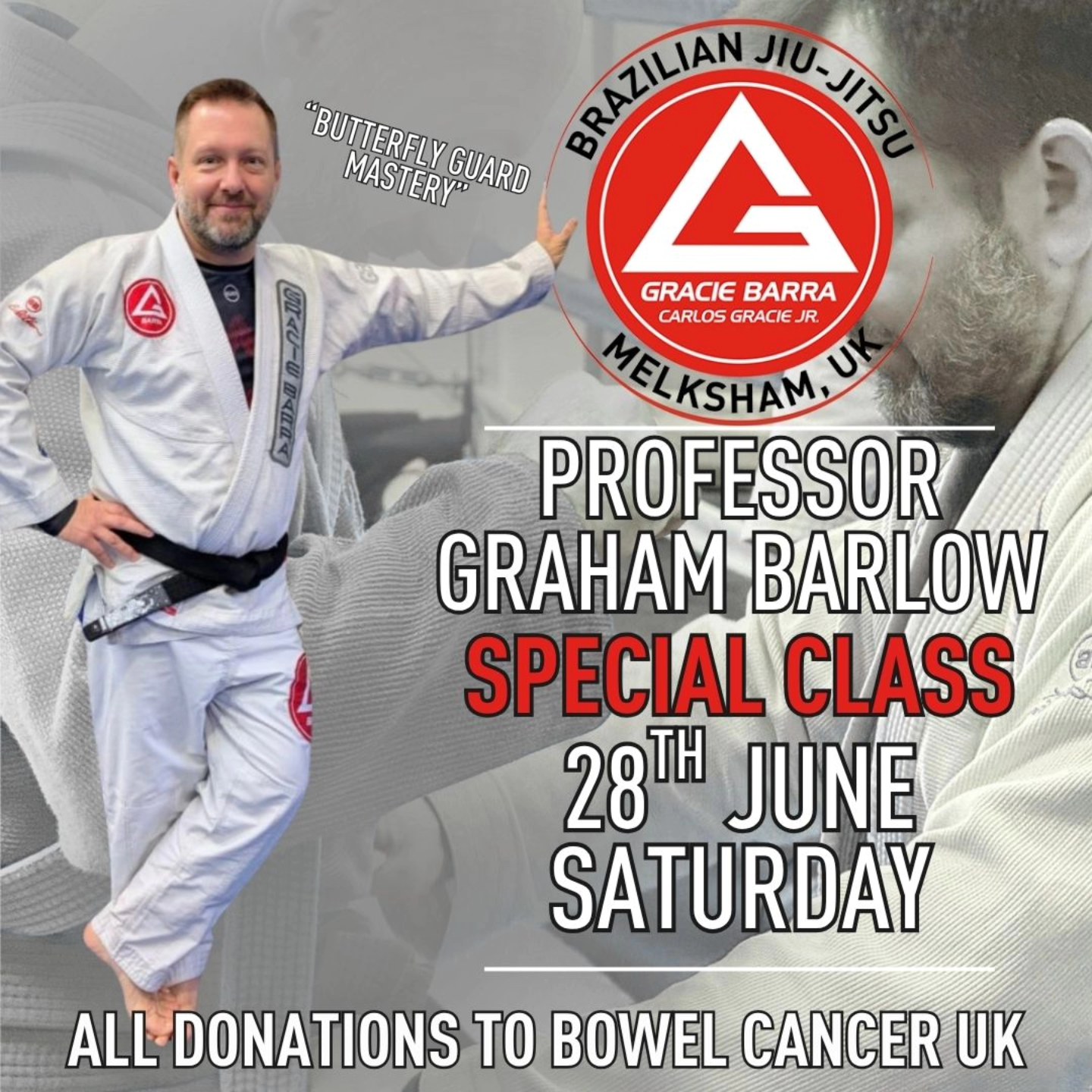
I lost my mum to bowel cancer in May this year. In her memory I’m doing a special class on one of my favourite BJJ topics, butterfly guard, to raise money for Bowel Cancer UK. It’s on 28 June at Gracie Barra Melksham, UK, 12.00pm. All welcome.
This event is in support of @bowelcanceruk and all donations @justgiving link or in person at reception will be donated in total to Bowel Cancer UK.
I wanted to share the process and journey of how Seymour Yang and I made our new Brazilian Jiu-Jitsu book.
First of all it’s worth noting we are both black belt instructors with many years of teaching experience. The book is aimed at beginners to developing white and blue belts and covers everything we felt was useful and relevant in today’s Jiu-jitsu club environment.
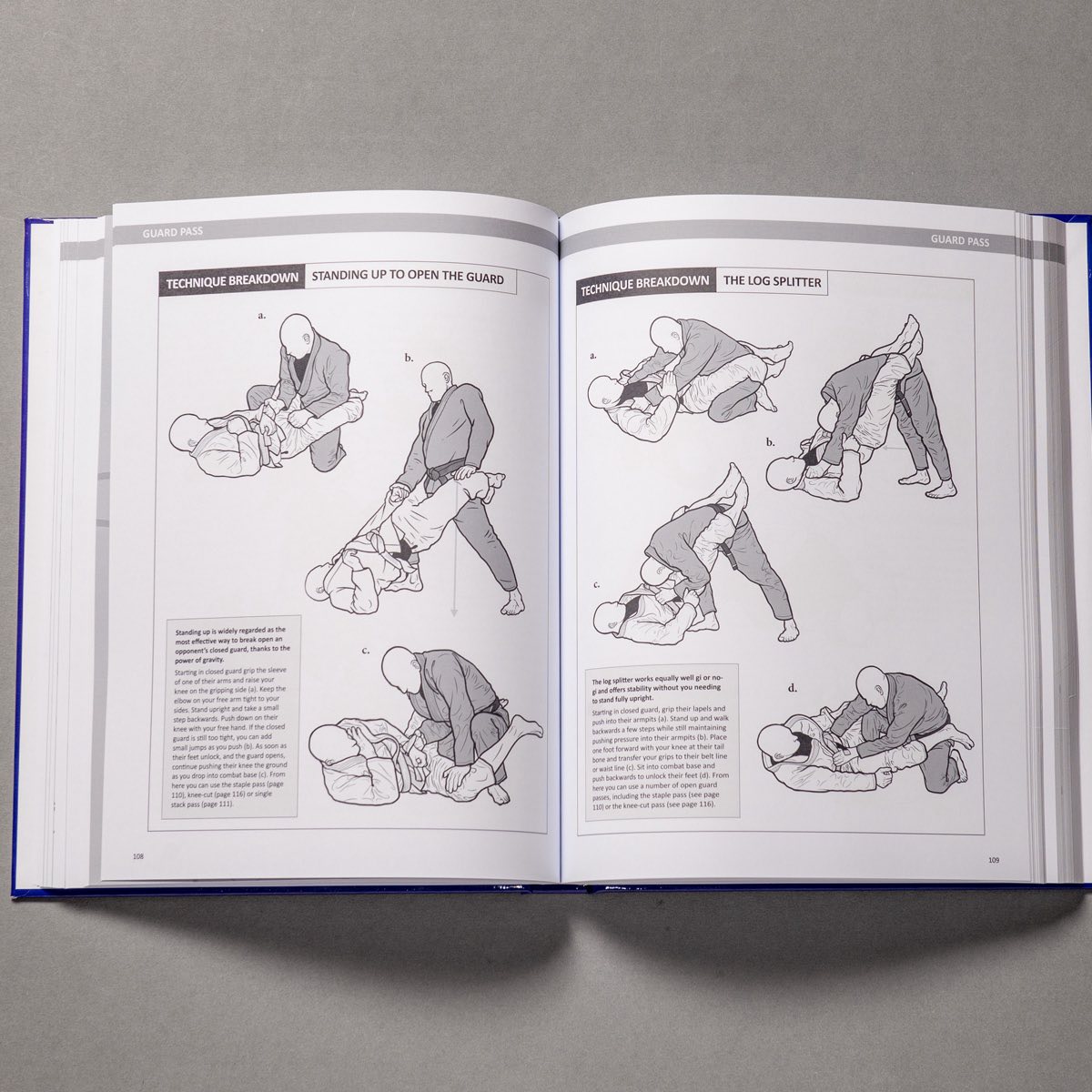
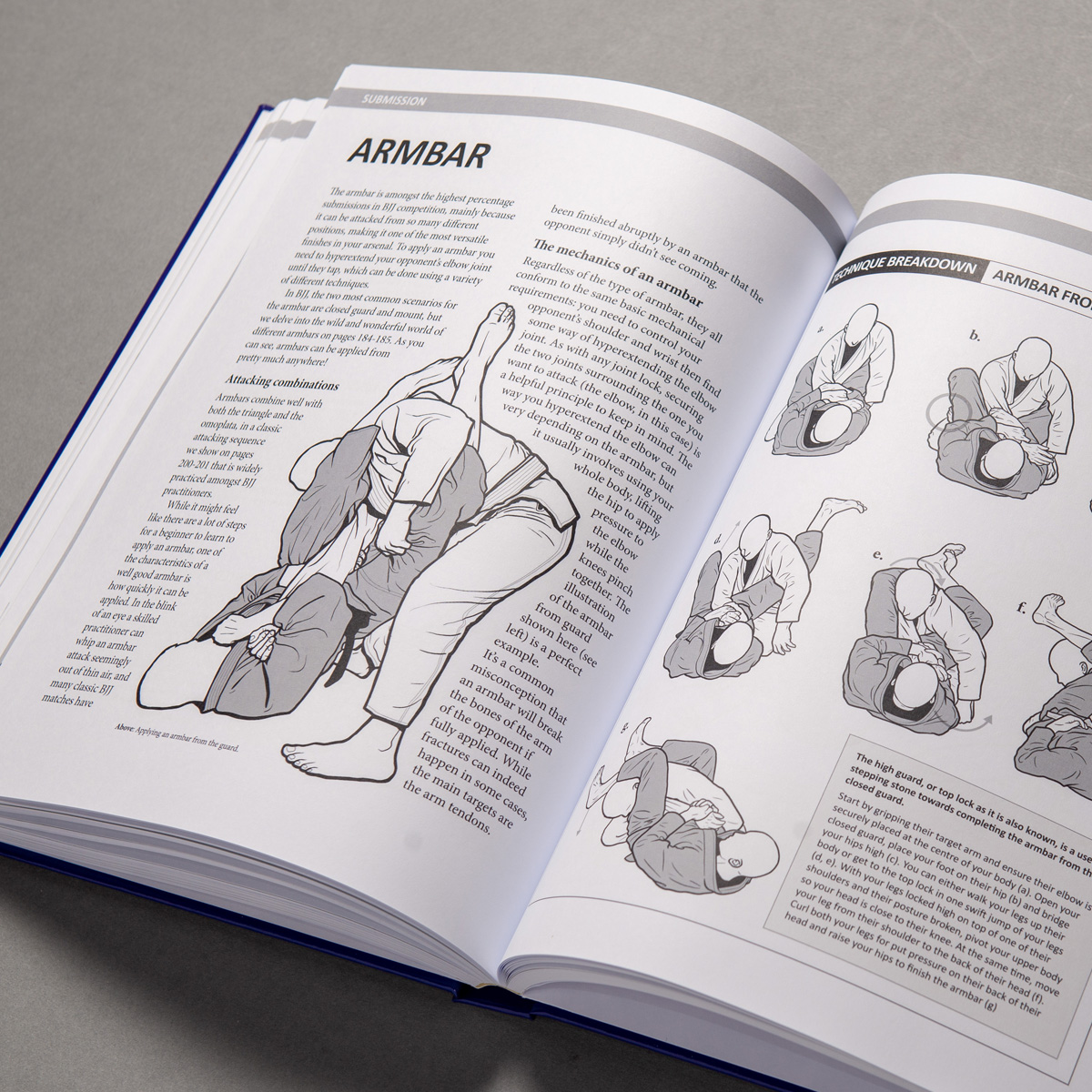
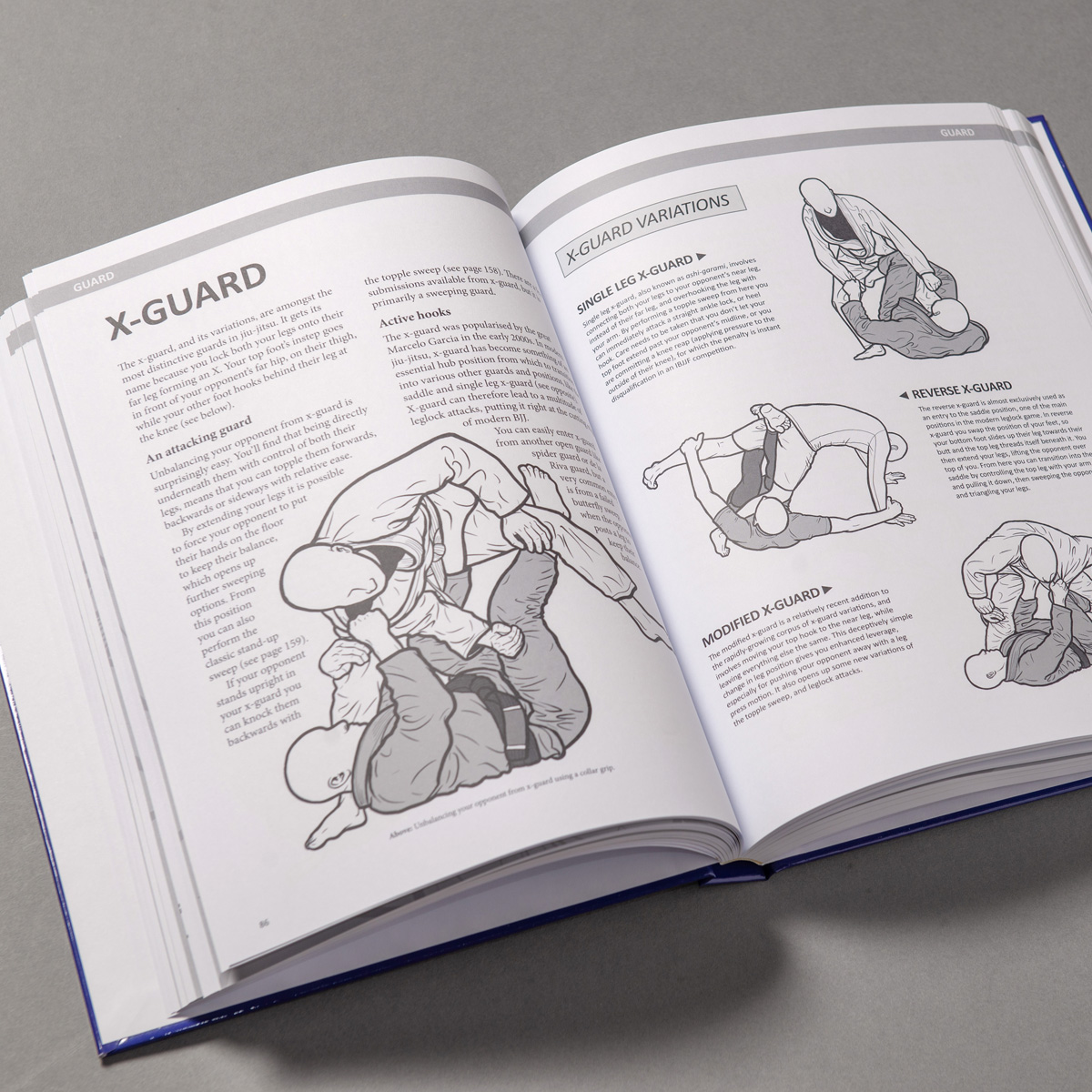
After much time planning and researching we then set about creating the contents. Every illustration is based on a photograph or video still that we took of our students or training partners. These stills Seymour used as references to hand draw the line art images. I then wrote the text.
That was just the beginning. The hardest stage was making sure the book was as accurate and tight as possible as a work of reference. For this we spent a long time proofing, editing and redesigning it. We then tested sample after sample from independent book printing companies to find the best one (we did not want to go the Amazon print on demand route)
I’m proud to say the book is finally available for our followers to buy (as a pre-order) and so far it’s proving very popular.
We decided to make it a pre-order as we just didn’t know quite how many to print in advance. A two week window was decided and after the pre-order window closes (June 11) we can then tell the print house how many to make.
If you want to know even more about how we made it then check out this informal 2 hour (2 hour!) video where we chat about making the book (it will be released in a more thoroughly edited audio-only version as an episode of my Tai Chi Notebook podcast shortly):
My new book Brazilian Jiu-Jitsu, the Ultimate Illustrated Guide, co-authored with Seymour Yang is now available to order from Meerkatsu.com!
This is a self-published limited-edition print run. It’s a gorgeously-printed hardback edition. At over 260 pages, with 970+ beautiful illustrations this is the ultimate coffee table BJJ book, but it doesn’t just look good, it’s designed to teach you the techniques of BJJ.
We’ve got all our favourite BJJ moves from basic movements, standing techniques, sweeps, guard, guard passing, submissions and escapes. There’s also a section on the history of BJJ and lots of advice on training, strategy, concepts and principles of the art.
Shipping shouldn’t be too expensive either. Remember, this is a limited edition run and when they’re gone, they’re gone! Get yours today at Meerkatsu.com
 The Tai Chi Notebook