Doing both BJJ and Tai Chi I love seeing moves from one art crop up in the other. Imagine my surprise when I happened across this BJJ seminar clip where the coach seems to be cycling unawares through a variety of Tai Chi moves.
At one point he says that one of the moves looks like “some karate bullshit that looks silly but works”, which is funny because you could describe Tai Chi like that as well 🙂
If you do Tai Chi or Bagua or pretty much any long fist style Chinese martial art, or probably Aikido, you’ll recognise these moves. I’ll give them Tai Chi names:
Breakdown
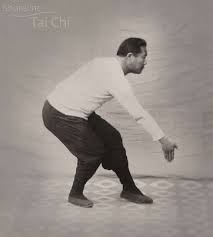
It starts with a grip break, that is similar to Hidden Hand Punch from Chen style (0.00- 4.00) The first technique from here is like Needle at Sea Bottom (4.17- 6.15) The second is like Diagonal Flying (6.15 – 9.20)
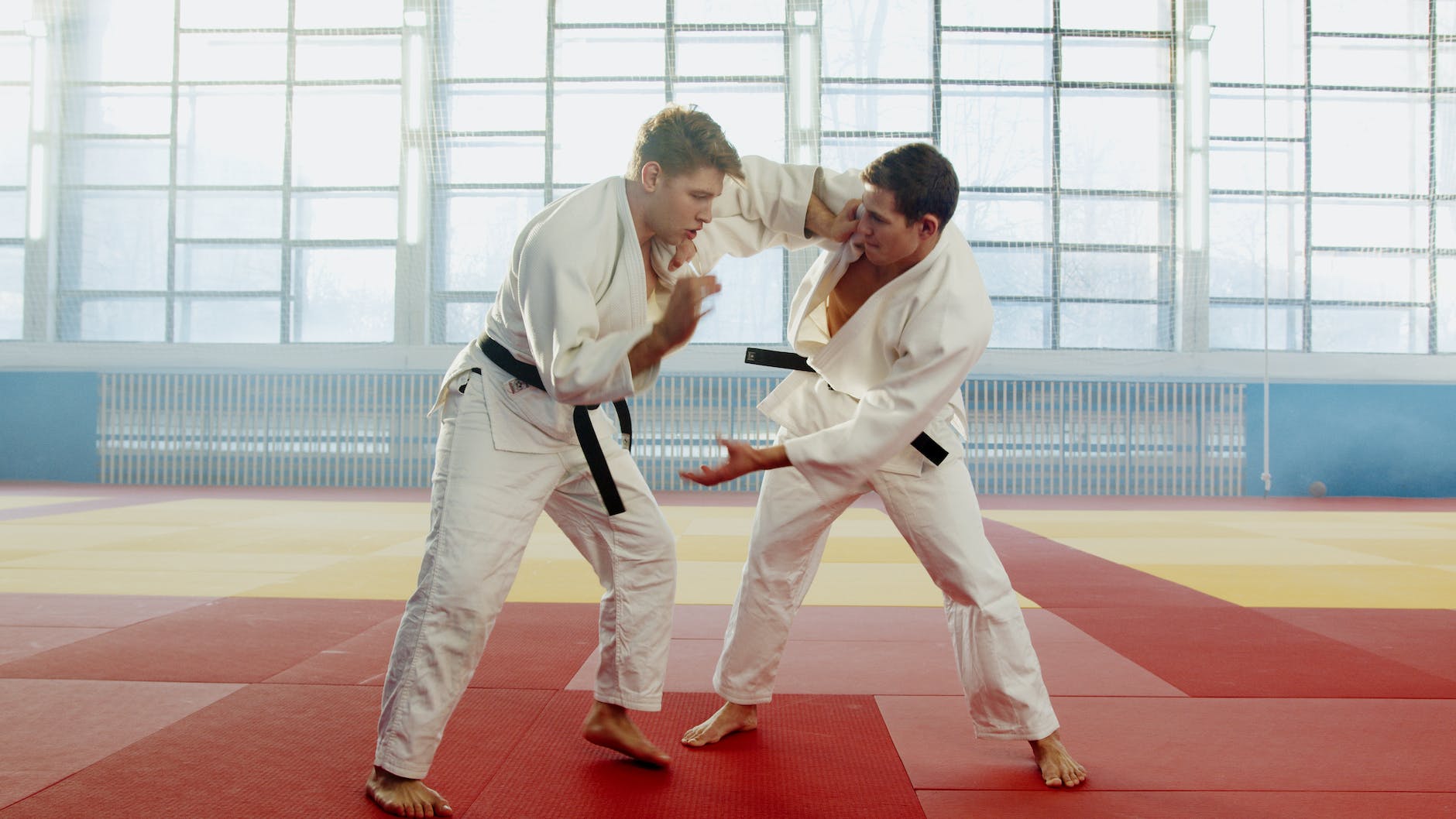
After that it becomes more traditional wrestling/judo takedowns, but it was nice to see some Tai Chi appearing fora minute there.
While the rest of the video is much more of the usual jiu-jitsu fair, the initial positions have a strong similarity to Tai Chi moves, and could definitely help Tai Chi practitioners become more aware to the martial potential of Needle at Sea Bottom and Diagonal Flying.
I came across an interesting video by Ed Hines of i-Bagua.com recently that discussed some general principles of throws and takedowns. There is some good information here, especially about dead angles, and base. Have a watch:
Of course, in my ear I can hear my BJJ friend saying it’s all nonsense, “why not just do wrestling?”, or “he’s doing zero hand fighting!”. My friend tends to think that everything you can know, or ever want to know, about throwing and standup grappling is already inside wrestling.
He probably has a point, and a lot of the clever ‘internal’ things that Tai Chi teachers demonstrate are really just found in wrestling basics, or are obvious if you do wrestling. But here’s the thing – not everybody wants to do wrestling or even can do wrestling! It’s time-intensive hard, physical work, from which you will probably get injured, and, frankly, it’s for young people, not anybody over the age of 30. Not to mention that you’ll also need to invest in a good quality BJJ mat for grappling training.
If you’re going to approach takedowns without having the time or energy required to learn wrestling, then you’re going to need a softer approach. Oh, hello internal arts.
How to defend everything
I wonder if you’ve ever seen the video “how to defend everything” by Chris Paines on YouTube? (It won’t embed, so I’ve had to link it). It’s about BJJ, not internal arts, and focused ground work, not standing, but those principles he’s expounding, I feel, are universal to all grappling, and they’ve really changed my approach to takedowns. It’s also very simple. Simple is good – simple is practical.
At 50 minutes it’s quite a long video, and some of the important points don’t happen until near the end, so I’ll give you a quick summary: In a nutshell, there are 5 parts of the human body that you need to access in at least one place to achieve a throw or takedown.
Part 1. Back of the head, Parts 2-3. Armpits and Parts 4-5. Back of the knees.
(back of knee area extends down to ankle, armpit area extends down to hip).
When I do takedowns I just keep looking to insert a part of my body (arm/hand/foot/head/whatever) into one of those places. I just keep spamming it as an attack. If you keep doing that then eventually you manage to ‘own’ one of those places and a takedown will sort of present itself, especially if you get more than one.
You can analyse any throw on YouTube and you’ll find that the person who did the throw got some part of their body into at least one of those places to make it happen. Now, that might mean that the model being used is too general (i.e. it covers a lot of the body!), however, I think it’s still a useful model if you want to work on defence (which people rarely do!)
If you’re doing some grappling and you get taken down, then replay what happened in your mind – you will have let your opponent into one of the 5 spaces for too long. Long enough for them to get a takedown on you. The answer to preventing the takedown then becomes about reclaiming control over those 5 points of your body, rather than trying to do some sort of pre-scripted counter to the throw.
N.B. You can look at standing on the foot as a possible exception to these rules, however… that doesn’t tend to work in a pure grappling environment, unless you also get one of the other 5 as well. Standing on a foot and striking somebody however is a different beast – it’s much more effective. It’s the same with standing wrist locks… they can work, but 9 times out of 10 they won’t – i.e. they are very low percentage, and almost certainly don’t work against experienced people. Your time is better spent trying to get one of the 5 control points. (Apologies to Aikido 🙂 )
N.B. 2 – But what about the gi or wrestling jacket? Well, think of it this way, a collar grip is simply a very effective lever to the under armpit area, so when you grip the collar, you are effectively cheating because it’s giving you easy access to their armpit area. It’s why, when we go for chokes we grip deep on the collar, under the ear, but when we go for throws we tend to grip much lower down, so that the lever to the armpit is stronger.
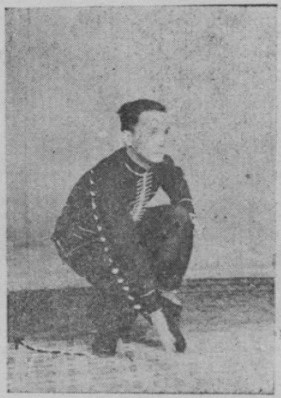
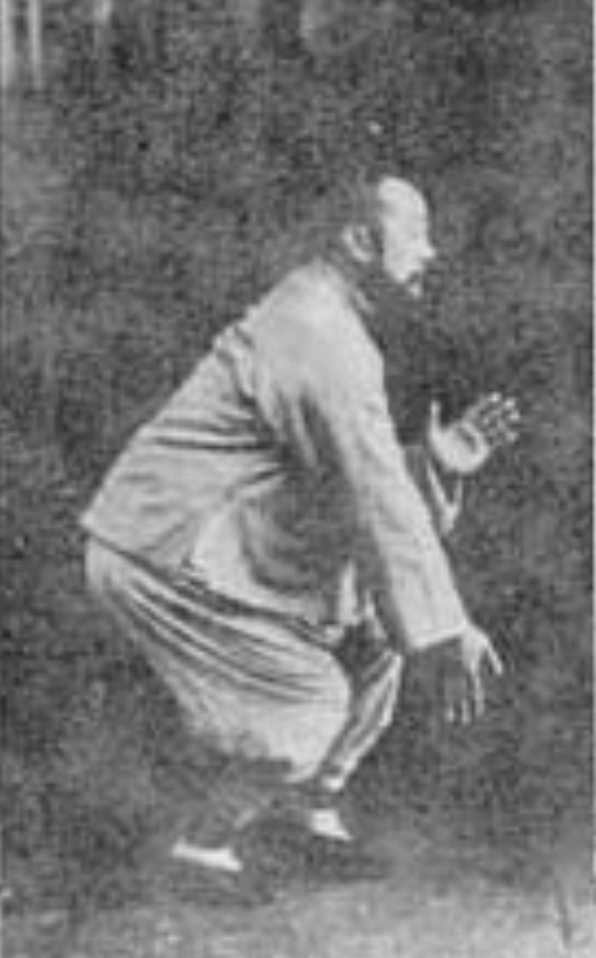
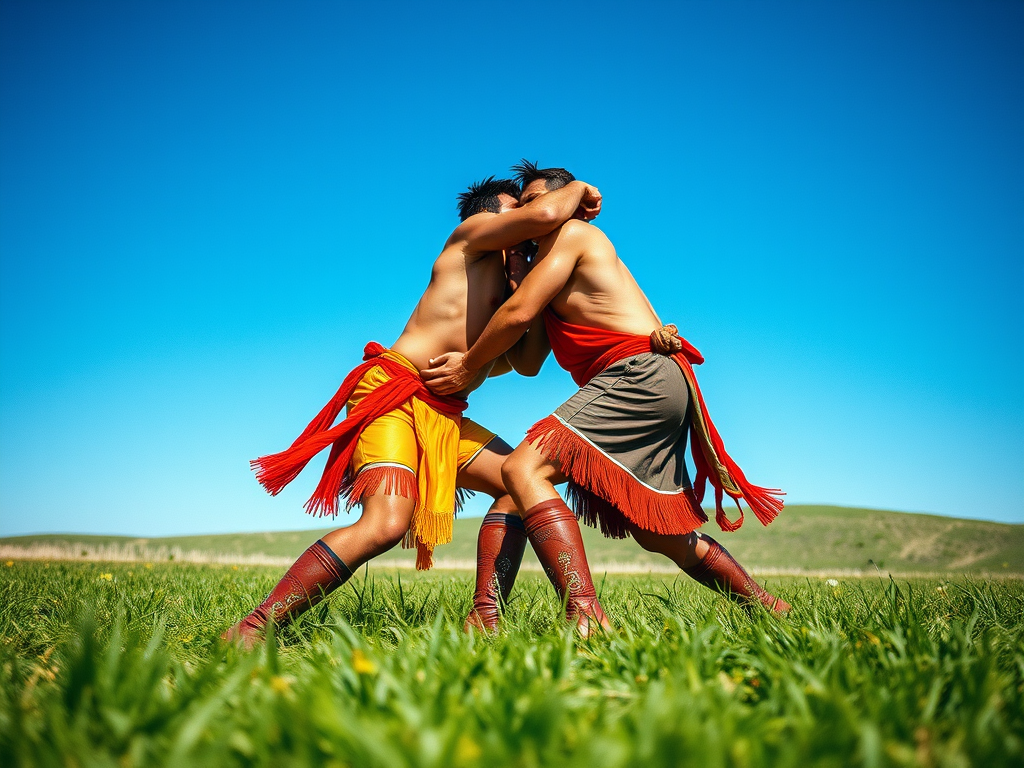
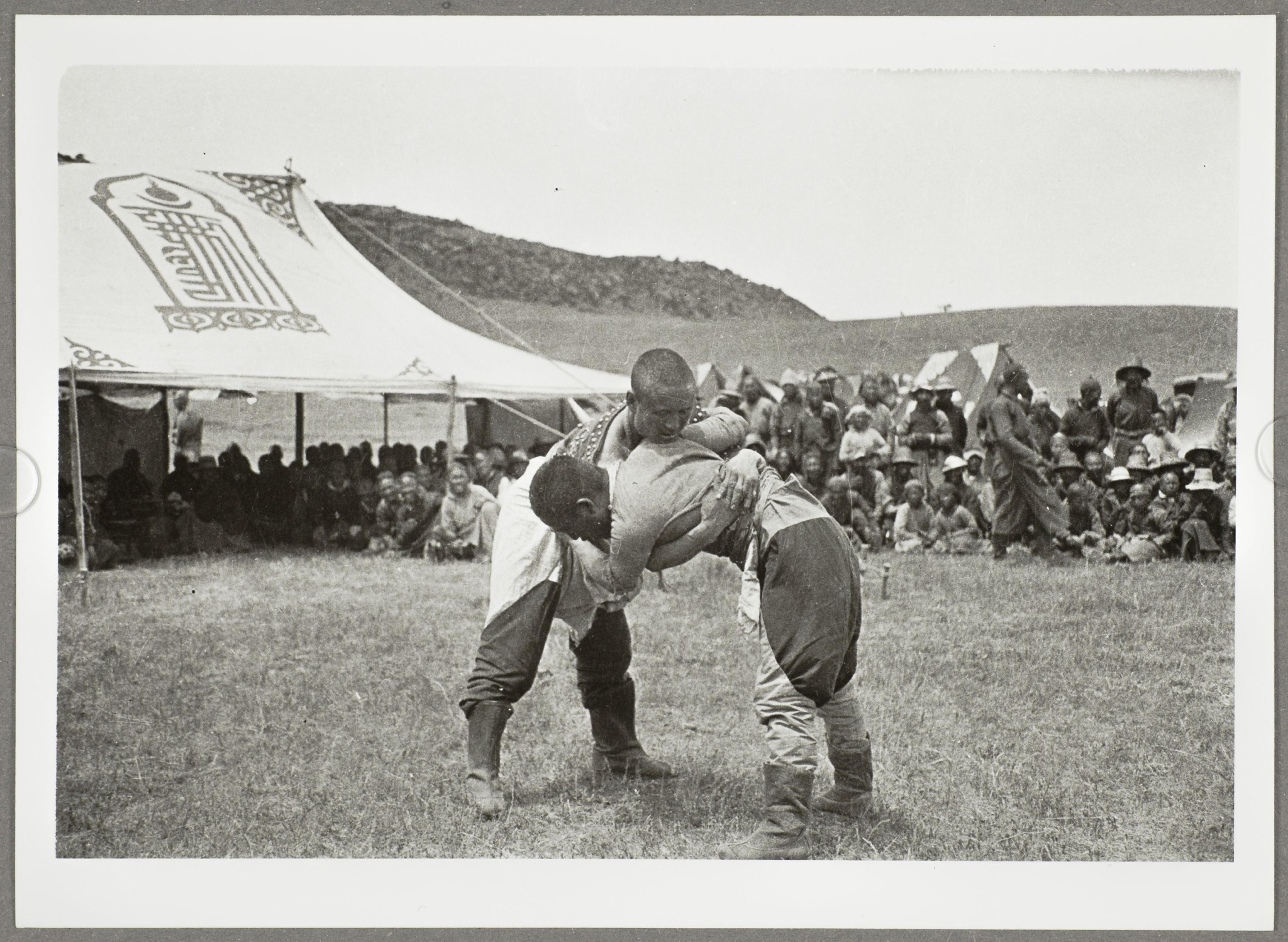
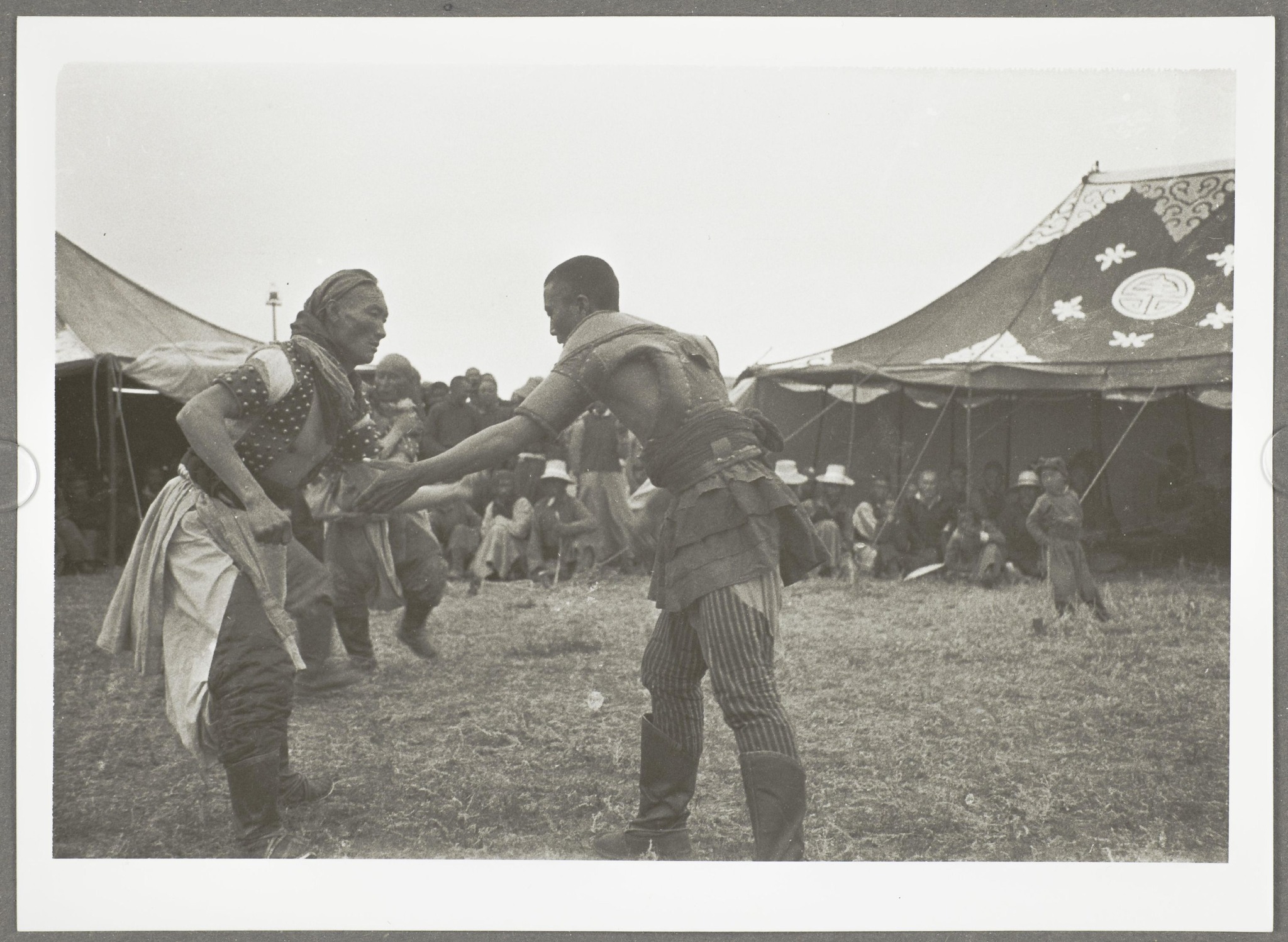
Byron Jacobs of Mushin Martial Culture recently posted some pictures, from his private collection, of wrestlers (and one of archery) on the grasslands from the late Ching Dynasty. They’re fascinating insights into what wrestling looked like at the time, and what clothing was worn. He’s given me permission to post them.
(Image credit: Byron Jacobs)
Byron has produced extensive research into the origins of Shuai Jiao (Chinese wrestling) which all points to it actually being an adaptation of Mongolian wrestling, and not a separate style with any sort of genuine history of its own.
Occasionally, I get questions and this one was a good one, so I thought I’d post my answer here. The question was: Is Judo or BJJ a better compliment to Taijiquan?
“It’s an interesting question! BJJ has less rules about what you aren’t allowed to do, and is therefore closer to self defence, but it depends on the school you go to – Judo is pretty much the same everywhere you go. I’d say both are good. My personal preference is for BJJ because it isn’t as hard on the body and I prefer ground work to throws. If you’re more interested in throws then do Judo.
If you want something that is Chinese, then Shuai Jiao would be a good compliment to Taijiquan, however, it’s hard to find outside of China. There are some online courses available.
But I think my real answer is that it’s not the art that matters, it’s the teacher. Find a teacher you like who is skillful at something, and learn whatever they have to teach you is my advice. I think in the long run that matters more than what art you choose.”
You know those wooden toys that have cutouts of shapes and a hammer for the kids to bang the right shape into the right hole? Square, circle, star, that sort of thing.
Martial arts techniques are a lot like that. You can have the best technique in the world, but if you’re doing it at the wrong time it’s like trying to hammer the wrong shape into the wrong hole. It ‘ain’t going to work not matter how hard you try…
Throws are a really good example of this. Throws work best when you try and throw the person in the direction they are already going. For example, if a person is basing backwards (moving their weight to their heels and sinking down) then it’s going to be really tough to throw them forward with say, a hip throw. Of course, if you’re a lot heavier and bigger than your opponent then it becomes possible, but we want good technique here. Good technique would be to take them backwards with some sort of inside trip.
Video: A simple wrestling chain that exemplifies the principle.
In internal martial arts we call that ability to sense where the other person’s weight and direction is going ‘sensitivity’. A lot of times people in wrestling and throwing arts don’t train sensitivity as a separate quality, you just kind of pick it up as you go through drills or live sparring against real resisting people. In martial arts like Tai Chi you can spend a lot of time specifically training sensitivity where it’s called ting jin – to listen. I’m pretty sure I used to think that the more intellectual Tai Chi approach was superior, but now I’m not so sure. If you naturally acquire sensitivity over long periods of time through resistant sparring then you kind of own it in an authentic way. It’s yours. You worked for it and its real. I’m not saying you can’t get that through the push hands approach, but the problem with shortcuts is that they’re exactly that – a shortcut. Something is always missing. You need to put in the hard physical miles in if you want to get something tangible in marital arts. I’m not sure there are really shortcut to some of these things.
My martial arts mentor Damon Smith, who I do the Heretics podcast with, often says there is no such thing as good technique, there is only appropriate technique. He’s talking about banging the right shape into the right hole at the right time.
Our new podcast is out! I talk warriorship with the esteemed Matthew Kreuger of the Walking with the Tengu podcast, as part of the #warriorshipconversing project started by Kung Fu Conversations podcast. We also talk about Shuai Jiao, Iaido, BJJ and professional wrestling. You’ll find us on iTunes and Spotify. Search for The Tai Chi Notebook podcast. Enjoy!
There have not been many updates to the blog recently, but don’t worry, I’ve been busy working hard behind the scenes. I’ve just recorded a great conversation with Matthew Kreuger of the Walking with the Tengu podcast. “A podcast exploring classic writings as they relate to the modern martial artist.” We covered all sorts of topics including warriorship, philosophy and of course, martial arts. Matthew is going to be my guest on the next episode of the Tai Chi Notebook podcast, so look out for that, coming sometime in October.
One of the things we talked about was how Matthew has integrated Shuai Jiao throwing techniques into the standup component of his Brazilian Jiujitsu training. This is a really interesting approach, as you typically see BJJ integrated with wrestling or Judo, but mixing it with the stand up Chinese jacket wrestling style is not something I’ve seen before.
Shuai Jiao contains a lot of solo exercises for conditioning the body, and my ears pricked up when Matthew said that these exercises had really helped him with a back injury that had dogged his training.
Matthew has been a studying from the online school of Sonny Mannon, co-founder & Head Trainer for Guang Wu Shuai Jiao. I looked him up and found this basic introduction to Shuai Jiao warm up exercises video that he did in 2020.
Having just followed along these exercises I can see how they benefit the waist, core and lower back area. But also the flexibility in the legs – my hamstrings and calf muscles were particularly stiff the day after! That video follows on into this one, which is about ‘belt cracking’.
Belt cracking is less about stretching and more about developing that explosive shake that you see in a lot of Chinese martial arts, sometimes called Fa Jin. It’s interesting stuff, but in Shuai Jiao you’re generally not trying to hit with it, you’re using it to disrupt the opponent’s structure to create openings. You can see some applications of it on Sonny’s Instagram account:





 The Tai Chi Notebook